


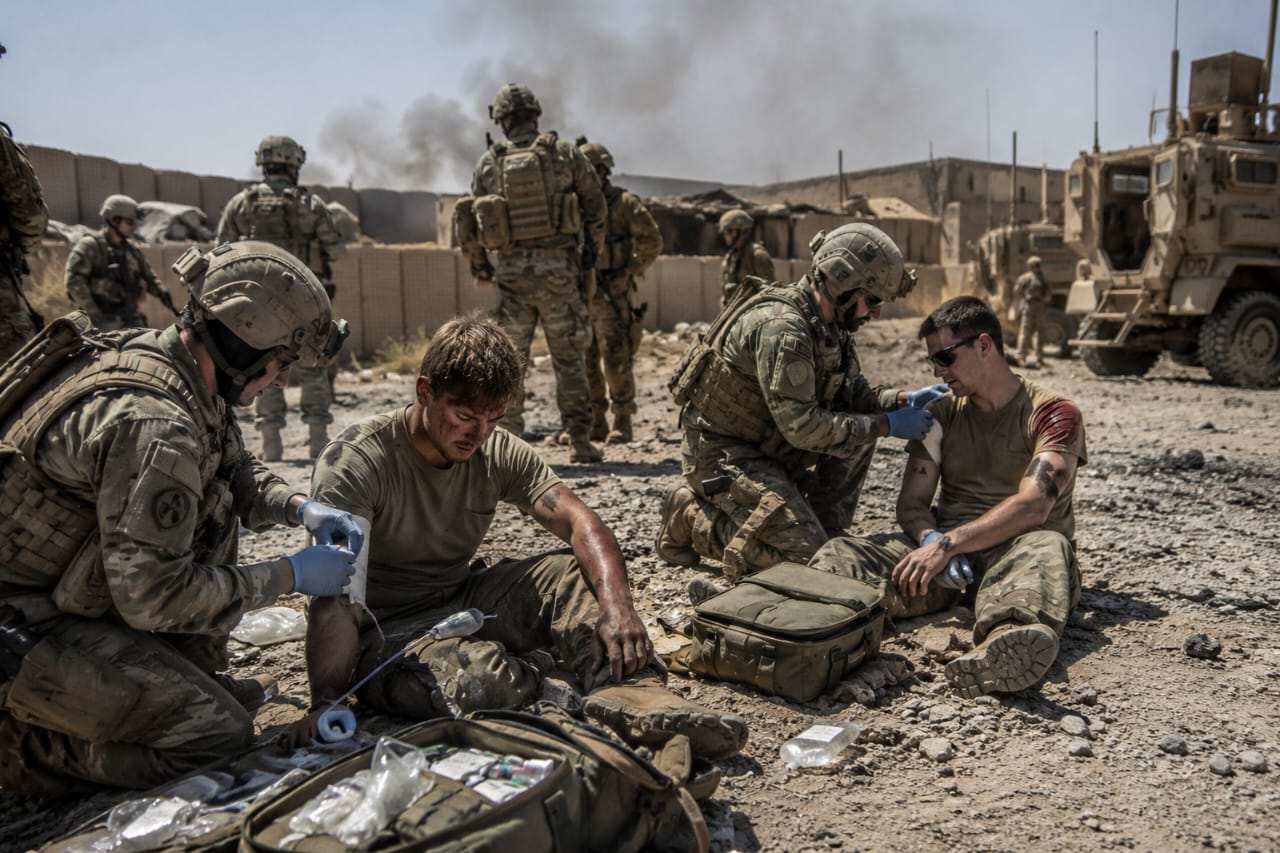
Soldiers say the impact of the strike was more serious than early statements suggested
WASHINGTON, June 24: Several US soldiers injured in a drone attack linked to Iran-backed groups have questioned official assessments of the incident, arguing that initial statements failed to reflect the seriousness of their injuries. The development has sparked renewed debate over how military authorities evaluate and communicate the consequences of attacks on service members.
The controversy emerged after some injured personnel publicly expressed concerns about comments made following the strike. According to reports, the soldiers believe the long-term effects of their injuries deserve greater recognition and attention.
Troops Voice Their Concerns
The affected soldiers say the attack left lasting physical and emotional impacts. Moreover, some have argued that early descriptions of the injuries did not fully capture the challenges they faced during recovery.
Their statements have drawn attention from lawmakers, veterans’ groups, and military observers. As a result, discussions about transparency and accountability within military reporting have intensified.
Debate Over Injury Assessments
Military officials often rely on medical evaluations conducted shortly after incidents occur. However, experts note that certain injuries, particularly those involving traumatic brain injuries, may take time to fully assess.
Furthermore, healthcare specialists emphasize that symptoms can evolve over weeks or even months. For this reason, many experts support ongoing medical monitoring for personnel exposed to combat-related incidents.
Broader Questions About Military Transparency
The latest controversy has also raised questions about communication between military leadership and service members. Supporters of the injured troops argue that accurate reporting plays a critical role in ensuring appropriate care and public understanding.
In addition, veterans’ advocates have called for continued reviews of how injury assessments are conducted and communicated following military operations.
Regional Tensions Remain in Focus
Meanwhile, tensions involving Iran-backed groups continue to attract international attention. Security analysts say attacks targeting military personnel often carry broader geopolitical implications and can influence regional stability.
Consequently, governments and defence agencies continue to monitor developments closely while assessing potential security risks.
Attention Turns to Accountability and Support
Officials have not indicated any immediate changes to existing assessment procedures. Nevertheless, the public comments from injured soldiers have generated fresh discussion about how armed forces support personnel after combat-related incidents.
As debate continues, many observers believe the focus should remain on ensuring that injured service members receive proper medical care, recognition, and long-term support.