


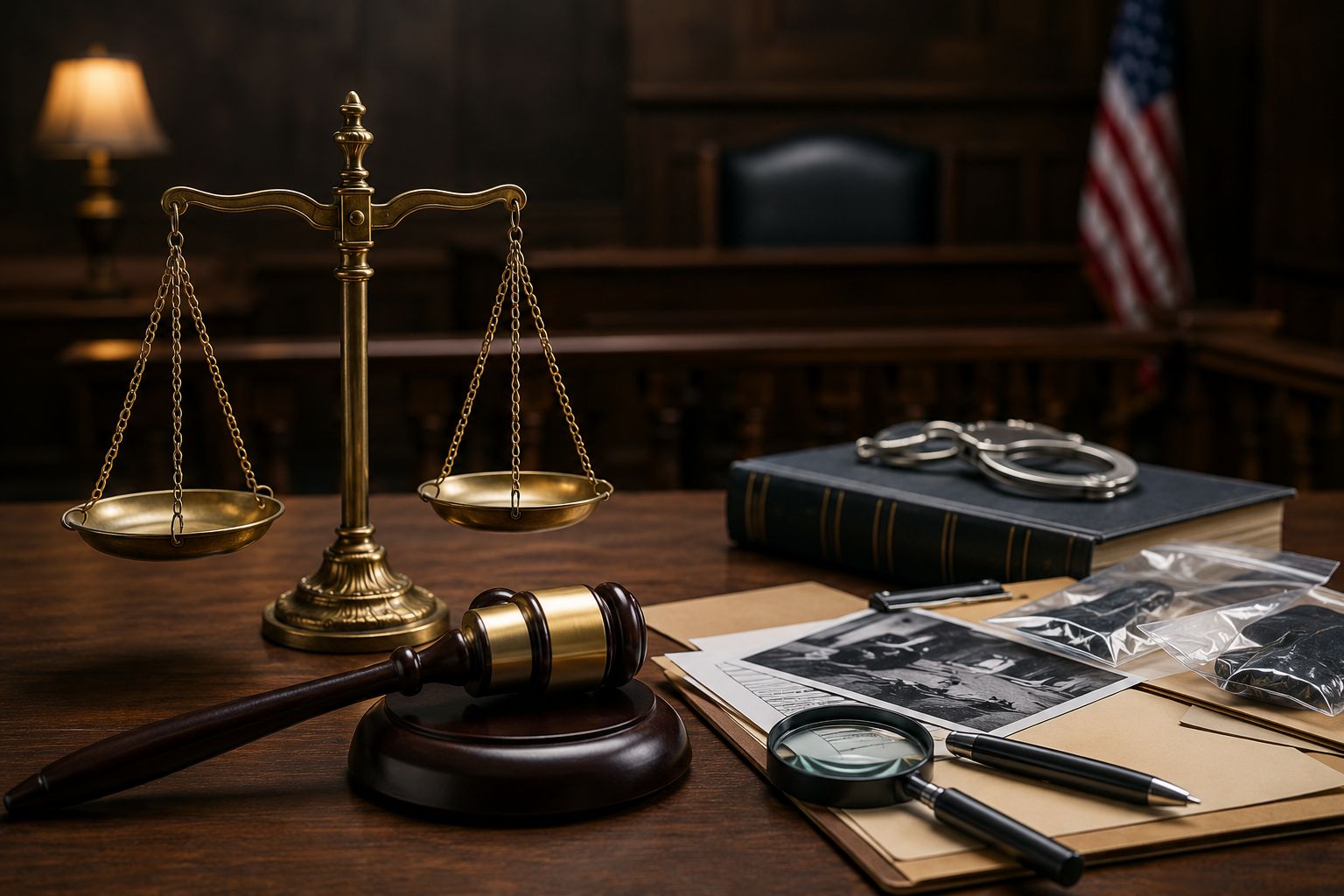
Introduction
In criminal investigations, justice is of paramount importance and one of the most significant principles of any legal system. A criminal investigation has two goals; first, to determine what happened and second, to ensure that decisions are made with facts and evidence and fair procedures. Justice serves a protective purpose not only for society, but also for individual rights.
The crime investigation process can be a serious event that impacts victims, families and communities. Fairness, accuracy and accountability becomes essential throughout this process, therefore.
Understanding Justice in Criminal Investigations
Criminal Investigative Justice is the pursuit of the truth in a legal and ethical way. Investigator makes an effort to gather evidence, look at information and learn what happened without assuming.
A fair investigation has a neutral and fact-based approach and is not driven by public pressure, feelings or views. This serves as a step in building confidence in the justice system.
Safeguarding the rights of all parties.
That’s one aspect of justice; protection of legal rights. The impact of criminal investigations can impact numerous individuals including victims, witnesses, family members and the individuals involved in the investigation.
Fair procedures contribute to:
Evidence is dealt with appropriately
Respect is accorded to people
The law is adhered to.
* decisions are based on factual information
Confidence in the justice process is enhanced by protecting rights.
The Role of Evidence
One of the pillars of justice is evidence. Investigators use information they gather in ways that are approved to help them understand things correctly.
Evidence may include:
* Physical evidence
* Witness statements
* Digital records
* Scientific analysis
* Documentation and timelines
Clear proof helps to minimise errors and ensures just results.
Fair Investigations Matter:
Justice is served and proper investigation helps to avoid wrong decisions. It is important to take in all the facts when making a justice decision.
Investigations conducted in line with professional practices build public confidence in legal processes and instill confidence in the public.
Why Transparency?
Transparency increases the trust of the people in the legal systems. Having clearly defined procedures and appropriate documentation facilitates the demonstration of responsible investigations.
Transparency does not mean “all information is public”, it means accountability and adherence to laws.
The Impact on Society
In criminal investigations, justice impacts whole communities. Community members may feel more secure and trust in institutions if investigations are perceived as being conducted fairly.
Effective justice systems also contribute to social peace and the rule of law in the longer term.
Challenges in Achieving Justice
There may be incomplete information, conflicting information, time pressures, and complex information.
To tackle these challenges requires:
* Professional training
* Careful documentation
* Scientific methods
* Ethical standards
* Legal oversight
Conclusion
Every case of a crime is centered on the concept of justice. It helps to ensure investigations are fair, evidence and respect legal rights. Justice promotes public safety and public trust in the system through truth, accountability and the right procedures.
A sound justice process is not only about the outcomes, it is about the process being fair, responsible and trustworthy.