

Introduction
Digital payments have transformed the way people in India handle money. From purchasing groceries and paying utility bills to booking tickets and transferring funds, digital payment systems have made financial transactions faster, easier, and more secure. With the rapid growth of smartphones, internet connectivity, and digital banking services, India has become one of the world’s leading digital payment markets.
The government’s push toward a digital economy, along with the increasing adoption of mobile payment applications and online banking, has encouraged millions of people to shift from cash transactions to digital payments. Today, digital payment methods are widely used by individuals, businesses, and government organizations across the country.
What Are Digital Payments?
Digital payments are financial transactions made electronically without using physical cash. Money is transferred through digital platforms such as mobile applications, internet banking, debit cards, credit cards, QR codes, and digital wallets.
These payment methods allow users to send and receive money instantly using smartphones, computers, or other internet-enabled devices.
Growth of Digital Payments in India
India has experienced remarkable growth in digital payments over the last decade. Affordable smartphones, low-cost internet services, and increasing digital awareness have encouraged people to adopt online payment methods.
The expansion of banking services into rural areas and improvements in digital infrastructure have also played an important role in making electronic payments accessible to millions of citizens.
Benefits of Digital Payments
Convenience
One of the biggest advantages of digital payments is convenience. People can make payments anytime and from anywhere without visiting a bank or carrying cash. Whether paying electricity bills, shopping online, or sending money to family members, transactions can be completed within seconds.
Faster Transactions
Digital payments are processed almost instantly. This saves time for both customers and businesses while reducing the need for lengthy paperwork or manual processing.
Improved Security
Modern digital payment systems use encryption, secure authentication, and fraud detection technologies to protect financial transactions. Features such as one-time passwords (OTPs), biometric authentication, and two-factor verification help improve account security.
Financial Inclusion
Digital payments have helped bring banking services to people who previously had limited access to traditional financial institutions. Mobile banking and digital payment platforms have made it easier for individuals in rural and remote areas to participate in the formal economy.
Better Record Keeping
Every digital transaction creates an electronic record. This helps users track spending, manage budgets, and maintain accurate financial records. Businesses also benefit from easier accounting and improved financial transparency.
Digital Payments for Businesses
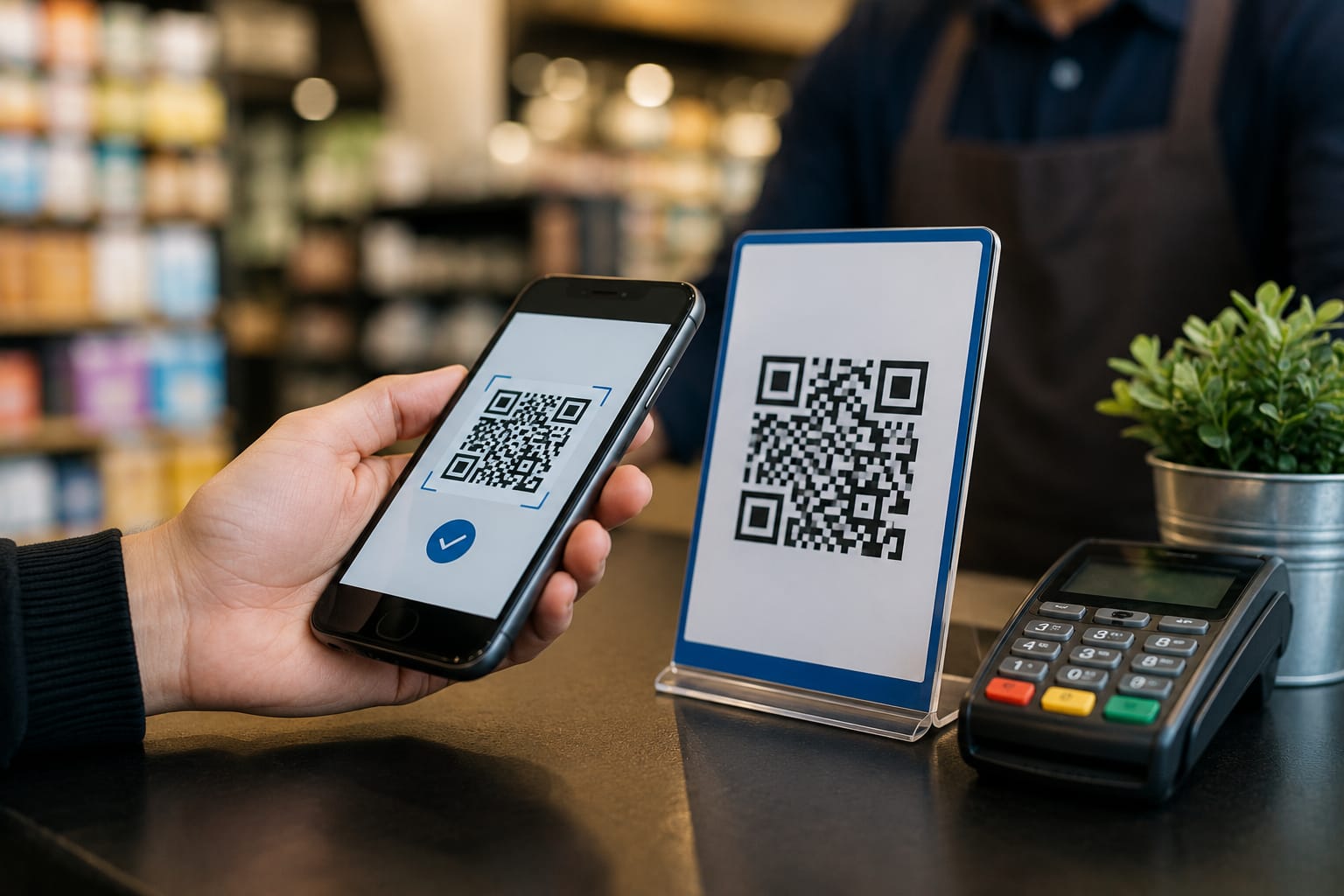
Businesses of all sizes have embraced digital payments. Small shops, restaurants, supermarkets, online stores, and service providers now accept electronic payments through QR codes, mobile apps, and card payment systems.
Digital payments reduce the need to handle cash, improve customer convenience, and speed up business transactions. They also help businesses maintain accurate sales records and simplify tax reporting.
Role of Smartphones and the Internet
The widespread use of smartphones has played a major role in the growth of digital payments. Mobile applications allow users to pay bills, transfer money, recharge mobile phones, book travel tickets, and make purchases with just a few taps.
Improved internet connectivity has further expanded digital payment services, making them available even in many rural areas of the country.
Challenges of Digital Payments
Despite their many benefits, digital payments still face certain challenges. Cybersecurity threats, online fraud, phishing attacks, and data privacy concerns require users to remain cautious while making online transactions.
Some rural areas continue to experience limited internet access, and digital literacy remains a challenge for certain sections of the population. Continuous education and improved infrastructure are necessary to overcome these issues.
Tips for Safe Digital Payments
Users should follow basic cybersecurity practices to protect their financial information. Strong passwords should be used for banking applications, and two-factor authentication should always be enabled whenever available.
People should avoid sharing OTPs, PINs, passwords, or banking details with anyone. Payments should only be made through trusted applications and secure internet connections. Regular monitoring of bank statements also helps detect unauthorized transactions quickly.
Future of Digital Payments in India
The future of digital payments in India looks highly promising. Technologies such as artificial intelligence, biometric authentication, contactless payments, and blockchain are expected to make digital transactions even faster and more secure.
As digital infrastructure continues to improve and financial literacy increases, more people will adopt electronic payment systems. Businesses will continue to benefit from cashless transactions, while consumers will enjoy greater convenience and security.
Digital innovation is expected to support economic growth, encourage entrepreneurship, and strengthen India’s vision of a digitally connected economy.
Conclusion
Digital payments have become an essential part of modern life in India. They offer speed, convenience, transparency, and improved financial security for individuals, businesses, and government services. With increasing smartphone usage, better internet access, and growing digital awareness, electronic payments will continue to expand across the country.
Although challenges such as cybersecurity risks and digital literacy remain, responsible usage and continuous technological advancements will help create a safer and more efficient payment ecosystem. Digital payments are not only changing the way people manage money but are also contributing to India’s journey toward a stronger and more inclusive digital economy.
Leave a Reply