

Introduction
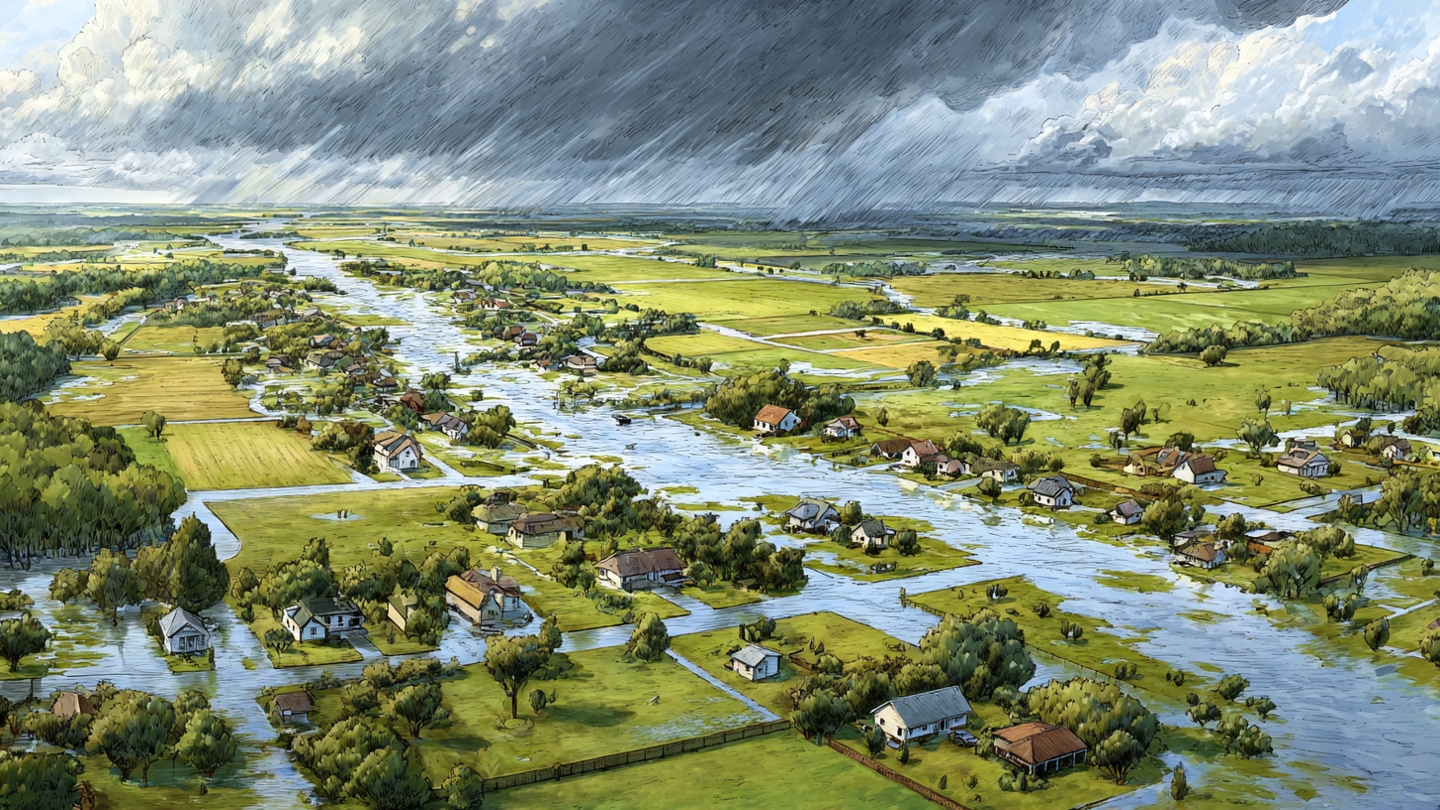
Floods are really common. They can be very bad for people and the environment. They happen everywhere in the world and they affect a lot of people every year. A flood is when water covers land that’s usually dry. This can happen because of rain, rivers overflowing dams breaking, big waves from storms or snow melting fast. Water is necessary for life. Too much water can be very destructive. It is very important to understand why floods happen what they do and how we can deal with them. This is especially important because of climate change, which is making extreme weather happen often and be more severe.
Types of Floods and Their Causes
Floods are not all the same. The way they happen determines how quickly they come and how damage they do.
– Riverine floods: This is the common type of flood. When it rains a lot rivers and streams get too full and overflow. The floods in Pakistan in 2022 were like this. A lot of rain made the rivers overflow. It affected a lot of people.
– Flash floods: These floods are sudden and can be very violent. They can happen because of rainstorms dams breaking or problems with drainage in cities. The water rises quickly so people do not have much time to get out of the way. These floods can be very deadly because they happen fast.
– * floods*: These floods happen when storms make the sea level rise and water covers the land. Hurricanes and cyclones can make this happen. In 2019 a big storm called Cyclone Idai made a lot of flooding in Mozambique.
– Urban floods: These floods are a problem in cities. When it rains the water cannot soak into the ground because of all the concrete and asphalt. This means that even moderate rain can cause flooding. Cities like Mumbai, Jakarta and Houston have a lot of problems with flooding.
– Glacial lake outburst floods: These floods happen in mountain areas. When glaciers melt they form lakes that can be blocked by ice or rocks. If the blockage breaks a lot of water can be. Cause a flood. The Himalayas are a place where this can happen.
Peoples activities can make natural floods worse. When we cut down trees it can make the ground more susceptible to flooding. Building in areas that’re prone to flooding can also make the problem worse. Not taking care of drainage systems can turn a flood into a big disaster. Climate change is also making floods worse. When the air gets warmer it can hold moisture, which means that there can be heavier rainfall.
The Immediate and Long-Term Impact
The damage from floods goes beyond just wet buildings.
1. Human toll: Drowning is the cause of death from floods but contaminated water can also spread diseases like cholera, dysentery and typhoid. In 2023 a dam broke in Libya. Killed over 4,000 people in one night. Floods caused $120 billion in damage in 2024
2. * Disruption*: Floods can destroy crops, which can lead to food shortages. Roads, bridges and power lines can be washed away which can cut off communities for weeks. Small businesses often do not reopen after a flood because they do not have insurance.
3. * Effects*: Floods can erode the top layer of soil which can make it harder to grow crops in the future. Floods can also spread pollutants like chemicals, sewage and oil which can poison rivers and groundwater. However in some areas flooding can also deposit nutrient- soil that can help agriculture.
4. * Displacement*: The UN estimates that 21.5 million people are displaced by floods and other climate-related events every year. These people often have to move to cities, which can create new problems with housing and health.
Notable Flood Events in History
Looking at recent floods shows how different they can be:
– 2022 Pakistan: Heavy rain and melting glaciers caused big floods that affected 33 million people and caused $30 billion in damage.
– 2023 Derna, Libya: A storm caused two dams to break, which flooded a quarter of the city. Poor maintenance and conflict made the situation worse.
– 2024 Brazil, Rio Grande do Sul: Unprecedented rainfall displaced over 600,000 people. Flooded the state capital for weeks.
– 2025 Punjab, India: Heavy rain caused rivers to overflow and affected 2.5 million people destroying rice crops before they could be harvested.
These floods all have one thing in extreme weather, vulnerable infrastructure and dense populations can create a disaster.
Flood Mitigation
We cannot stop the rain. We can reduce the risk of flooding. Effective flood management happens in three stages:
1. Prevention: Mapping areas that are prone to flooding and not building there is the way to prevent floods. The Netherlands has a program that gives rivers space to expand safely of building higher walls. Restoring wetlands and mangroves can also help absorb storm surges.
2. Preparedness: Early warning systems can save lives. Indias Central Water Commission now issues 3-day flood forecasts for river stations. Communities can also prepare by having evacuation routes, emergency kits and drills. In Bangladesh cyclone shelters have reduced flood deaths significantly.
3. Response and recovery: After the flood it is very important to restore water to prevent disease outbreaks. The “Build Back Better” principle encourages people to elevate their homes improve drainage and use materials that can withstand floods. Insurance and government aid can help families recover from floods.
Technology can also help. Satellites can track rainfall and river levels in time. AI models can predict flash floods hours in advance. Mobile alerts can reach millions of people instantly. They require cell networks that often fail during disasters.
The Role of Climate Change
The Intergovernmental Panel on Climate Change says that heavy rainfall events will become more frequent and intense globally. As the air gets warmer it can hold moisture, which means that there can be heavier rainfall. Sea levels are also rising, which means that storm surges can travel inland. Glaciers are melting faster which increases the risk of glacial lake outburst floods in places like Nepal, Peru and the Andes.
This does not mean that every flood is caused by climate change. It does make floods more likely. A flood that used to happen once every 100 years might now happen once every 20 years. Cities that were built for the 20th-century climate are not prepared for the 21st-century climate.
What Individuals and Communities Can Do
Policies are important. Local action can reduce personal risk:
– Know if you live in an area that is prone to flooding. There are maps that can help you determine this.
– Get flood insurance if it is available. Regular home insurance usually does not cover floods.
– Elevate panels, heaters and appliances if you live in a flood-prone area. Keep sandbags and emergency supplies.
– Do not drive through flooded roads. Even a small amount of moving water can be very dangerous.
– Support the restoration of wetlands and oppose construction in floodplains in your community.
Conclusion
Floods show us the two sides of water: it is necessary for life. It can also be very destructive. Floods are natural. Their impact is made worse by where and how we build how we manage land and how fast the climate is changing. The trend is clear: floods are becoming frequent, more intense and more costly. However we also have tools than ever to deal with floods: better forecasting, smarter urban design and global cooperation on climate adaptation.
The goal is not to stop floods from happening. Rivers will always. Coasts will always surge. The goal is to be resilient: to design societies that can bend without breaking when the water comes. This means respecting floodplains investing in warning systems helping vulnerable communities adapt and reducing emissions that fuel extreme rain. Water will always shape civilization. Our choice is whether it shapes us through disaster or, through foresight.