

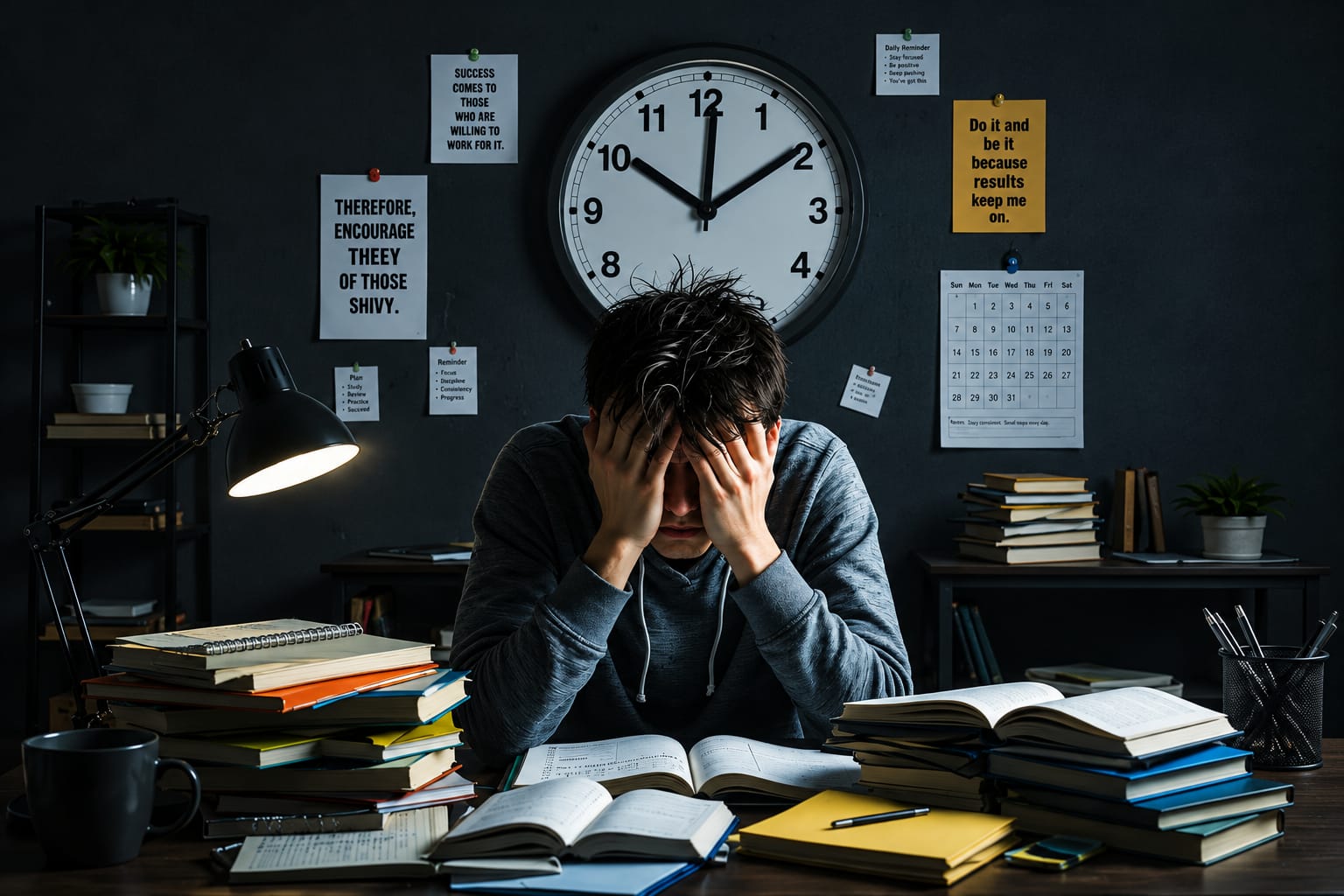
Stress Is More Serious Than You Think
Stress is something that we all have to deal with in our lives. A lot of people do not even notice when stress starts to hurt their health. Things like deadlines, problems with relationships, financial pressure, and thinking too much can slowly make our body go into survival mode. Stress is our body’s natural way of protecting us from danger. However, when stress becomes constant, it can quietly affect both our mind and body in ways we may not immediately recognize.
Today, stress has become one of the biggest health concerns worldwide. Fast-paced lifestyles, increasing work pressure, financial uncertainty, and personal responsibilities make it difficult for many people to truly relax. While short-term stress can sometimes help us stay focused and respond to challenges, long-term stress can have serious consequences if left unmanaged.
How Stress Affects Your Body
When our body is under a lot of stress, it goes into fight-or-flight mode. This makes our body release stress hormones like cortisol and adrenaline. These hormones help us react quickly during difficult situations by increasing our heart rate, boosting energy, and sharpening our focus.
The problem begins when stress does not go away. Instead of returning to a relaxed state, our body stays on high alert for days, weeks, or even months. This constant state of alertness puts pressure on almost every organ in the body and increases the risk of both physical and mental health problems.
The scary thing is that many people ignore the warning signs until their body finally forces them to stop.
7 Major Signs Your Body Is Under Stress
1. Headaches and Muscle Tension
One of the first signs of extreme stress is physical tension that does not go away. Stress causes muscles to tighten automatically. This usually happens around the neck, shoulders, jaw, and back. Over time, this constant tension can trigger headaches or even migraines.
You may also notice:
- Jaw clenching or teeth grinding
- Shoulder stiffness
- Neck pain
- Tight chest muscles
This happens because our body stays ready for “danger,” even when there is no real threat.
If you are constantly sore without any clear reason, stress may be the cause.
2. You Are Always Tired, Even After Sleeping
Do you wake up feeling exhausted even after getting enough sleep?
Chronic stress can completely disrupt our energy levels. High cortisol levels prevent our body from fully recovering during the night. Even if you sleep for eight hours, the quality of your sleep may still be poor.
Signs include:
- Feeling drained every morning
- Midday energy crashes
- Low motivation
- Difficulty staying productive
Stress-related fatigue often feels much deeper than ordinary tiredness. It can make even simple daily tasks feel overwhelming.
3. Sleep Problems or Insomnia
Stress and sleep are closely connected. A stressed mind rarely switches off easily.
You may experience:
- Trouble falling asleep
- Waking up several times during the night
- Racing thoughts before bedtime
- Night sweats or constant restlessness
When our brain stays in survival mode, it treats rest as unsafe. Poor sleep then increases stress levels even further, creating a cycle that becomes difficult to break.
If sleep problems continue for weeks, it may be a sign that your nervous system is overloaded.
4. Digestive Issues Keep Getting Worse
Our gut and brain constantly communicate with each other. That is why stress often shows up through digestive problems.
Extreme stress can cause:
- Bloating
- Acid reflux
- Heartburn
- Nausea
- Constipation
- Diarrhea
- Loss of appetite or overeating
Many people wonder why stress affects the stomach so strongly. The reason is simple. When our body focuses on survival, digestion becomes less important. As a result, the digestive system slows down or becomes irregular.
If your stomach problems become worse during stressful periods, stress may be playing a bigger role than you realize.
5. Rapid Heartbeat or Chest Tightness
Stress places significant pressure on the cardiovascular system.
When stress hormones increase, our heart beats faster and blood pressure rises. This can feel frightening, especially during periods of anxiety or panic.
Symptoms may include:
- Racing heartbeat
- Chest discomfort
- Shortness of breath
- Dizziness
- Sweating
In some cases, severe stress can even mimic symptoms of a heart attack.Persistent chest pain should always be evaluated by a medical professional.
6. Brain Fog and Poor Concentration
Extreme stress does not only affect the body—it also affects the brain.
When our brain spends most of its energy managing stress, it has less capacity for memory, concentration, and decision-making. Everyday tasks may suddenly become much harder than usual.
Common signs include:
- Forgetfulness
- Difficulty concentrating
- Mental exhaustion
- Slow thinking
- Feeling overwhelmed by simple tasks
This “brain fog” happens because our nervous system prioritizes survival over learning and problem-solving.
If you feel mentally slower than usual, chronic stress may be draining your energy.
7. You Keep Getting Sick
One of the most overlooked signs of stress is becoming ill more frequently.
Long-term stress weakens our immune system, making it harder for our body to fight infections.
As a result, you may notice:
- Frequent colds
- Slower recovery from illness
- Skin flare-ups or rashes
- Increased allergies
- Existing health problems becoming worse
Our immune system works best when our body feels safe, relaxed, and well-rested.
When stress remains high for too long, our body becomes much more vulnerable to inflammation and chronic illness.
What Is Chronic Stress?
Stress becomes dangerous when it stops being temporary.
There are three main types of stress:
- Acute Stress: Short-term stress triggered by challenges such as exams, deadlines, or arguments.
- Episodic Acute Stress: Frequent short bursts of stress without enough recovery time.
- Chronic Stress: Long-term stress lasting weeks or months because of ongoing problems such as financial struggles, work pressure, or relationship issues.
Chronic stress is the most dangerous because it keeps our body trapped in survival mode for long periods.
Why You Should Never Ignore Stress
Many people believe stress is simply a normal part of life.
While occasional stress is unavoidable, ignoring long-term stress can eventually lead to serious health complications. These include high blood pressure, hormonal imbalances, severe anxiety, depression, digestive disorders, weakened immunity, and heart-related diseases.
Our body almost always sends warning signals before burnout happens.
Pay attention to those signals.
The earlier stress is recognized, the easier it becomes to manage before it develops into a more serious physical or mental health problem.
Listen to Your Body Before It’s Too Late
Stress is a normal response, but extreme or long-term stress should never be ignored. Our body constantly communicates with us through fatigue, pain, digestive problems, sleep disturbances, emotional changes, and reduced concentration.
Recognizing these warning signs early can help prevent more serious health problems later in life.
If you notice several of these symptoms lasting for weeks, it may be time to slow down, reduce stressors, seek support, and make your health a priority. Protecting your well-being is not a luxury—it is essential.
Listen to your body. It often tells you what your mind is trying to ignore.
Stress is something that we all experience. It is not something that happens only to other people. Learning how to manage stress, rest properly, ask for help when needed, and take care of both our physical and mental health can make a significant difference in our overall quality of life. The sooner we pay attention to stress, the better our chances of preventing burnout and living a healthier, more balanced life.