

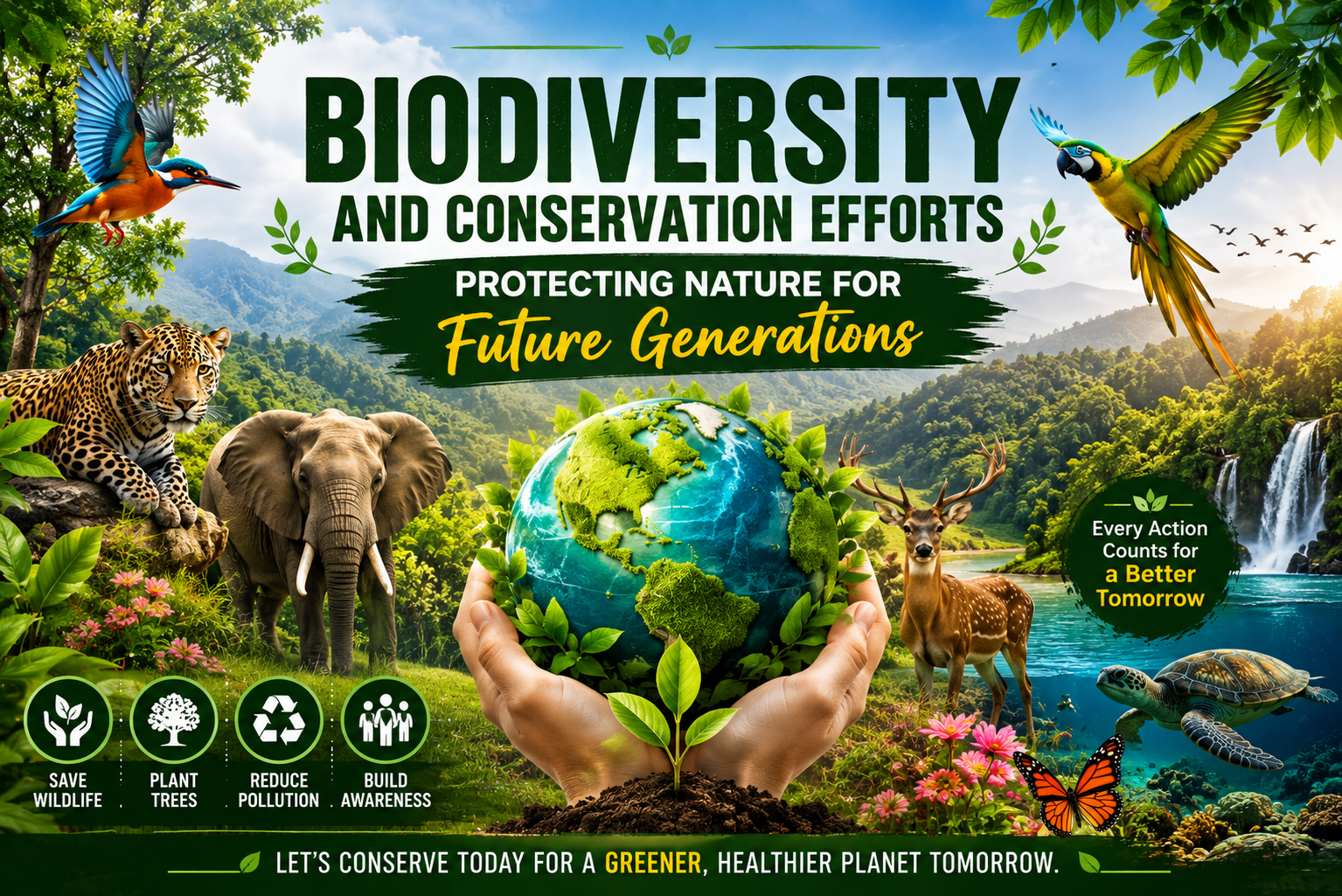
Biodiversity is the incredible variety of life on Earth, including plants, animals, birds, insects, fungi, and microscopic organisms. It also encompasses the ecosystems in which these living organisms interact and depend on one another. Biodiversity plays a vital role in maintaining the balance of nature and supporting life in countless ways.
When we think about nature, we often imagine lush forests, colorful flowers, flowing rivers, and diverse wildlife. However, biodiversity is much more than natural beauty. It provides essential resources such as food, clean air, fresh water, medicine, and fertile soil. Without biodiversity, human survival would be impossible.
Unfortunately, human activities such as deforestation, pollution, urbanization, and climate change are putting immense pressure on ecosystems worldwide. As a result, conservation efforts have become increasingly important to protect nature and ensure a sustainable future for generations to come.
Why Biodiversity Matters
Biodiversity is the foundation of healthy ecosystems. Every species, no matter how small, plays a unique role in maintaining environmental balance. Plants produce oxygen, insects pollinate crops, birds control pests, and microorganisms enrich the soil. Together, these organisms create a complex web of life that supports all living beings.
Biodiversity also contributes significantly to agriculture and food security. Many crops rely on pollinators such as bees, butterflies, and birds. Diverse ecosystems are more resilient and better able to withstand natural disasters, diseases, and climate-related challenges.
In addition to ecological benefits, biodiversity supports human health and well-being. Many medicines originate from plants and natural compounds found in forests, oceans, and other ecosystems. Nature also provides recreational opportunities and contributes to cultural traditions and heritage.
The loss of biodiversity can weaken ecosystems, reduce natural resources, and negatively impact human life. Protecting biodiversity is therefore essential not only for wildlife but also for humanity itself.
The Growing Threat of Species Extinction
One of the greatest challenges facing biodiversity today is species extinction. Extinction occurs when a species disappears completely from the Earth, never to return. Scientists estimate that thousands of species are currently at risk due to habitat destruction, pollution, climate change, and illegal wildlife trade.
Animals such as tigers, rhinos, elephants, sea turtles, and many bird species face serious threats to their survival. As natural habitats shrink, wildlife struggles to find food, shelter, and safe breeding grounds.
The disappearance of a single species can disrupt entire ecosystems. For example, if pollinators decline, plant reproduction suffers, affecting food production and the animals that depend on those plants.
Conservation programs, wildlife sanctuaries, and protected areas have helped save many endangered species. However, continued efforts are needed to ensure that future generations can experience the rich diversity of life that exists today.
Deforestation and Its Impact on Biodiversity
Deforestation is one of the leading causes of biodiversity loss worldwide. It involves the large-scale clearing of forests for agriculture, urban development, mining, and infrastructure projects.
Forests are home to more than half of the world’s terrestrial species. When trees are cut down, countless plants and animals lose their habitats. Many species are unable to adapt to these rapid changes and may eventually disappear.
Beyond its impact on wildlife, deforestation contributes to climate change. Trees absorb carbon dioxide from the atmosphere, helping regulate global temperatures. When forests are destroyed, stored carbon is released, increasing greenhouse gas emissions.
Deforestation can also lead to soil erosion, water shortages, reduced rainfall, and declining agricultural productivity. Protecting forests is therefore essential for both biodiversity conservation and environmental stability.
The Importance of Trees for Biodiversity
Trees are among the most valuable natural resources on Earth. They provide shelter, food, and nesting sites for countless species of birds, insects, mammals, and other wildlife.
A single mature tree can support hundreds of different organisms throughout its lifetime. Trees improve air quality by absorbing carbon dioxide and releasing oxygen. Their roots stabilize the soil, reduce erosion, and help maintain healthy water cycles.
Healthy forests create ideal conditions for biodiversity to thrive. They regulate temperatures, support rainfall patterns, and provide habitats for numerous species.
Planting and protecting trees is one of the most effective ways individuals and communities can contribute to conservation efforts. Reforestation and afforestation projects help restore damaged ecosystems and create new habitats for wildlife.
Conservation Efforts Around the World
Conservation refers to the protection and sustainable management of natural resources. Governments, environmental organizations, scientists, and local communities all play important roles in preserving biodiversity.
Key conservation efforts include:
- Establishing national parks and wildlife reserves
- Protecting endangered species through legal measures
- Restoring degraded ecosystems
- Promoting sustainable agriculture and forestry
- Reducing pollution and waste
- Encouraging environmental education and awareness
Many successful conservation programs have demonstrated that species and ecosystems can recover when given proper protection. Public participation is crucial because lasting environmental change requires collective action.
World Environment Day and Environmental Awareness
Observed annually on June 5, World Environment Day serves as a global reminder of the importance of protecting the planet. It encourages governments, organizations, schools, and individuals to take meaningful action against environmental challenges.
Activities such as tree planting, clean-up drives, educational campaigns, and conservation projects help raise awareness about biodiversity and environmental protection.
World Environment Day highlights issues such as climate change, pollution, habitat destruction, and species extinction. More importantly, it inspires people to adopt sustainable habits that benefit both nature and society.
Simple actions such as reducing plastic use, conserving water, recycling, and planting trees can collectively make a significant impact on the environment.
How Individuals Can Help Protect Biodiversity
Protecting biodiversity is not solely the responsibility of governments and organizations. Individuals can contribute in many ways, including:
- Planting native trees and plants
- Conserving water and energy
- Reducing waste and recycling materials
- Avoiding products that harm wildlife
- Supporting conservation organizations
- Participating in community environmental programs
- Educating others about environmental issues
Every positive action, no matter how small, contributes to the protection of ecosystems and wildlife.
Conclusion
Biodiversity is the foundation of a healthy planet and a vital resource for all living beings. It supports ecosystems, provides essential resources, and enhances the quality of life for people around the world. However, threats such as deforestation, habitat destruction, climate change, and species extinction continue to endanger the natural world.
Protecting biodiversity requires cooperation between governments, communities, organizations, and individuals. Through conservation efforts, sustainable development, environmental education, and responsible lifestyle choices, we can safeguard nature for future generations.
As we recognize the importance of biodiversity and celebrate initiatives like World Environment Day, we must remember that every action matters. By protecting forests, preserving wildlife, and promoting environmental sustainability, we are investing in a healthier and more prosperous future for all life on Earth.