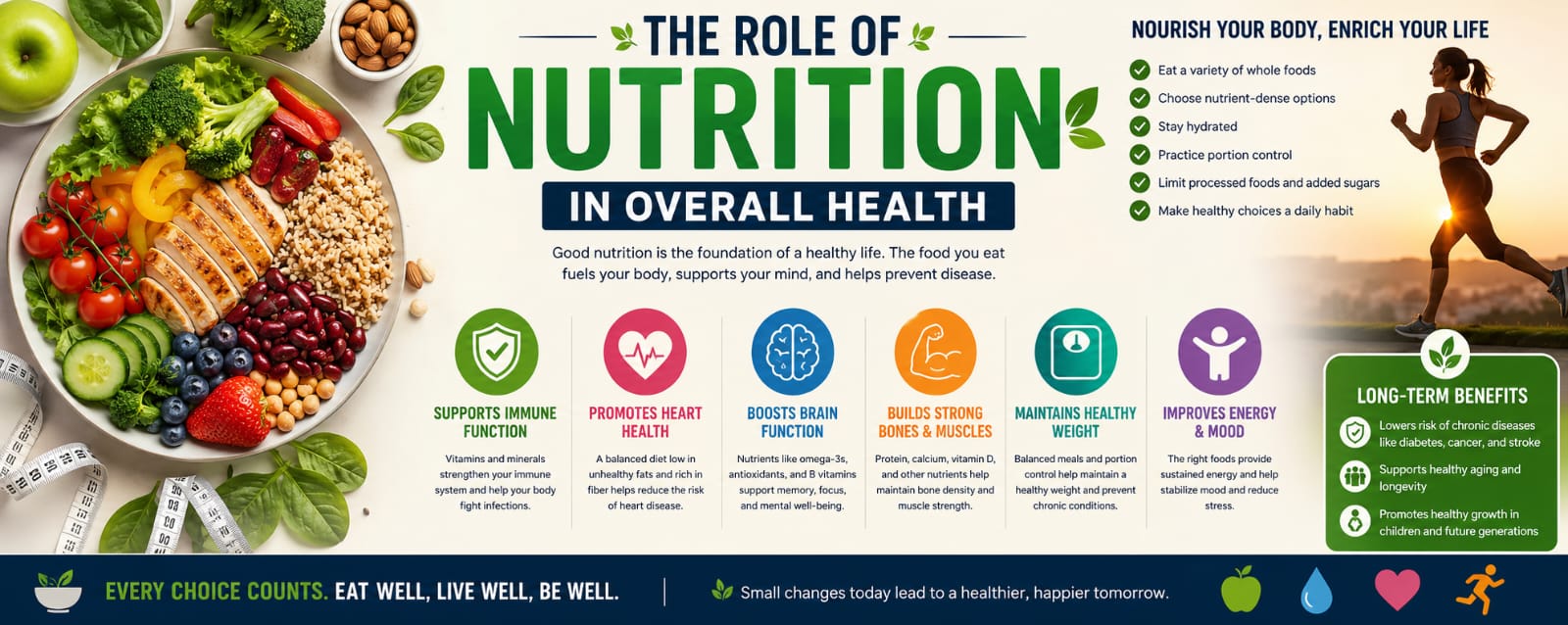
Nutrition forms the foundation upon which human health is built. Every cell, tissue, and organ in the body depends on the nutrients obtained through diet to function properly, repair damage, and resist disease. While modern medicine has made remarkable advances in treating illness, the saying “prevention is better than cure” remains particularly relevant when it comes to nutrition. The food choices people make daily have profound and lasting effects on physical health, mental wellbeing, and overall quality of life.
Understanding Nutrition’s Fundamental Role
Nutrition involves the intake and utilization of food to support growth, maintenance, and repair of the body. The nutrients obtained from food fall into several categories: macronutrients (carbohydrates, proteins, and fats) that provide energy and building blocks for tissues, and micronutrients (vitamins and minerals) that support countless biochemical processes. Water, often overlooked, is equally essential for virtually every bodily function.
Each nutrient plays a specific role. Proteins build and repair muscles, organs, and immune cells. Carbohydrates provide the body’s primary energy source, particularly for brain function. Fats support cell structure, hormone production, and nutrient absorption. Vitamins and minerals act as catalysts for countless metabolic reactions, from bone formation to immune defense.
Physical Health Benefits
Proper nutrition plays a critical role in preventing chronic diseases that account for the majority of deaths worldwide. Diets rich in fruits, vegetables, whole grains, and lean proteins are associated with reduced risk of heart disease, type 2 diabetes, certain cancers, and stroke. Conversely, diets high in processed foods, added sugars, and unhealthy fats contribute to obesity, inflammation, and metabolic dysfunction, all of which increase disease risk.
Maintaining Healthy Weight
Nutrition directly influences body weight and composition. Consuming balanced meals with appropriate caloric intake helps maintain a healthy weight, reducing strain on joints, organs, and the cardiovascular system. Excess weight, particularly when resulting from poor dietary choices, is linked to numerous health complications including diabetes, hypertension, and joint problems.
Supporting Immune Function
A well-nourished body is better equipped to fight off infections and recover from illness. Nutrients such as vitamin C, vitamin D, zinc, and protein are essential for proper immune cell function. Deficiencies in these nutrients can compromise the immune system, making individuals more susceptible to infections and slower to recover from illness or injury.
Promoting Bone and Muscle Health
Calcium, vitamin D, and protein are particularly important for maintaining strong bones and muscles throughout life. Adequate intake during childhood and adolescence supports proper growth, while continued attention to these nutrients in adulthood helps prevent osteoporosis and age-related muscle loss, conditions that significantly impact mobility and independence in older adults.
Mental and Cognitive Benefits
Brain Function and Mental Health
The connection between nutrition and mental health has gained significant attention in recent research. The brain requires a steady supply of nutrients to function optimally, and deficiencies in certain vitamins and minerals have been linked to mood disorders, anxiety, and depression. Omega-3 fatty acids, found in fish and certain plant sources, support brain health and have been associated with improved mood and cognitive function.
Cognitive Performance
Proper nutrition supports concentration, memory, and overall cognitive performance. Stable blood sugar levels, maintained through balanced meals, prevent the energy crashes that can impair focus and productivity. Antioxidant-rich foods help protect brain cells from oxidative stress, potentially reducing the risk of cognitive decline as people age.
Energy Levels and Mood Stability
The foods people consume directly affect energy levels throughout the day. Diets high in refined sugars and processed foods often lead to energy spikes followed by crashes, affecting mood and productivity. In contrast, balanced diets with complex carbohydrates, healthy fats, and adequate protein provide sustained energy and more stable moods.
Long-Term Health Implications
Reducing Healthcare Burden
Poor nutrition contributes significantly to the global burden of chronic disease, placing enormous strain on healthcare systems worldwide. Investing in proper nutrition, both individually and at a societal level, can reduce healthcare costs by preventing diseases before they develop, rather than treating them after the fact.
Supporting Healthy Aging
As people age, nutritional needs change, but the importance of proper nutrition does not diminish. Adequate protein intake helps prevent muscle loss, while sufficient calcium and vitamin D support bone health. Antioxidant-rich foods may help protect against age-related diseases, while proper hydration supports kidney function and overall bodily processes that become more vulnerable with age.
Impact on Future GenerationsNutrition during pregnancy and early childhood has lasting effects that extend beyond the individual. Proper maternal nutrition supports healthy fetal development, while adequate nutrition during childhood supports proper growth and cognitive development, setting the foundation for lifelong health.
Practical Considerations for Better Nutrition
Achieving good nutrition does not require extreme dietary restrictions or complicated meal plans. Simple principles—eating a variety of whole foods, prioritizing fruits and vegetables, choosing whole grains over refined options, including lean proteins, and limiting processed foods and added sugars—form the foundation of healthy eating. Portion control and mindful eating practices further support healthy nutrition habits.
Access to nutritious food remains a significant challenge in many communities, highlighting the importance of addressing food insecurity and promoting nutrition education at the societal level.
Conclusion
Nutrition serves as a fundamental pillar of overall health, influencing nearly every aspect of physical and mental wellbeing. From preventing chronic disease to supporting cognitive function and emotional stability, the impact of dietary choices extends far beyond simple sustenance. As scientific understanding of nutrition continues to deepen, the evidence increasingly supports what many cultures have long understood intuitively: food is not merely fuel, but medicine, and the choices made at each meal shape long-term health outcomes in profound ways.