

A Heatwave Unlike Anything Europe Has Seen Before
Imagine stepping outside and feeling heat so intense it burns your skin within minutes. Roads feel like they’re melting beneath your feet. Public transport slows down. Even breathing feels heavier.
That’s the reality millions across Europe are living through right now.
A brutal heatwave has pushed temperatures above 41°C, turning ordinary summer days into a dangerous fight against extreme heat. Across Germany, Poland, France, and the Czech Republic, records are falling, hospitals are under pressure, and lives are being lost.
This isn’t just another hot summer. Something feels different this time.
The heat is no longer just making people uncomfortable. It is disrupting daily life, overwhelming healthcare systems, and exposing how unprepared many European countries are for prolonged periods of extreme temperatures.
Germany Faces Unprecedented Heat
Germany has become one of the hardest-hit countries during this historic heatwave.
Temperatures reached a staggering 41.7°C, making it the country’s hottest recorded day for the third day in a row. For a nation better known for mild summers than scorching heat, the sudden rise in temperature has exposed a painful truth: Germany simply wasn’t built for this. And that’s the frightening part.
Germany has long enjoyed relatively cool summers. Most homes don’t have air conditioning. Many schools don’t either. For years, nobody really thought they needed it.
Now that assumption is being challenged in the harshest way possible.
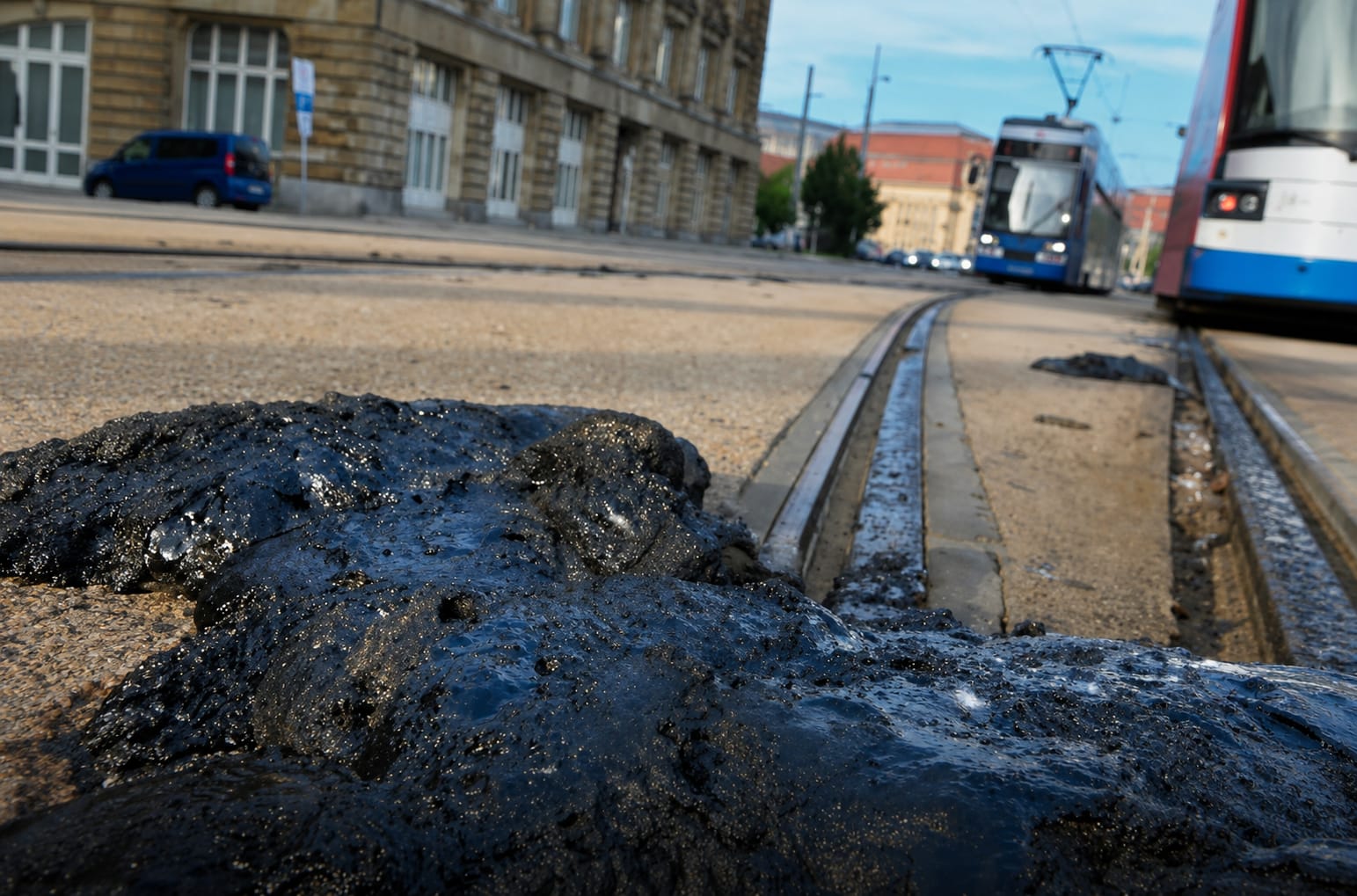
In cities like Leipzig, the heat became so intense it damaged tram infrastructure, disrupting public transport and daily life. Roads softened under the scorching sun. Authorities issued travel warnings and urged people to remain indoors during the hottest hours of the day. But for many people, staying indoors doesn’t guarantee safety.
When homes trap heat and temperatures remain high even after sunset, walls that once felt protective begin to feel like ovens. For elderly people living alone, those conditions can quickly become life-threatening.
The Silent Killer: Why Extreme Heat Is So Dangerous
Heat is terrifying because it doesn’t always look dramatic.
There are no crashing waves.
No collapsing buildings.
No roaring winds.
Just sunlight.
Still air.
And a body slowly struggling to cope.
That’s why experts call extreme heat a silent killer. It creeps in quietly, causing dehydration, dizziness, heat exhaustion, heart strain, and eventually heatstroke. Many people ignore the early symptoms until it becomes too late. Unlike floods or hurricanes, extreme heat often leaves little visible destruction. Yet it remains one of the deadliest natural hazards because its impact is largely invisible until lives are lost.
A Rising Death Toll Across Europe
According to the World Health Organization, more than 1,300 excess deaths have already been linked to Europe’s heatwave since June 21.
That number isn’t just data.
Those are parents.
Grandparents.
Neighbours.
Friends.
People who woke up expecting an ordinary day. And never made it through.
In France alone, officials reported around 1,000 more deaths than expected within just a few days. Many of those who died were older adults living alone without immediate medical assistance. That reality is heartbreaking. Because so many of these deaths are preventable.
Health experts continue urging people to stay hydrated, avoid direct sunlight during peak hours, and regularly check on elderly family members and neighbours.
Europe Is Warming Faster Than Scientists Expected
Climate scientists have warned about extreme heat for years, but those warnings often felt distant.
Almost abstract.
Now reality is impossible to ignore.
The World Health Organization says Europe is the fastest-warming continent on Earth, heating at nearly twice the global average.
Think about that.
An entire continent warming faster than much of the rest of the planet.
That changes everything.
Summers become longer.
Heatwaves become more frequent.
What used to happen once every few decades is now happening every few years—and in some places, almost every year.
This heatwave may not be a rare disaster.
It may be a glimpse of the future.
And that thought is deeply unsettling.
It’s Bigger Than Germany
Germany isn’t alone.
Across Europe, the heat is rewriting weather history.
The Czech Republic recorded temperatures of 41.1°C, while Poland reached 40.5°C, breaking long-standing records.
These numbers are shocking not only because they’re high but because of where they’re happening.
Central Europe wasn’t supposed to feel like this.
Yet millions are now living through days where simply stepping outside can become dangerous.
Power grids are under strain.
Schools are shutting down.
Hospitals are preparing for more emergency cases.
Transport systems are slowing as railway tracks expand and roads soften under the intense heat. Farmers are also facing growing concerns over damaged crops as prolonged dry conditions threaten agricultural production.
Cities built for gentle summers are struggling to survive brutal heat.
And perhaps the hardest part is this:
Night isn’t bringing relief.
Usually, cooler nights allow the body to recover.
But when heat lingers after dark, exhaustion builds.
The stress becomes relentless.
Climate Change Is No Longer a Future Problem
For years, climate change was framed as something for future generations to worry about.
Something our children might face.
Something “coming soon.”
That language doesn’t work anymore.
Climate change isn’t approaching. It’s here. Right now. You can see it in wildfires, floods, droughts, collapsing infrastructure—and now in this devastating heat.
When roads melt and hundreds die simply because temperatures rise too high, climate change stops being political. It becomes human. It becomes personal.
Scientists say climate change doesn’t create every heatwave, but it makes extreme heat more frequent, more intense, and much longer lasting. Without significant reductions in greenhouse gas emissions, these events are expected to become increasingly common.
Staying Safe During Extreme Heat
Health experts recommend taking extra precautions during periods of extreme heat, especially for older adults, children, outdoor workers, and people with underlying health conditions.
Staying hydrated, avoiding outdoor activities during peak afternoon hours, wearing light clothing, and remaining in cool or air-conditioned places can significantly reduce health risks. People should also check regularly on elderly relatives and neighbours and never leave children or pets inside parked vehicles.
Recognizing the signs of heat exhaustion and heatstroke—including dizziness, confusion, nausea, rapid heartbeat, and fainting—and seeking immediate medical attention can save lives.
Final Thoughts
Europe’s heatwave is more than a weather headline.
It’s a warning.
A warning that the world we built may no longer match the climate we’re entering. A warning that adaptation can’t wait. And a warning that the cost of delay will be measured not just in money—but in lives.
This summer may be remembered as the moment Europe fully understood something terrifying: The climate crisis is no longer tomorrow’s problem. It has arrived. And it’s already changing how we live.
For millions of people enduring record-breaking temperatures across Europe, the message is becoming impossible to ignore. Extreme heat is no longer an isolated weather event—it is becoming one of the defining challenges of our time. How governments, cities, and communities respond today will shape their ability to protect lives in a rapidly warming world.