

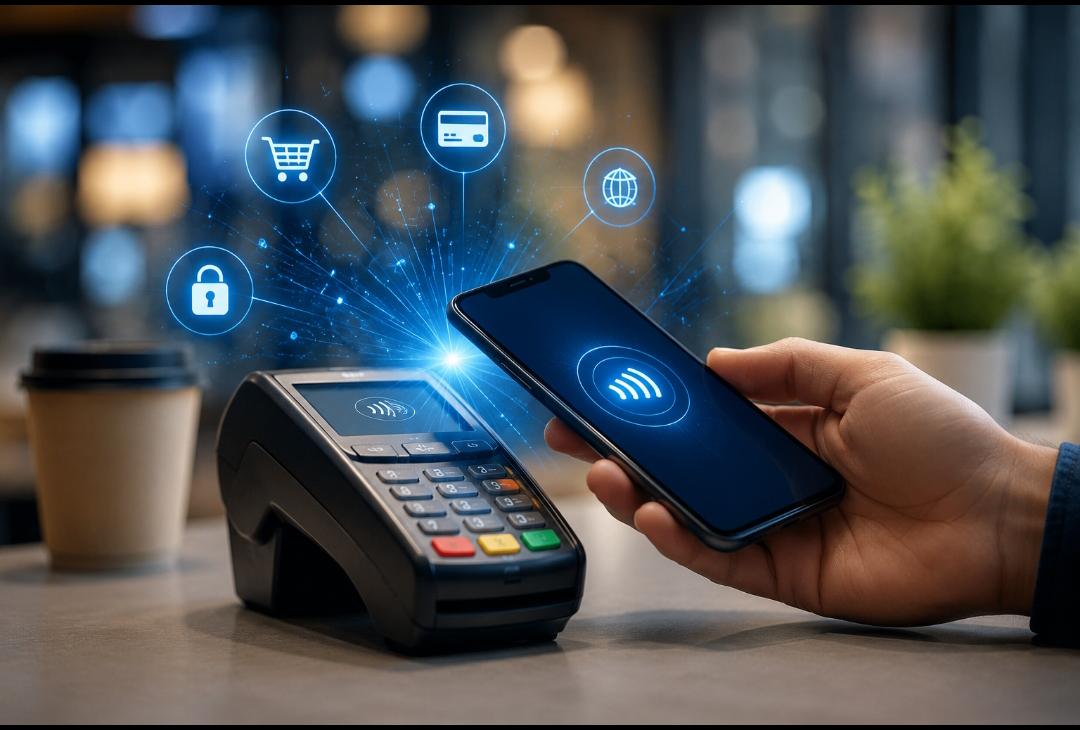
Digital Payments: The Future of Cashless Transactions
These days people handle money in a different way. We do not have to carry cash with us to make purchases or pay bills anymore. Digital payments have become a part of our daily lives, thanks to smartphones, internet banking, digital wallets and QR code payments. Whether we are buying groceries shopping online booking tickets or paying utility bills we prefer quick and secure cashless transactions.
Digital payments are not just convenient they are changing the way the whole world does business. They help people who did not have access to banks before they make things more transparent reduce our need for cash and create opportunities for businesses and consumers. As technology keeps getting better digital payments will become the way people make financial transactions in the future.
What Are Digital Payments?
Digital payments are when we make transactions electronically without using physical cash. Of giving someone notes and coins money is transferred digitally from one account to another using the internet or electronic payment systems.
Some common examples of payment methods include mobile payment apps, internet banking, debit and credit cards QR code payments, contactless card payments, digital wallets, UPI and Buy Now Pay Later services. These payment methods allow users to transfer money instantly pay merchants receive salaries and complete purchases safely and conveniently.
Growth of Digital Payments
Over the ten years digital payment systems have grown a lot across the world. Countries like India have seen a change in the way people make digital payments thanks to affordable smartphones, widespread internet access and government initiatives that promote cashless transactions.
Small businesses, local shops, restaurants and street vendors now accept QR code payments making digital transactions easier for customers. Online shopping platforms, food delivery services and subscription-based businesses have also contributed to the increasing popularity of payments.
People like the speed, convenience and flexibility that digital payment solutions offer making them a necessary part of life.
Benefits of Digital Payments
1. Convenience
Digital payments mean we do not have to carry cash with us. We can complete transactions anytime and anywhere using our smartphones or computers. Whether we are shopping online or paying at a store payments take only a few seconds.
2. Faster Transactions
Unlike banking methods that may take several days to process digital payments are often completed instantly. This saves time for both customers and businesses.
3. Improved Security
Modern digital payment platforms use security technologies such as encryption, biometric authentication, OTP verification and fraud detection systems. These features significantly reduce the risk of theft and unauthorized transactions.
4. Financial Inclusion
Digital payment services allow people in rural areas to access banking facilities through mobile devices. This helps individuals participate in the financial system without needing to visit a physical bank branch.
5. Better Record Keeping
Every digital transaction generates a record. We can easily track our expenses review payment history and manage our finances effectively.
6. Business Growth
Businesses benefit from payments by serving more customers reducing cash handling costs and improving operational efficiency. Faster transactions also enhance customer satisfaction.
Popular Digital Payment Methods
Mobile Wallets
Digital wallets allow us to store money electronically and make payments quickly using our smartphones. They are commonly used for shopping, bill payments and mobile recharges.
UPI Payments
Unified Payments Interface has changed the way we make transactions by enabling instant bank-to-bank transfers through mobile applications. It has become one of the preferred payment methods due to its speed and simplicity.
Credit and Debit Cards
Cards remain one of the widely used payment options worldwide. Contactless payment technology has made card transactions faster and more convenient.
Internet Banking
Internet banking enables us to transfer funds, pay bills, manage accounts and perform banking activities without visiting a bank.
QR Code Payments
QR code technology allows customers to scan a code using their smartphone and make instant payments without entering bank details manually.
Challenges of Digital Payments
Despite their advantages digital payments also face several challenges.
Cybersecurity threats are a problem. Hackers constantly target payment systems through phishing attacks, malware, identity theft and online fraud. We must be careful when sharing banking information.
Internet dependency is another issue. Digital payments rely on internet connectivity. In areas with network coverage completing transactions can become difficult.
Many people, older adults and individuals in rural communities may struggle to understand digital payment systems. Educational programs are necessary to improve literacy.
Technical issues like server outages, software bugs and payment gateway failures can temporarily disrupt transactions causing inconvenience for users.
Digital payment platforms collect user data to improve services. Proper data protection policies are essential to ensure customer privacy and prevent misuse of information.
The Role of Artificial Intelligence in Digital Payments
Artificial Intelligence is changing the digital payments industry by improving security, customer service and transaction efficiency.
AI-powered systems can detect transactions in real time analyze customer spending patterns provide personalized financial recommendations improve customer support through chatbots and automate payment processing.
Machine learning algorithms continuously learn from transaction data helping financial institutions identify activities more accurately.
The Future of Cashless Transactions
The future of payments looks very promising. Moreover, Emerging technologies will continue making transactions safer and more intelligent.
In addition, Several innovations are expected to shape the future including authentication using fingerprints and facial recognition blockchain technology for secure transactions Central Bank Digital Currencies, voice-enabled payments, wearable payment devices such as smartwatches, Artificial Intelligence-powered fraud prevention and cross-border instant payment systems.
As these technologies mature digital payments will become more seamless and accessible for people worldwide.
Digital Payments in India
India has become one of the worlds leading payment markets. Furthermore, Government initiatives promoting inclusion, digital infrastructure and smartphone adoption have significantly increased cashless transactions.
For example, Millions of businesses now accept QR code payments while consumers regularly use UPI, internet banking and mobile wallets for expenses. In addition, Digital payment platforms have also empowered businesses by providing affordable payment solutions and expanding their customer reach.
Therefore, With technological innovation and growing internet penetration India is expected to remain a global leader in digital payment adoption.
Conclusion
Digital payments have changed the way individuals and businesses exchange money. They offer speed, convenience, security and transparency while supporting growth and financial inclusion. Although challenges such as cybersecurity risks, digital literacy and internet connectivity still exist. Nevertheless continuous advancements in technology are making digital payment systems more reliable and accessible.
Finally, the future of cashless transactions will be driven by Artificial Intelligence, blockchain, biometric authentication and innovative financial technologies. Overall, as digital infrastructure continues to improve cashless payments will become a more integral part of daily life. Therefore, embracing secure and responsible digital payment practices will help create a more efficient and financially inclusive society, for the future.