

Introduction
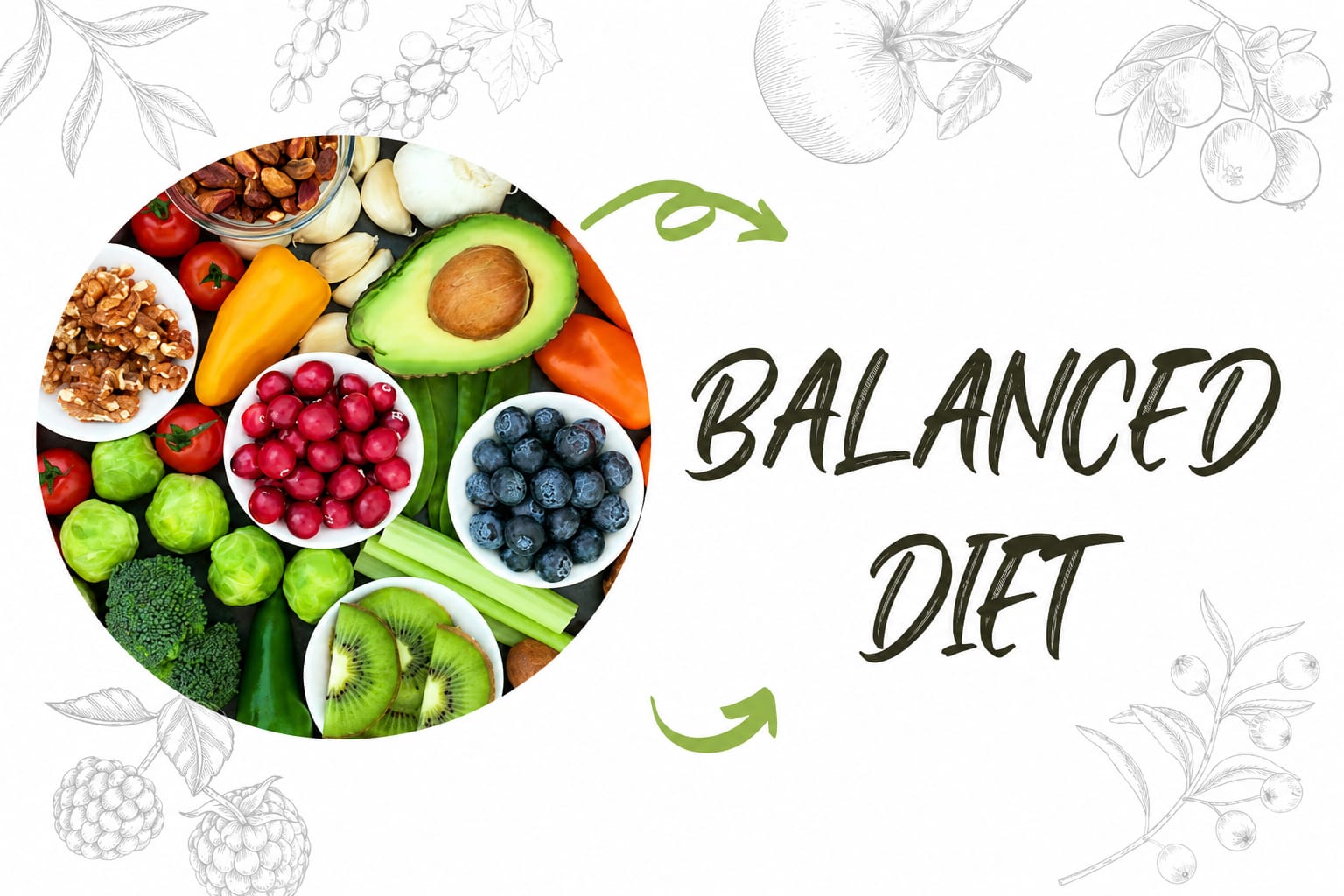
A balanced diet is one of the most important foundations of a healthy and happy life. The food we eat provides our bodies with the nutrients needed for growth, energy, repair, and protection against diseases. In today’s fast-paced world, many people rely on processed foods, sugary drinks, and unhealthy snacks because they are convenient. However, poor eating habits can lead to obesity, diabetes, heart disease, and many other health problems.
A balanced diet ensures that our body receives the right amount of carbohydrates, proteins, fats, vitamins, minerals, fiber, and water. It not only improves physical health but also supports mental well-being, boosts immunity, and enhances overall quality of life. Whether you are a child, teenager, adult, or senior citizen, maintaining a balanced diet is essential for living a healthy and active life.
What is a Balanced Diet?
A balanced diet is a meal plan that contains all the essential nutrients in the correct proportions to meet the body’s nutritional needs. It includes a variety of foods from different food groups rather than relying on a single type of food.
The key components of a balanced diet include:
- Carbohydrates: The primary source of energy. Foods such as rice, bread, oats, potatoes, and whole grains provide carbohydrates.
- Proteins: Help build and repair muscles, tissues, and cells. Good sources include eggs, fish, chicken, lentils, beans, milk, and soy products.
- Healthy Fats: Necessary for brain function, hormone production, and energy storage. Healthy fats are found in nuts, seeds, avocados, olive oil, and fatty fish.
- Vitamins and Minerals: Essential for maintaining immunity, strong bones, healthy skin, and proper body functions. Fruits and vegetables are excellent sources.
- Fiber: Supports digestion and helps maintain a healthy weight. Whole grains, fruits, vegetables, and legumes are rich in fiber.
- Water: Keeps the body hydrated, regulates body temperature, and helps transport nutrients throughout the body.
Benefits of a Balanced Diet
1. Provides Energy
Food acts as fuel for the body. A balanced diet supplies enough energy to perform daily activities, exercise, work, and study efficiently. Eating nutritious meals helps prevent fatigue and keeps energy levels stable throughout the day.
2. Supports Growth and Development
Children and teenagers require proper nutrition for healthy growth and development. Proteins, calcium, vitamins, and minerals contribute to strong bones, muscles, teeth, and overall physical development. Adults also need these nutrients to maintain healthy body functions.
3. Strengthens the Immune System
A healthy immune system protects the body from infections and diseases. Nutrients such as Vitamin C, Vitamin D, Zinc, and antioxidants found in fruits, vegetables, and nuts help strengthen immunity and reduce the risk of illness.
4. Helps Maintain a Healthy Weight
A balanced diet prevents overeating by providing the right mix of nutrients. Foods rich in fiber and protein help you feel full for longer, reducing unnecessary snacking and supporting healthy weight management.
5. Improves Heart Health
Eating foods low in saturated fats and high in fiber helps reduce cholesterol levels and lowers the risk of heart disease. Including fruits, vegetables, whole grains, and healthy fats supports cardiovascular health.
6. Enhances Brain Function
The brain requires nutrients to function effectively. Omega-3 fatty acids, vitamins, and minerals improve memory, concentration, and learning ability. A balanced diet can also reduce the risk of cognitive decline with age.
7. Promotes Better Digestion
Fiber-rich foods improve digestion by preventing constipation and supporting healthy gut bacteria. Drinking enough water further helps the digestive system work efficiently.
8. Reduces the Risk of Chronic Diseases
Healthy eating habits significantly reduce the chances of developing chronic illnesses such as diabetes, high blood pressure, obesity, certain cancers, and osteoporosis.
Essential Food Groups in a Balanced Diet
A balanced diet should include foods from all major food groups.
Fruits
Fruits provide vitamins, minerals, antioxidants, and natural sugars that boost energy and strengthen immunity. Apples, oranges, bananas, berries, mangoes, and papayas are excellent choices.
Vegetables
Vegetables are rich in nutrients while being low in calories. Green leafy vegetables like spinach, broccoli, cabbage, carrots, tomatoes, and bell peppers provide essential vitamins and minerals.
Whole Grains
Whole grains contain fiber, vitamins, and complex carbohydrates. Brown rice, oats, quinoa, barley, and whole wheat bread are healthier than refined grains.
Protein Foods
Proteins are essential for muscle growth and tissue repair. Include eggs, fish, lean meat, beans, lentils, tofu, milk, yogurt, and nuts in your meals.
Dairy Products
Milk, cheese, and yogurt provide calcium, protein, and Vitamin D, which help maintain strong bones and teeth.
Healthy Fats
Healthy fats support brain development and heart health. Sources include almonds, walnuts, flaxseeds, sunflower seeds, olive oil, and avocados.
The Importance of Hydration
Water is an essential part of a balanced diet. It helps regulate body temperature, transports nutrients, removes waste, lubricates joints, and supports digestion. Drinking adequate water every day improves concentration, energy levels, and skin health.
Most adults should aim for around 2–3 liters of fluids daily, though individual needs vary depending on age, activity level, and climate.
Healthy Eating Habits
Following healthy eating habits is just as important as choosing nutritious foods.
Eat Regular Meals
Skipping meals may lead to overeating later. Eating breakfast, lunch, dinner, and healthy snacks keeps energy levels consistent.
Control Portion Sizes
Eating appropriate portions helps maintain a healthy weight and prevents excessive calorie intake.
Choose Fresh Foods
Fresh fruits, vegetables, and home-cooked meals are generally healthier than processed and packaged foods.
Limit Sugar and Salt
Excess sugar increases the risk of obesity and diabetes, while too much salt can raise blood pressure. Moderation is key.
Avoid Excessive Junk Food
Fast foods, soft drinks, chips, and sweets are often high in unhealthy fats, sugar, and sodium. They should be consumed only occasionally.
Read Food Labels
Checking nutrition labels helps consumers make healthier food choices by understanding ingredients and nutrient content.
Balanced Diet Across Different Life Stages
Children
Children need balanced nutrition for proper growth, brain development, and strong immunity. Healthy meals improve concentration and learning at school.
Teenagers
Teenagers experience rapid growth and hormonal changes. A diet rich in protein, calcium, iron, and vitamins supports healthy development and energy levels.
Adults
Adults require balanced meals to maintain productivity, manage stress, and reduce the risk of chronic diseases.
Older Adults
Senior citizens benefit from nutrient-rich foods that support bone health, muscle strength, immunity, and cognitive function. Adequate protein, calcium, and hydration are especially important.
Common Mistakes to Avoid
Many people unknowingly follow unhealthy eating habits that affect their health.
Some common mistakes include:
- Skipping breakfast regularly.
- Eating too much processed food.
- Drinking sugary beverages frequently.
- Consuming oversized portions.
- Ignoring fruits and vegetables.
- Following extreme dieting trends.
- Not drinking enough water.
- Eating while distracted by television or mobile phones.
Avoiding these habits can greatly improve overall health.
Tips for Maintaining a Balanced Diet
Here are some practical ways to maintain healthy eating habits:
- Plan your meals in advance.
- Include colorful fruits and vegetables in every meal.
- Replace refined grains with whole grains.
- Choose grilled or steamed foods instead of fried foods.
- Snack on fruits, nuts, or yogurt instead of chips or sweets.
- Stay physically active alongside healthy eating.
- Drink enough water throughout the day.
- Practice mindful eating by eating slowly and paying attention to hunger and fullness.
Challenges to Healthy Eating
Modern lifestyles make healthy eating difficult for many people. Busy schedules, fast-food availability, marketing of unhealthy foods, and limited nutrition awareness often encourage poor food choices. However, simple changes like meal planning, preparing food at home, and choosing healthier alternatives can make a significant difference.
Governments, schools, workplaces, and communities also play an important role by promoting nutrition education and improving access to healthy foods.
Conclusion
A balanced diet is essential for maintaining good health, preventing diseases, and improving overall well-being. It provides the body with the nutrients needed for growth, energy, and proper functioning. By including a variety of fruits, vegetables, whole grains, proteins, healthy fats, and plenty of water, individuals can enjoy a healthier and more active life.
Healthy eating is not about strict dieting or completely avoiding your favorite foods. Instead, it is about making smart food choices, eating in moderation, and maintaining consistency over time. Combined with regular physical activity and a healthy lifestyle, a balanced diet can help people live longer, feel better, and enjoy a higher quality of life.