

Introduction
Food is a lot more than something we eat to feel full. It tells us stories about people, their traditions, history and culture. Every city, town and village has its Local Food Scenes that show us what the people who live there are like. Trying Local Food Scenes is one of the ways to understand a place because food brings travelers and residents together through shared experiences and flavors.
When people visit a place they often look for famous landmarks, museums or natural attractions.. Local Food Scenes can be just as important. Local Food Scenes include dishes, street food, family-owned restaurants, local markets and food festivals. They show us the ingredients, cooking methods and cultural influences that have been around for generations.
In years people have become more interested in Local Food. Travelers do not want to eat at fast-food chains anymore. They want to have experiences that let them taste the true flavors of a region. So Local Food Scenes have become a part of tourism and cultural exploration.
The Cultural Importance of Local Food
Food is closely connected to culture. Traditional recipes are often passed down from one generation to another which helps keep customs and heritage alive. The ingredients used in Local Food dishes are usually influenced by the regions climate, geography and agricultural practices.
For example people who live in areas often specialize in seafood dishes while people who live in farming areas may be known for grain-based meals and fresh produce. Spices, herbs and cooking techniques also show us about trade routes and cultural exchanges. When we try Local Food we learn more about the history and traditions of a place.
Local Food also brings people together. Family gatherings, religious celebrations and cultural festivals often center around meals. These events help keep bonds strong and preserve cultural identity.
The Rise of Street Food Culture
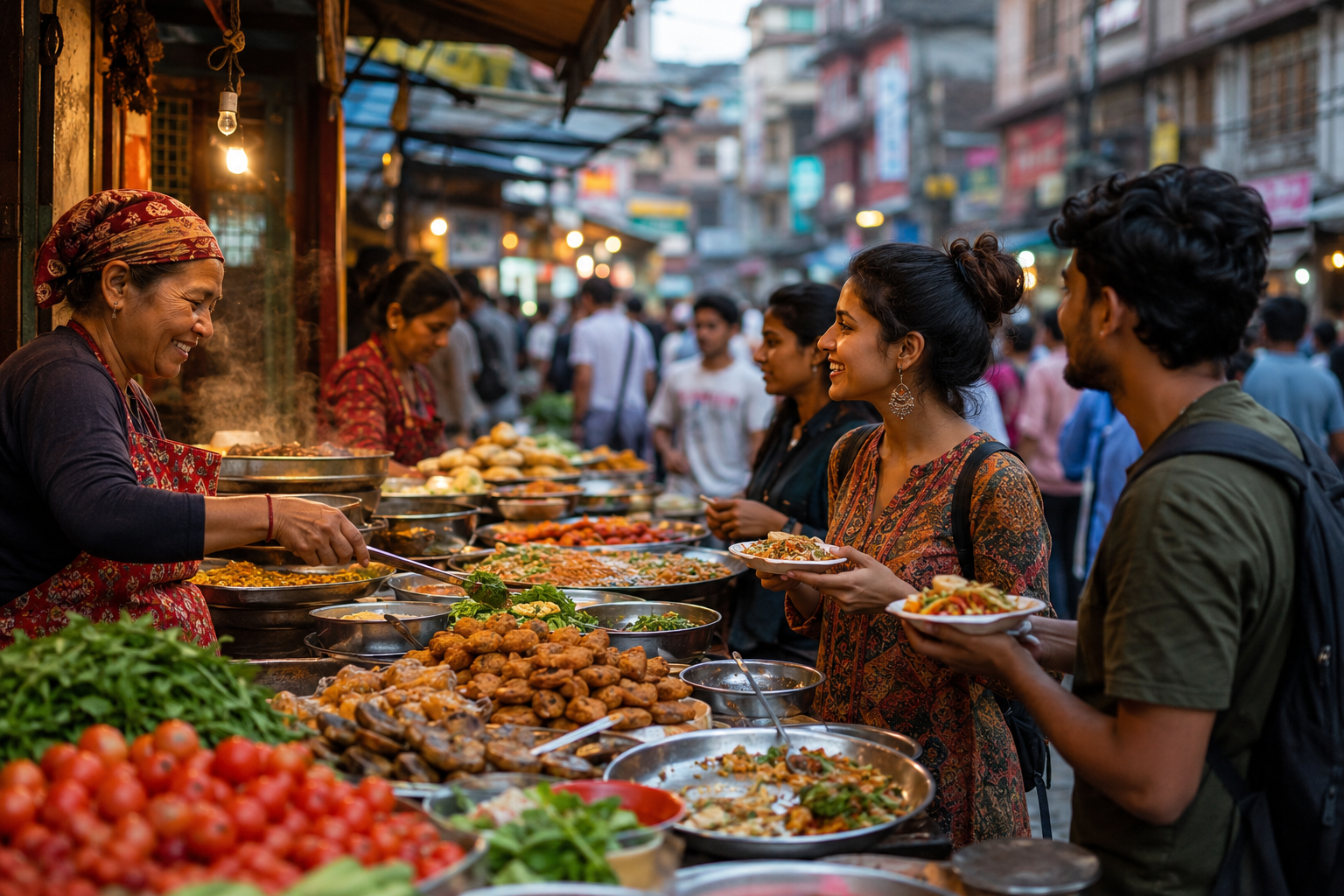
One of the exciting things about Local Food Scenes is street food. Street vendors offer flavorful and freshly prepared meals that attract both locals and tourists. Street food gives us a look into everyday life and lets us try Local Food flavors in a casual setting.
From snacks sold at roadside stalls to freshly prepared sweets and beverages street food often represents the heart of a communitys culinary traditions. Many famous dishes that people enjoy worldwide started as street foods. They are still popular because they are easy to get, convenient and full of character.
Street food markets also help the economy by creating opportunities for small businesses and entrepreneurs. They provide jobs. Help keep traditional cooking methods alive that might otherwise disappear.
Supporting Local Farmers and Businesses
A strong Local Food Scene helps more than the people who eat the food. It also helps farmers, fishermen, artisans and small business owners. When people buy Local Food they help make the local economy stronger and encourage practices.
Farmers markets are an example of this connection. These markets let producers sell directly to consumers, which ensures freshness and reduces transportation costs. Customers can learn about where their food comes from and build relationships with Local Food producers.
Supporting Local Food businesses also helps keep diversity in the food industry. Small restaurants and food vendors often offer dishes that cannot be found elsewhere which contributes to the character and identity of a region.
Food Tourism and Travel Experiences
Food tourism has become a trend in the travel industry. Many travelers now plan trips around culinary experiences. They visit destinations known for their Local Food attend cooking classes join food tours and participate in food festivals.
Local Food experiences create lasting memories because they engage senses. The smell of cooked dishes the colors of Local Food ingredients and the flavors of traditional recipes leave a strong impression on visitors. These experiences often become some of the memorable parts of a journey.
Food tourism also promotes exchange. Visitors learn about Local Food traditions while residents have the opportunity to share their heritage with people from backgrounds. This exchange helps people understand and appreciate cultures.
Challenges Facing Local Food Scenes
Despite their importance Local Food Scenes face challenges. Globalization has led to the spread of restaurant chains, which can sometimes overshadow traditional Local Food businesses. Changing lifestyles and consumer preferences may also reduce interest in cooking practices.
In addition rising costs, development and environmental concerns can make it difficult for small Local Food producers and vendors to survive. Preserving Local Food traditions requires support from communities, governments and consumers who value heritage.
Efforts such as food festivals, culinary education programs and Local Food campaigns can help protect and promote Local Food cuisines for future generations.
Conclusion
Local Food Scenes are a part of cultural identity and community life. They offer a way to explore traditions, history and everyday experiences through Local Food. Whether we try Local Food at a family-run restaurant a bustling street market or a Local Food festival traditional dishes tell us stories that connect us to a place and its heritage.
As interest, in travel experiences continues to grow Local Food Scenes will remain valuable cultural treasures. By supporting Local Food producers preserving Local Food recipes and embracing culinary diversity communities can ensure that their Local Food heritage continues to thrive for generations to come.