

Introduction
Pitru Paksha is a sacred 16-day period in the Hindu calendar dedicated to remembering and honouring deceased ancestors. It is believed that during this time, the souls of one’s forefathers visit the earthly realm to receive prayers and offerings from their descendants. Families across India observe rituals with devotion, expressing gratitude for the blessings and guidance received from previous generations.
In 2026, Pitru Paksha begins on 26 September and continues until Mahalaya Amavasya in October. This period holds great spiritual significance and encourages people to strengthen their connection with family traditions and ancestral values.
What is Pitru Paksha?
The word “Pitru” means ancestors, while “Paksha” refers to a fortnight or a period of fifteen lunar days. According to Hindu beliefs, offering prayers and performing rituals during this period helps bring peace to departed souls. It is also believed that ancestors bless their descendants with prosperity, health, and happiness when remembered with sincerity.
Many families observe the rituals on the specific lunar day (tithi) corresponding to the death anniversary of their ancestors.
Rituals Observed During Pitru Paksha
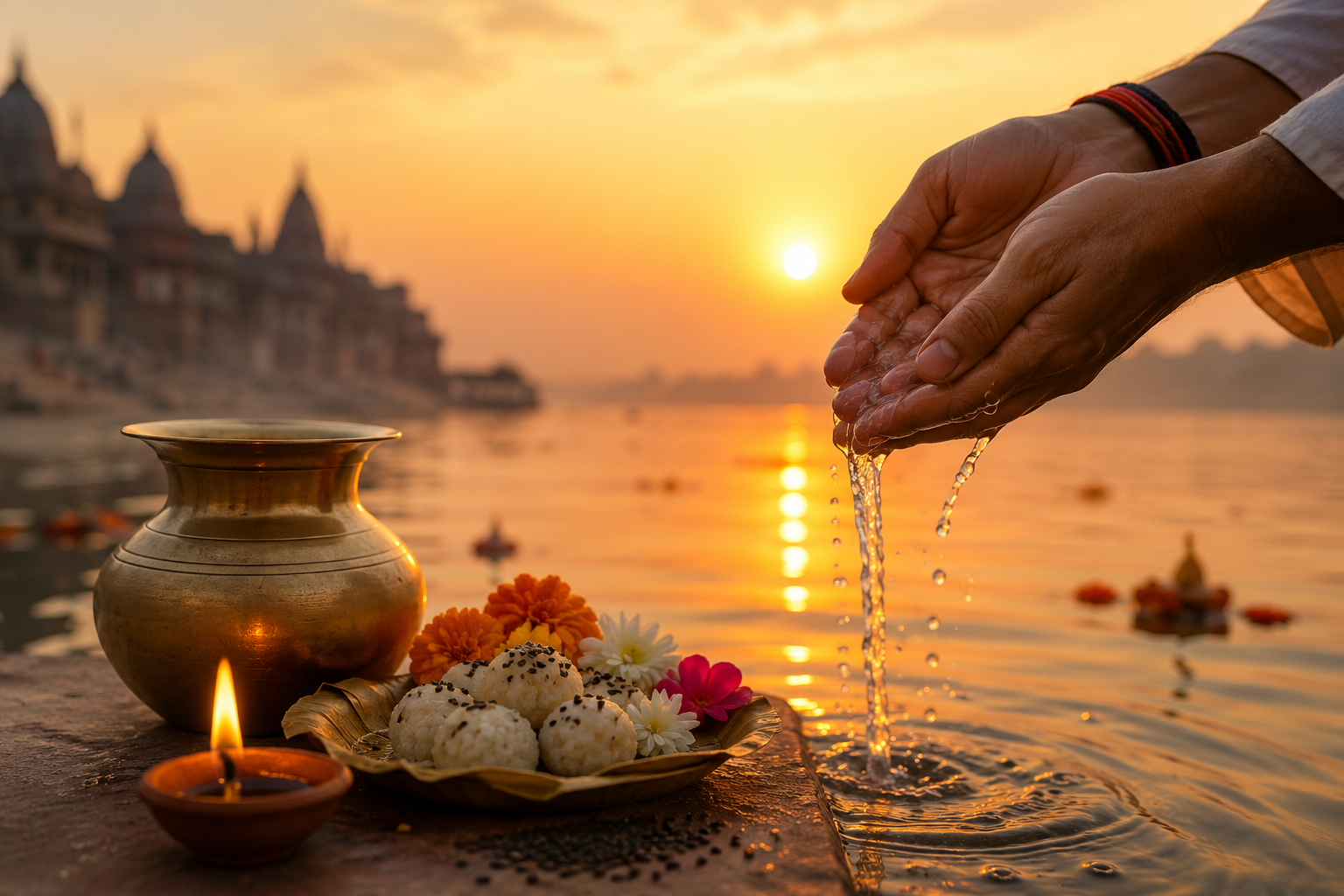
The most important ritual during Pitru Paksha is Shraddha, which is performed to honour departed family members. It usually includes prayers, offerings of food, sesame seeds, water, and sacred grass (kusha), along with donations to priests or those in need.
Another common practice is Tarpan, where water mixed with black sesame seeds is offered while chanting prayers for the peace of ancestors. Many devotees also prepare simple vegetarian meals and feed cows, crows, dogs, and the poor, as these acts are considered highly meritorious during this period.
Some people choose to visit holy places such as Gaya, Prayagraj, Haridwar, or Varanasi to perform ancestral rites, as these locations are believed to hold special spiritual importance.
Spiritual Importance
Pitru Paksha reminds people to acknowledge the sacrifices and contributions of earlier generations. Hindu scriptures teach that every individual carries three important obligations in life—towards the gods, sages, and ancestors. Observing Pitru Paksha is considered a way of fulfilling one’s duty towards the ancestral lineage.
The rituals are not only about tradition but also about expressing gratitude, preserving family values, and seeking blessings for future generations. The period encourages humility, remembrance, and compassion through acts of charity and prayer.
Customs During the Fortnight
Many devotees follow a simple lifestyle during Pitru Paksha. They often avoid celebrations, weddings, housewarming ceremonies, and other auspicious events until the period concludes. Instead, the focus remains on prayer, charity, and spiritual reflection.
People also donate food, clothes, and essential items to the needy, believing that such acts performed in the name of ancestors bring peace to departed souls and blessings to the family.
Conclusion
The beginning of Pitru Paksha marks a deeply meaningful period of remembrance in Hindu tradition. It offers families an opportunity to honour their ancestors with prayers, rituals, and charitable acts while reflecting on the values passed down through generations. By observing this sacred fortnight with faith and gratitude, devotees seek blessings for peace, harmony, and the well-being of both the departed and the living.