

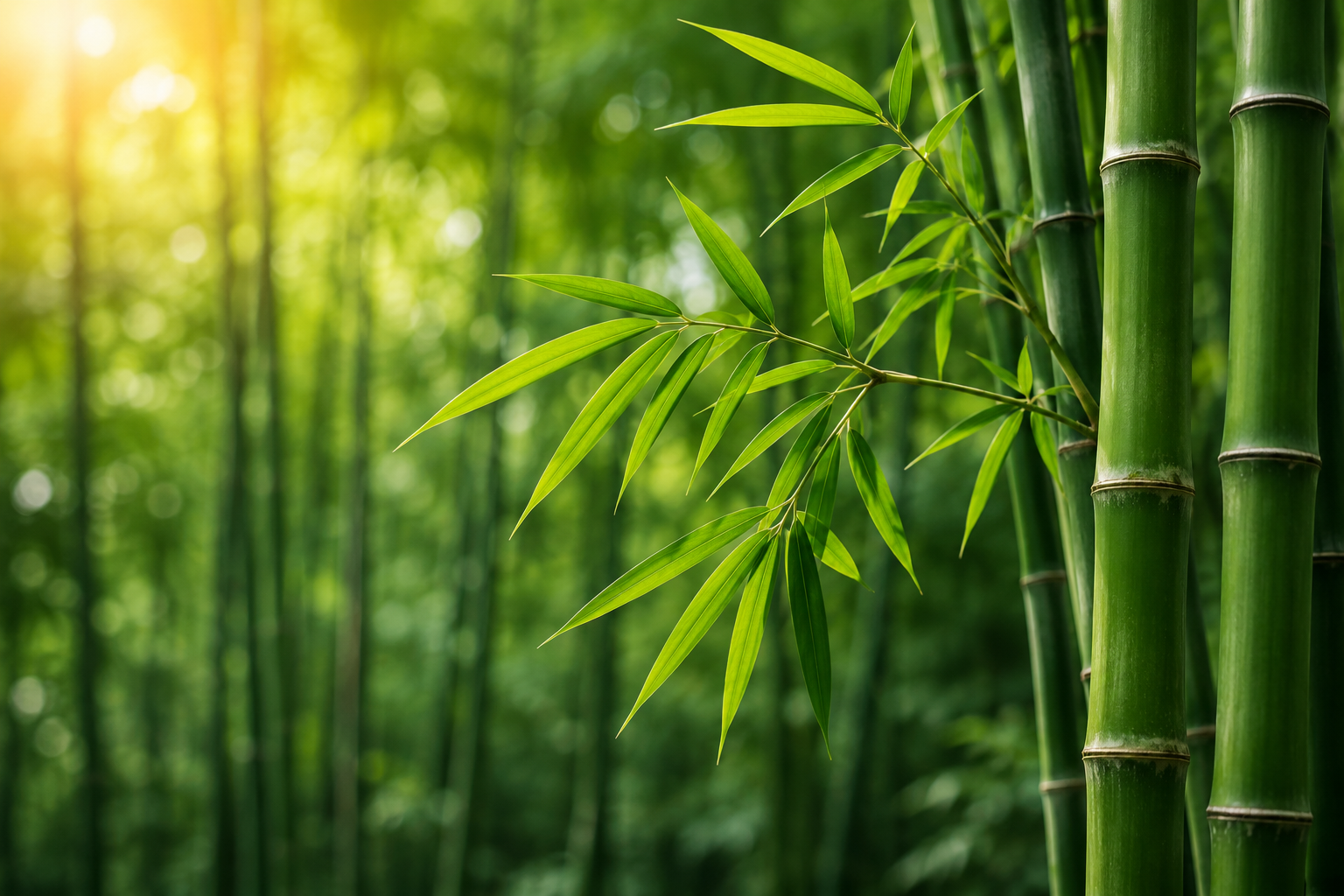
Every year on September 18, the world celebrates World Bamboo Day to raise awareness about the importance of bamboo in promoting environmental sustainability and supporting livelihoods. Often called “Green Gold,” bamboo is one of the fastest-growing plants on Earth and is known for its strength, versatility, and eco-friendly nature. The day encourages people, businesses, and governments to recognize bamboo as a renewable resource that can help address global environmental challenges such as climate change, deforestation, and plastic pollution.
History of World Bamboo Day
World Bamboo Day was established by the World Bamboo Organization in 2009 during the 8th World Bamboo Congress in Bangkok, Thailand. The observance was introduced to increase awareness of bamboo’s environmental, economic, and cultural significance. Since then, countries around the world have marked the occasion through plantation drives, educational programs, exhibitions, and community events that promote sustainable bamboo cultivation and responsible use.
Importance and Uses of Bamboo
Bamboo is one of nature’s most sustainable resources because it grows rapidly and regenerates naturally after harvesting without requiring replanting in many species. It absorbs carbon dioxide, releases oxygen, and helps prevent soil erosion with its extensive root system. Bamboo is widely used to manufacture furniture, flooring, paper, handicrafts, textiles, kitchen utensils, construction materials, and biodegradable products such as toothbrushes and straws. Bamboo shoots are also consumed as a nutritious food in many Asian countries, making the plant valuable for both industry and agriculture.
How World Bamboo Day is Celebrated
World Bamboo Day is celebrated through tree-planting campaigns, awareness rallies, workshops, exhibitions, and educational seminars. Schools, environmental organizations, and local communities organize activities that teach people about bamboo’s environmental benefits and practical applications. Many businesses also promote eco-friendly bamboo products, encouraging consumers to reduce their dependence on plastic and choose sustainable alternatives. Social media campaigns further help spread awareness about bamboo’s role in protecting the planet.
Conclusion
World Bamboo Day reminds us that simple, sustainable choices can have a lasting impact on the environment. As demand for renewable materials continues to grow, bamboo offers an eco-friendly solution for construction, household products, and everyday living. By planting bamboo, supporting bamboo-based industries, and choosing sustainable products, individuals can contribute to a greener future. This global observance inspires people to appreciate the value of bamboo and encourages collective efforts toward environmental conservation and sustainable development for future generations.