

Introduction
One of the greatest environmental issues in today’s world is plastic pollution. Every year millions of tons of plastic waste are deposited in oceans, rivers and other bodies of water. Plastic does not break down quickly in the environment and can stay there for hundreds of years. Marine life is among the most impacted from the pollution. The pollution of plastic waste is a threat to their survival, harmful to marine ecology and to the equilibrium of marine life. It is important to have an understanding of the impact of plastic waste on marine animals to help safeguard the health of our oceans and create a more sustainable future.
What are the sources of plastic pollution?What are the sources of plastic pollution?
There are many sources of plastic pollution in the oceans. Household wastes, plastic bags, bottles, packaging materials, fishing nets and industrial wastes are frequently found in rivers and oceans. Poor waste management systems and littering are important factors to the problem. Plastic waste is also being transported to marine environments by storm water and floods. This leads to vast quantities of plastic being washed into the oceans, and polluting coastal zones.
The negative impacts of this on marine life.
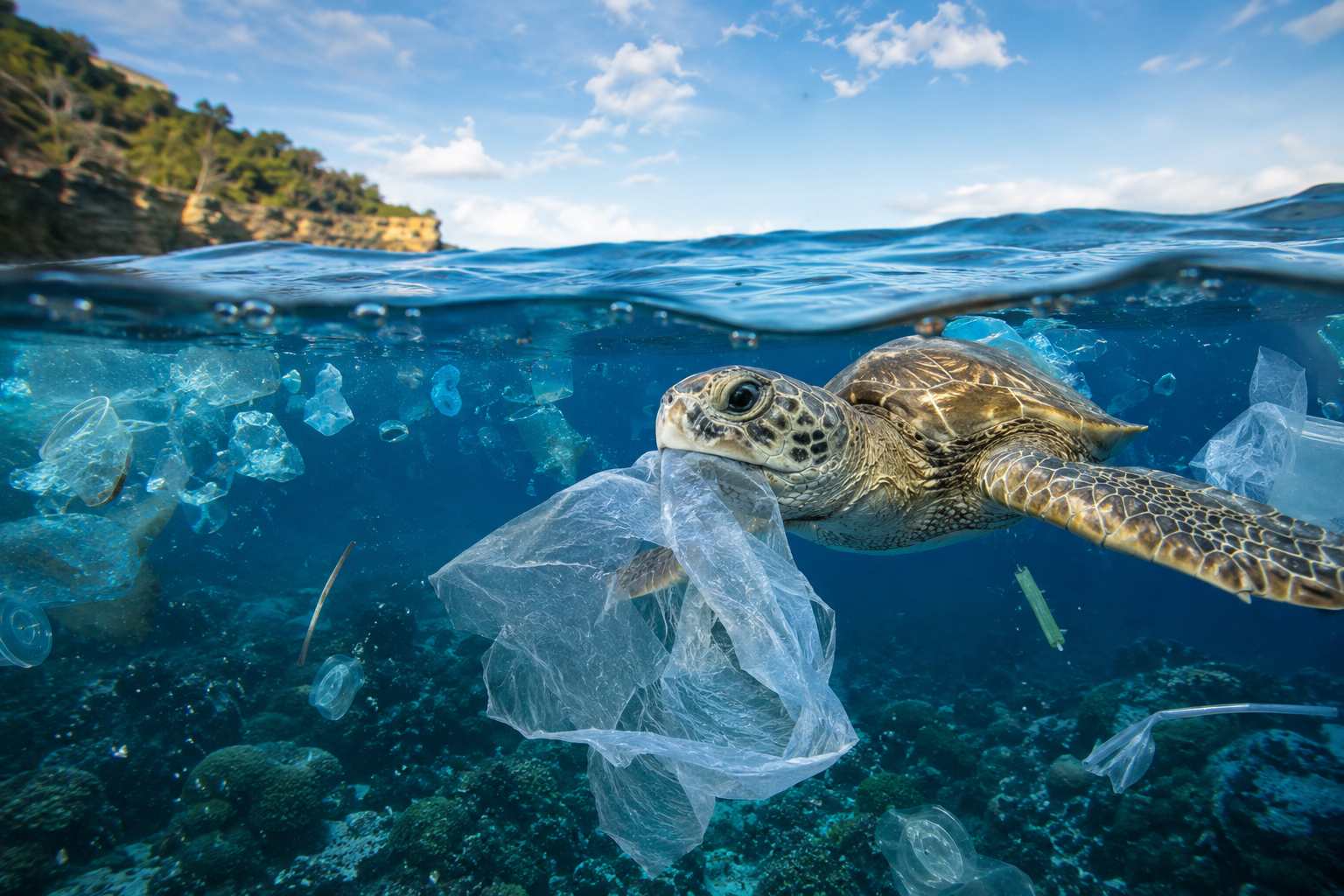
One of the most direct impacts of plastic pollution is on marine animals. Plastic objects are frequently confused as food by sea turtles, fish, seabirds, dolphins and whales. For instance, sea turtles might mistake plastic bags for jellyfish. Animals eat plastic that can clog their digestive tracts leading to starvation, malnutrition, and even death.
Ingestion of plastic may also cause internal injuries. Marine animals might be injured by sharp pieces of plastic in the stomach and intestines. Plastic ingestion can cause death in many animals due to inability to digest and eliminate it.
Entanglement and Injury
Fishing nets, fishing lines, and plastic rings are often caught in the nets of marine life. They are trapped in the tangle, making it difficult for them to move around and find food. It can also result in serious injury, infection and drowning.
Seals, dolphins, turtles and seabirds are especially at risk of entanglement. Kids may get stuck in plastic garbage and develop deformities as they grow. Entanglement often leads to exhaustion, injury, or being trapped from escaping predators and causes death in many instances.
Microplastics and Their Impact.
Eventually, these larger items of plastic become micro-plastics. Particles smaller than 5 mm in size, present in the oceans of the world. Small marine life like plankton, shellfish and small fish can readily ingest microplastics.
Microplastic go through the marine food chain as larger predators prey on these organisms. This is called bioaccumulation. Marine species can be impacted by the build-up of micro plastics in their bodies, affecting their health, growth and reproduction. May also add harmful chemicals to their systems.
Damage to Marine Ecosystems
Plastic pollution is not only a problem for individual animals, it is a problem for an entire marine ecosystem. Coral reefs are especially vulnerable because they host a variety of marine life. Plastic waste may be deposited on top of coral thus limiting its access to sunlight and increasing its susceptibility to disease.
Plastic wastes also harm seagrass beds and mangrove forests which serve as breeding and feeding grounds for marine life. The loss of these habitats leads to biodiversity and the ability to resist environmental changes are diminished.
Human Health & Economy Impacts
Plastic pollution doesn’t just impact marine organisms. Microplastics can be accidentally ingested into the human food chain by being eaten by humans. The long term health effects are still under study, but there are concerns about the chemicals in plastics.
The plastic pollution also impacts industries that rely on healthy oceans. Pollution reduces fish populations, having a negative impact on fishing communities. Beaches and coastal waters filled with plastic waste are a problem for tourism. Spending substantial amounts of resources on clean-up operations is essential for governments and communities.
Initiatives are being taken to curb plastic pollution.Steps are being taken to mitigate plastic pollution.
The urgency lies in everyone’s hands: individuals, businesses and governments are needed to reduce plastic pollution. Individuals can contribute to the cleanup by using less single-use plastics, recycling correctly and by joining beach cleanups. Companies can implement sustainable packaging and eco-friendliness.
Governments can reinforce waste management practices, encourage recycling initiatives, and enact measures to curb plastic waste. Coordinated international efforts are also necessary as pollution in the oceans is trans-boundary.
Educating and sensitizing are important in promoting responsible action. Knowing the impact of plastic pollution empowers people to take steps to safeguard the ocean.
Conclusion
Plastic pollution poses a major threat to marine life and ocean ecosystems. Inflicts harm, deaths, disrupts habitat and pollutes the marine food chain. As plastic waste increases in the oceans, it poses risks to biodiversity, the health of people, and economic activities. Solving this problem demands a cooperative effort from the world, proper waste collection, and conscious consumption. This will help minimize the environmental impact of plastics and promote the conservation of the ocean and marine resources for the benefit of future generations.