

Introduction
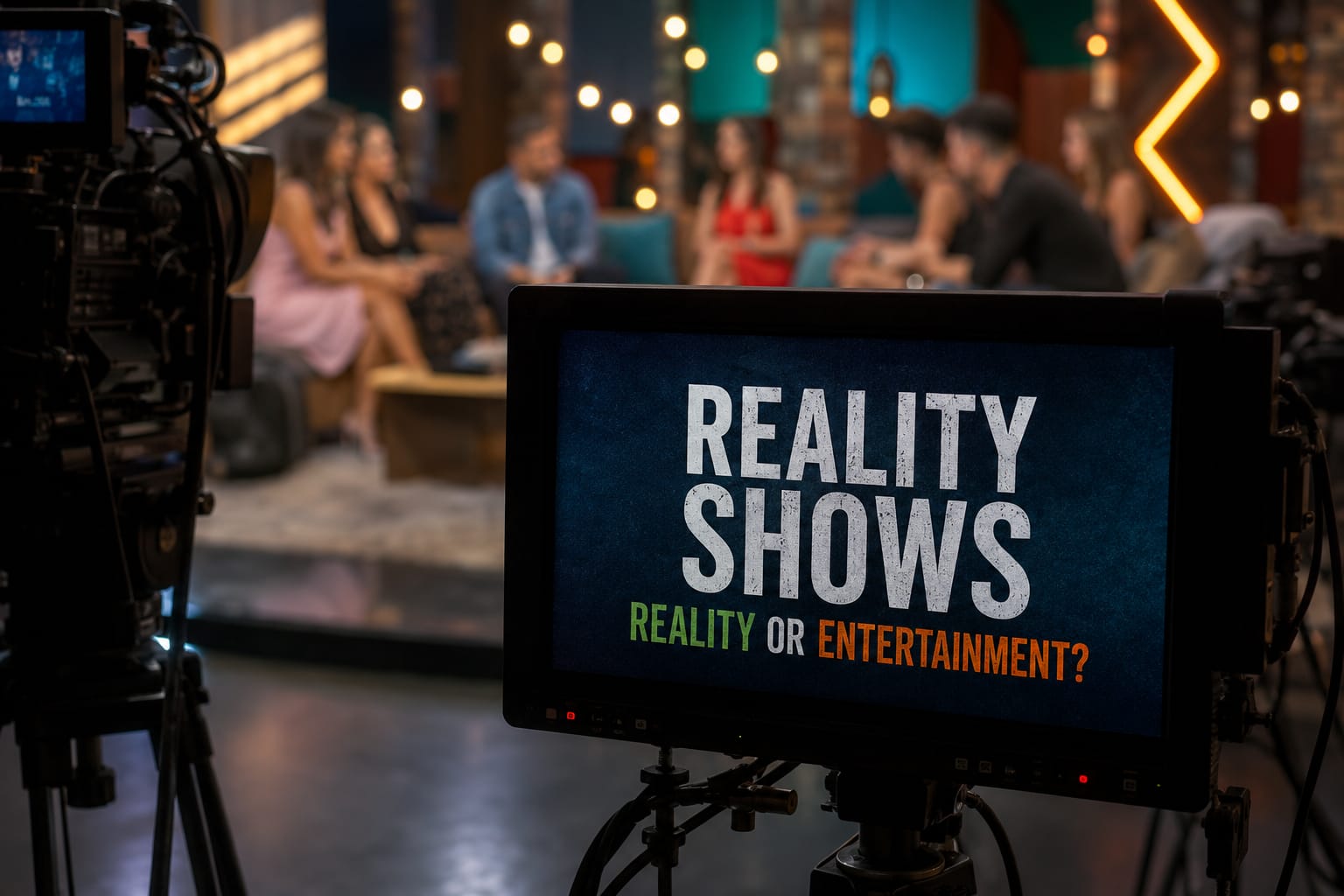
If you watch any TV channel in the evening, you’re likely to end up watching a reality show. There is a person crying after being eliminated, a group of strangers living together on an island or contestants sweating it out in a kitchen underneath a rampaging chef. Reality TV is dominating our screens – and our talk. But, what about the truth about it?
The rise of reality television
Reality shows have been around since the late 1990s with the launch of television programs such as Survivor, Big Brother, American Idol and many more. It was an easy idea, simply to place a human being (not an actor) in front of the camera, set them up in a scenario and let the show go on. Audiences loved it. It was a breath of fresh air to see common folk in extraordinary circumstances. It was very genuine and intimate, and it wasn’t a scripted play.
Now, the genre has mushroomed into dozens of sub-genre variations: dating shows, talent competitions, cooking contests, survival shows and even buying houses shows. The reality TV format is for every audience, which is why it’s never faded away.
What Makes It So Addictive?
Reality shows captivate you at once and drive you to keep watching. Much of this has to do with human emotion. Viewers relate to something that really happened when someone breaks down crying after an elimination or two people fall in love on screen. We have the tendency to observe people and feel emotions with them.
Not to mention the surprise factor. Scripted TV shows can’t — at least in the beginning — go anywhere, but reality TV can. A sudden turn of events or a good old fashioned battle is what keeps audiences captivated. Then there’s the social aspect: reality shows have a lot to discuss, at work, at school, and everywhere else! The debate over the winners of a singing contest has now become a pastime.
However, How Real Is It, Really?
Now the fun begins.
In the back of most viewers’ minds, there’s a bit of an awareness that it’s not all spontaneous. And they’re right. The big team of producers and editors behind every “unscripted” show is working hard to make it as entertaining as possible.
Contestants are provided with prompts by the producers. Re-shooting scenes for better angles. The 45-minute episode is the result of hours and hours of footage being cut and every element can get altered in the process. Through a combination of skillfully-cut scenes, context changes, and strategic music, a friendly character can be transformed into the season’s antagonist. It does not happen as frequently as people think.
The most apparent use is dating shows. People are meeting in upscale, fake environments and going on dates that aren’t real dates. The feelings might be sincere but the scene has been so carefully orchestrated that it’s almost impossible to tell the difference between what’s true and what’s been set up for impact.
The impact on real people
There are a lot of questions that aren’t spoken much about after the cameras stop.
People sign up for a variety of reasons, including the desire to become popular, to find opportunity, or just to have a good time. The emotional side, they don’t always expect, is constant filming and set-ups, having to be on set for fights, and being made up to look a certain way in front of millions of people. Others leave with their lives transformed for the better. Others endure online trolling, hurt reputations, and mental health issues that stay far longer than the season.
In recent years, due to some heartbreaking incidents involving former cast members, the responsibility of the production companies towards the cast of their show has been discussed a lot. While this is a welcome change, and an awareness of the real-world ramifications of reality television, some networks have recently begun offering mental health support and aftercare programmes.
So — Entertainment or reality?
It’s both and not both.
Reality TV tells a story with real people and real emotions, but molds them into the best reality TV experience possible. They’re real laughter, tears, friendships, rivalries, that’s real. The context, editing and narrative arc? It’s definitely a made-thing.
The issue is not that people like to watch reality TV shows, there’s nothing wrong with that. The issue is that when younger viewers and others begin to believe that what they see is a definitive representation of what real relationships look like, what real success is, or what real human behavior is. The division between entertaiment and reality is sometimes quite thin, so it is a good idea to stop and think that there’s a very good production team behind every “unscripted” moment.
See it, like it, cheer on your favourites. Remember, reality television reflects in a mirror, and that mirror has been bent just a little bit.