

Introduction
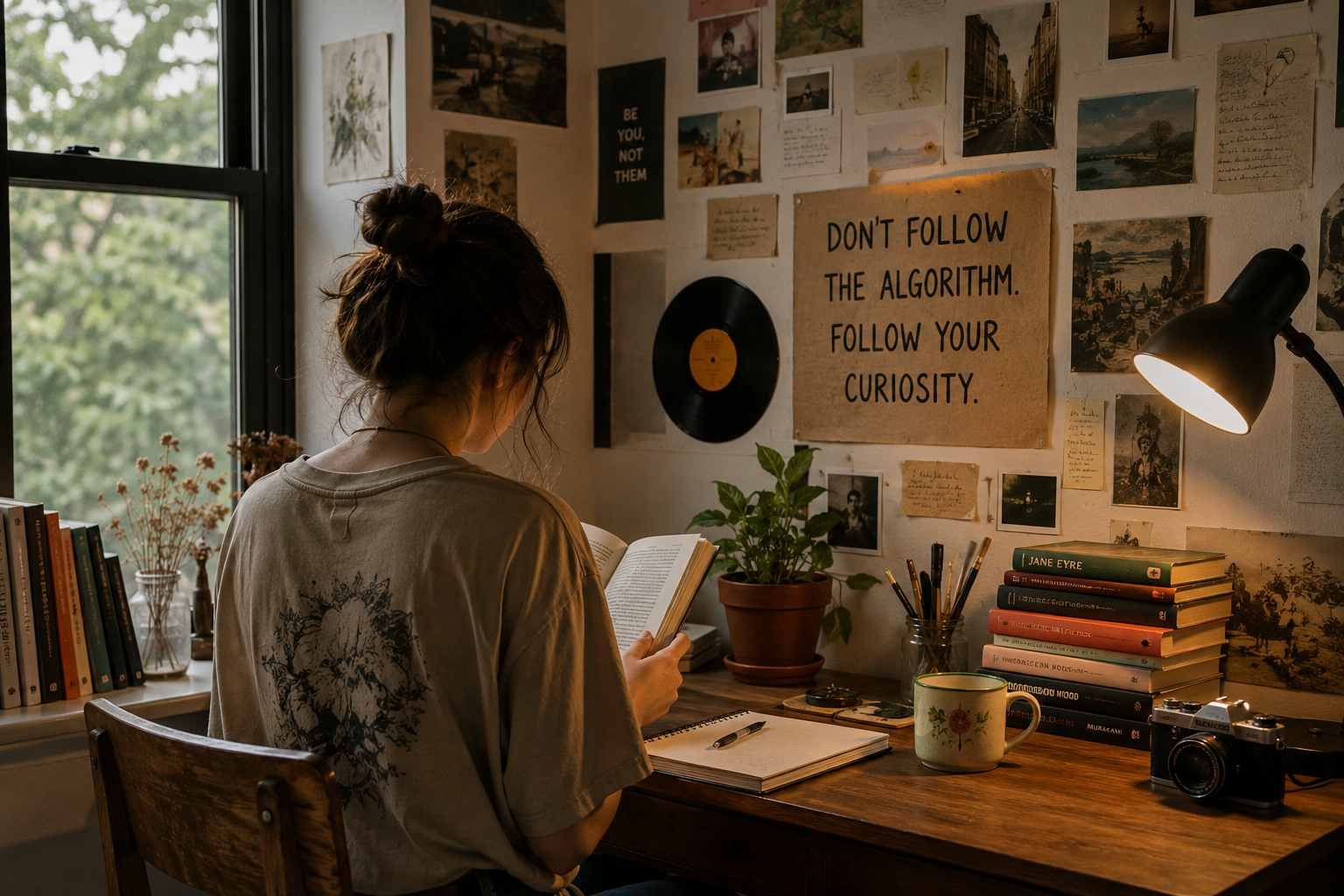
In today’s world our tastes, choices and even personal styles are often influenced by algorithms. Social media platforms constantly recommend content based on what we have liked, watched or searched for before. While this makes it easier to discover ideas it can also create a cycle where everyone is exposed to similar trends. As a result, many people are beginning to move from algorithm-driven culture and embrace what is known as the Anti-Algorithm Aesthetic.
The Anti-Algorithm Aesthetic is not a fashion trend, art style or lifestyle movement. Instead, it is a mindset that values individuality, unpredictability and personal expression over popularity and online approval. It encourages people to make choices based on interest rather than what is currently trending on their feeds.
Understanding the Influence of Algorithms
Algorithms are designed to keep users engaged. They analyze our behavior. Show us content that is likely to hold our attention. Whether it is fashion, music, books, travel destinations or home décor algorithms often shape what we see. Eventually what we like.
While there are benefits to recommendations there is also a downside. People may start consuming the content repeatedly leading to a narrowing of perspectives. Trends spread rapidly. Individuality can sometimes be replaced by imitation. A fashion style that becomes popular on media can suddenly appear everywhere making personal expression feel less unique.
Many individuals have started noticing this pattern. Are choosing to step away from it. This growing desire for originality has contributed to the rise of the Anti-Algorithm Aesthetic.
What Defines the Anti-Algorithm Aesthetic?
The Anti-Algorithm Aesthetic is difficult to define because it deliberately avoids fitting into a category. However, it is often characterized by authenticity, creativity and a willingness to explore beyond what algorithms recommend.
People who embrace this aesthetic may choose clothing based on taste rather than current trends. They may listen to music discovered through friends, local performances or random exploration of relying entirely on streaming recommendations. Similarly, they may read books from bookstores collect vintage items or engage with niche hobbies that are not widely promoted online.
The focus is not on rejecting technology but on making conscious choices. It is about being curious enough to look beyond the suggestions that constantly appear on our screens.
Fashion and the Rejection of Trend Cycles
One of the visible examples of the Anti-Algorithm Aesthetic can be seen in fashion. Social media has accelerated trend cycles causing styles to become popular and disappear within a matter of weeks. Many people feel pressured to keep up with these changes leading to consumption and waste.
In contrast the Anti-Algorithm approach encourages style over trend-following. Of buying clothes simply because they are viral individuals choose pieces that reflect their personality, values and long-term preferences. Vintage clothing, handmade accessories and thrifted items often become part of this approach because they offer uniqueness and individuality.
This shift also supports sustainability by reducing the need for purchases driven by temporary online trends.
Creativity Beyond Digital Validation
The Anti-Algorithm Aesthetic extends beyond fashion into art, photography, writing and other creative fields. Social media platforms often reward content that follows patterns because it is more likely to gain engagement. As a result creators may feel pressure to produce work that fits formats rather than experimenting with new ideas.
Those who embrace the Anti-Algorithm mindset often prioritize creativity over visibility. They create because they enjoy the process not because they expect likes, shares or viral success. This freedom allows for experimentation and originality.
Many artists and writers find that stepping away from the pressure of algorithms helps them reconnect with their voice and creative interests.
The Desire for Authentic Experiences
Another reason for the popularity of the Anti-Algorithm Aesthetic is the growing desire for experiences. People are becoming more aware of how time they spend online and how heavily their choices are influenced by digital platforms.
As a result, many are seeking activities that feel more personal and meaningful. They visit cafés instead of viral tourist spots attend community events explore independent businesses and discover hobbies through real-world interactions. These experiences often feel more memorable because they are driven by curiosity rather than online popularity.
The movement reflects a desire to reconnect with the physical world and make choices based on personal values.
Challenges of Going Against the Algorithm
Although the Anti-Algorithm Aesthetic promotes individuality it is not always easy to practice. Algorithms are deeply integrated into life and avoiding their influence entirely is nearly impossible. Most people still use media, streaming platforms and online shopping services.
The challenge lies in maintaining awareness. It requires questioning why we like things and whether our preferences are truly our own. This level of self-reflection can be difficult in an environment where trends are constantly competing for attention.
However, even small efforts to explore beyond recommendations can lead to more diverse experiences and a stronger sense of personal identity.
Conclusion
The Anti-Algorithm Aesthetic is not about rejecting technology or avoiding media altogether. Instead, it is about reclaiming individuality in a world increasingly shaped by recommendations. By valuing authenticity, curiosity and personal expression people can make choices that reflect who they truly are than what algorithms predict they will like.
As technology continues to influence life the desire, for originality is likely to grow. The Anti-Algorithm Aesthetic reminds us that some of the meaningful discoveries happen when we step outside our digital comfort zones and explore the world on our own terms.