

Introduction
The importance of education in personal and professional development has been there all along. Technology has modified the way people learn and glean information over the years. Online learning is among the most noteworthy advancements in the education system. Online learning is a teaching approach that enables students to learn via the internet, via computers, tablets or smart phones. It has been gaining popularity due to its flexibility, convenience, and a wide array of learning resources available.
The digital world we live in has made online learning an important way for people to learn, grow new skills and acquire knowledge. It has helped to make education more accessible to students from various backgrounds and locations. Technology advances and online learning is fast becoming a part of education today.
So what is Online Learning?
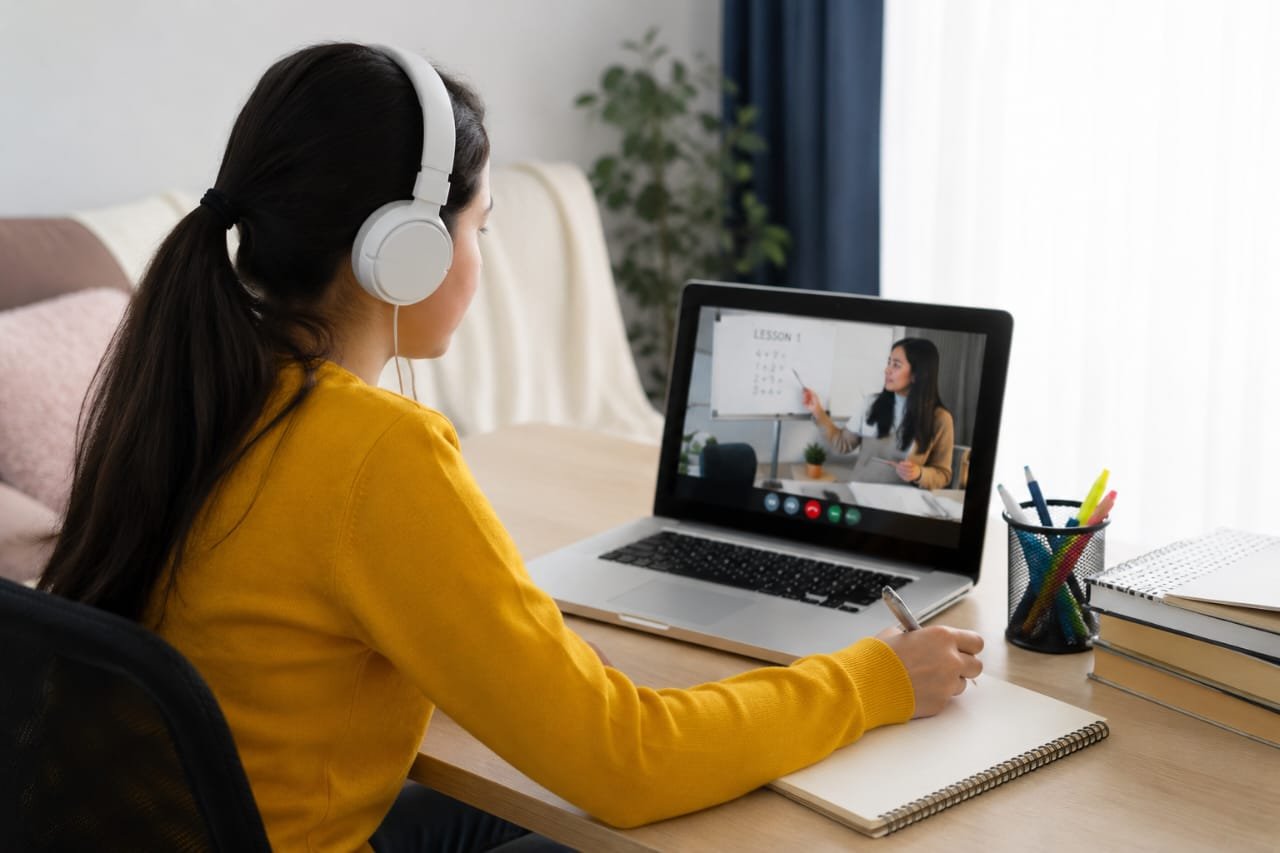
Online learning is a form of learning that occurs via the Internet on a computer. Students will learn online, rather than in a classroom setting, by accessing the lesson, assignments, videos, and study material. They can study from home or any place that has an internet connection.
Online learning may include live virtual classes, recorded lectures, interactive classes, and online tests. Online courses are now available at many schools, colleges, universities and training institutions to learn flexibly and conveniently.
Accessibility and Convenience
The first thing that salutes the online learning experience is the accessibility. Students have access to educational resources from all over. This is especially beneficial for people who live in remote areas or have limited access to educational institutions.
The online learning also offers convenience. Learners are able to learn from the comfort of their own time and at their own speed. This allows working people, parents and those with other commitments to study.
Flexibility in Learning
Many traditional classrooms have rigid schedules. Unlike online learning, however, students do not get to control their own time. They are able to revise lessons, access recorded lessons and assignments, and work on them at their own time and pace.
This is very convenient for students as it allows them to arrange their studies according to their other responsibilities. It also fosters independence in learning and self-responsibility, which are key skills for academic and professional success.
A wide array of resources is available to access. There is access to a variety of resources.
Access to a wealth of learning material is available on the internet. Students can access video lectures, electronic books, research articles, on-line libraries, and interactive learning resources to enhance their knowledge of various topics.
Also, there are a lot of courses available online that are offered by experts and educators from different parts of the world. This provides students with chances to learn from highly qualified individuals, as well as explores subjects that may not be offered in the classroom setting.
Cost-Effective Education
The cost of online learning can be less expensive than in-person learning. Students can save on travel and lodging costs plus print study materials. There are many online courses on the offer at lower prices and some educational resources are even free.
This is cost effective and makes education more available to more people. Consequently, many more can develop their skills and qualifications without being put at a big disadvantage financially.
Developing skills online
Online learning teaches students valuable skills that are relevant in today’s society. Students are taught to apply academic skills in addition to digital skills, carry out online research, manage time and communicate effectively using technology.
These abilities are very useful in today’s working environment, where digital literacy and flexibility are key. Students feel more confident to use technology and solve problems independently by engaging in online learning.
Challenges of Online Learning
While online learning has a number of advantages, they are not without their drawbacks. The difficulty in getting face to face interaction is one common problem. Some students may not have the social and face-to-face interaction that is found in a traditional classroom.
One is to stay motivated and disciplined. Students may get their learning from outside the classroom so it’s important they remain focused and time their learning. Poor Internet connections or the absence of devices may also impact learning.
Many of these challenges can be overcome by many with proper planning, educator support and adequate access to reliable technology, however.
The Future of Online Learning
Online learning is heading for a bright future. The use of technology is increasingly improving digital learning. The learning experience is supposed to go even further with the use of Artificial Intelligence, virtual reality and personalized learning systems.
Many schools are adopting blended learning models that have an online component to their learning alongside classroom learning. Students would get the advantages of both brick and mortar learning and digital learning.
With the advancement of technology online learning will increasingly become a central part of education globally.
Conclusion
The way people learn and gain new skills has changed greatly with the advent of online learning. It is flexible, convenient, cost-effective and provides access to many education resources. It has opened up learning to some people that were not able to attend traditional schools.
There are advantages and disadvantages to online learning, but the advantages are great. If used appropriately and responsibly, online learning can enable individuals to learn and obtain the education and skills they desire to attain academic and career success. With the increasing digitalization of the world, online learning is not a mere replacement of classroom learning but a necessary instrument for lifelong learning and personal growth.