

Introduction
Stress is a natural part of life and affects people of all ages. Whether it stems from work responsibilities, financial concerns, academic pressure, health issues, or personal relationships, stress can have a significant impact on both physical and mental well-being. While a certain amount of stress can motivate individuals to perform better, excessive or chronic stress can lead to anxiety, depression, sleep problems, and various health complications. Understanding effective stress management techniques is essential for maintaining a balanced and healthy lifestyle. By learning how to recognize stress and implement practical coping strategies, individuals can improve their overall quality of life and emotional resilience.
What Is Stress?
Stress is the body’s natural response to challenges, demands, or perceived threats. When faced with a stressful situation, the body releases hormones such as adrenaline and cortisol, triggering the “fight-or-flight” response. This reaction prepares the body to respond quickly to potential danger.
While short-term stress can be beneficial in certain situations, prolonged stress can negatively affect physical health, emotional stability, and productivity. Common symptoms of stress include headaches, fatigue, irritability, difficulty concentrating, muscle tension, and sleep disturbances.
Identifying the Sources of Stress
The first step in managing stress is identifying its causes. Stress triggers vary from person to person and may include workplace pressures, family responsibilities, financial difficulties, health concerns, or major life changes.
Keeping a stress journal can help individuals recognize patterns and identify situations that consistently cause stress. Once the primary sources are identified, it becomes easier to develop strategies for managing or reducing their impact.
Practice Deep Breathing Techniques
Deep breathing is one of the simplest and most effective stress management techniques. When people experience stress, their breathing often becomes shallow and rapid, which can increase feelings of anxiety.
Practicing slow, deep breathing helps activate the body’s relaxation response. Techniques such as diaphragmatic breathing, box breathing, or the 4-7-8 breathing method can lower heart rate, reduce tension, and promote a sense of calm. Just a few minutes of focused breathing each day can significantly improve stress levels.
Engage in Regular Physical Activity
Exercise is a powerful tool for managing stress. Physical activity stimulates the production of endorphins, often referred to as “feel-good” hormones, which help improve mood and reduce stress.
Activities such as walking, jogging, swimming, cycling, yoga, or strength training can help relieve tension and boost mental well-being. Regular exercise not only reduces stress but also improves sleep quality, energy levels, and overall health.
Maintain a Healthy Lifestyle
Healthy lifestyle habits play a crucial role in stress management. Eating a balanced diet rich in fruits, vegetables, whole grains, and lean proteins provides the body with the nutrients needed to function effectively.
Adequate sleep is equally important. Lack of sleep can increase stress levels and make it more difficult to cope with daily challenges. Adults should aim for seven to nine hours of quality sleep each night. Limiting caffeine, alcohol, and excessive screen time before bed can also contribute to better rest and reduced stress.
Practice Mindfulness and Meditation
Mindfulness involves focusing on the present moment without judgment. It helps individuals become more aware of their thoughts and emotions, reducing the tendency to dwell on past events or worry about the future.
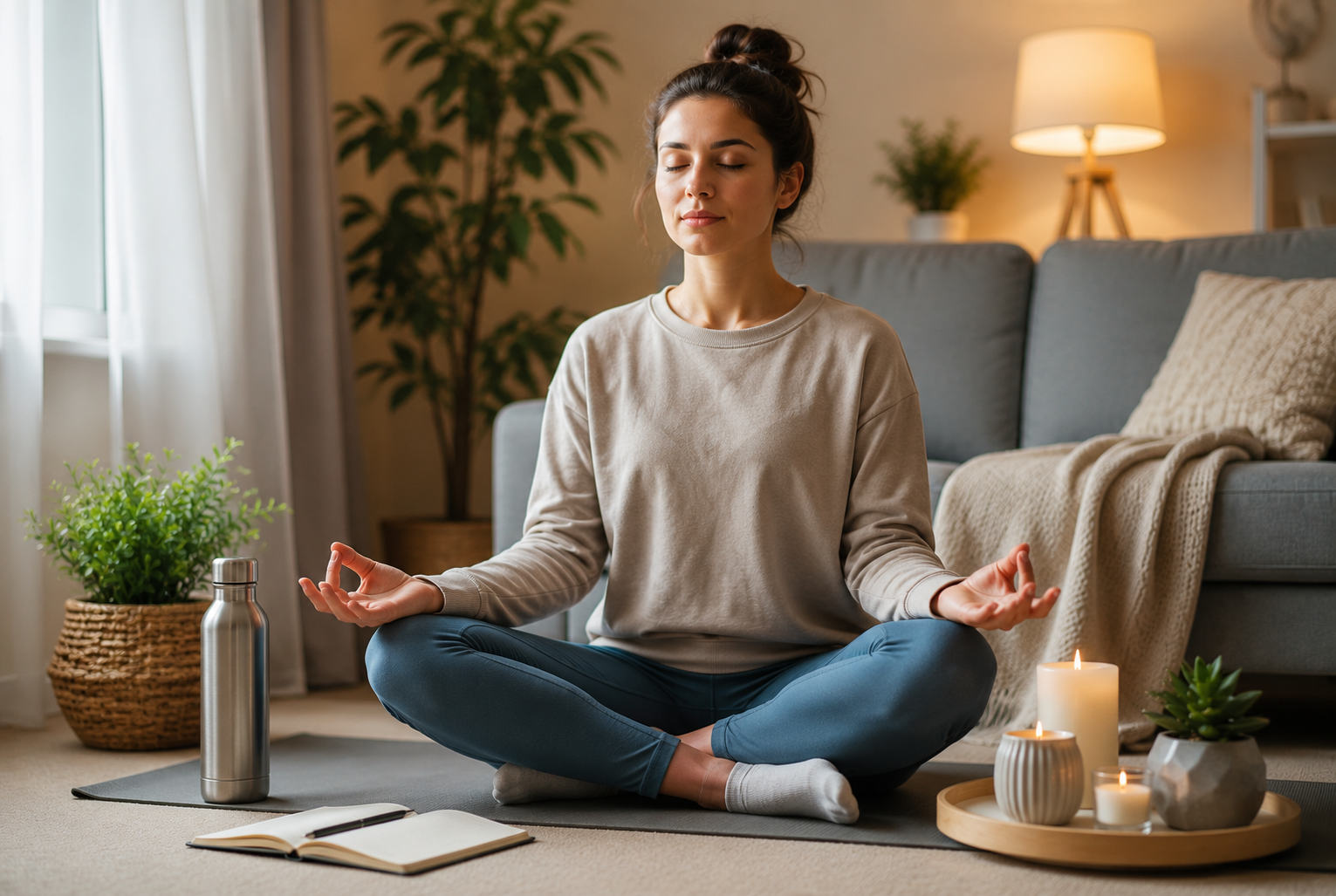
Meditation is a popular mindfulness practice that can significantly reduce stress and anxiety. Even spending ten to fifteen minutes each day in quiet meditation can improve concentration, emotional regulation, and overall mental health. Guided meditation apps and relaxation exercises can make mindfulness easier for beginners.
Improve Time Management Skills
Poor time management often contributes to feelings of stress and overwhelm. Learning to prioritize tasks, set realistic goals, and create organized schedules can help individuals manage responsibilities more effectively.
Breaking large tasks into smaller, manageable steps can reduce anxiety and improve productivity. Using planners, calendars, or digital productivity tools can help individuals stay organized and avoid last-minute pressure.
Build Strong Social Connections
Supportive relationships are essential for emotional well-being and stress management. Talking to friends, family members, or trusted colleagues can provide comfort, perspective, and practical advice during difficult times.
Social interactions help reduce feelings of isolation and promote a sense of belonging. Spending time with loved ones, participating in community activities, or joining support groups can strengthen emotional resilience and reduce stress levels.
Learn Relaxation Techniques
Relaxation techniques help calm the mind and body, making it easier to cope with stressful situations. Popular methods include progressive muscle relaxation, guided imagery, aromatherapy, and listening to calming music.
These techniques encourage physical relaxation, lower blood pressure, and decrease stress hormone levels. Incorporating relaxation practices into a daily routine can improve emotional balance and overall well-being.
Seek Professional Support When Needed
While self-help strategies are effective for many people, some individuals may require professional support to manage chronic or severe stress. Mental health professionals, counselors, and therapists can provide guidance, coping strategies, and treatment options tailored to individual needs.
Seeking help is a proactive step toward better mental health and should not be viewed as a sign of weakness. Early intervention can prevent stress from developing into more serious emotional or physical health problems.
Conclusion
Stress is an unavoidable part of life, but it does not have to control one’s well-being. Understanding stress management techniques allows individuals to respond more effectively to life’s challenges and maintain a healthier balance. By identifying stress triggers, practicing relaxation methods, exercising regularly, improving time management, and building supportive relationships, people can reduce stress and improve their overall quality of life. Developing these healthy habits not only enhances mental and physical health but also increases resilience, enabling individuals to navigate difficult situations with greater confidence and calm.