

Introduction
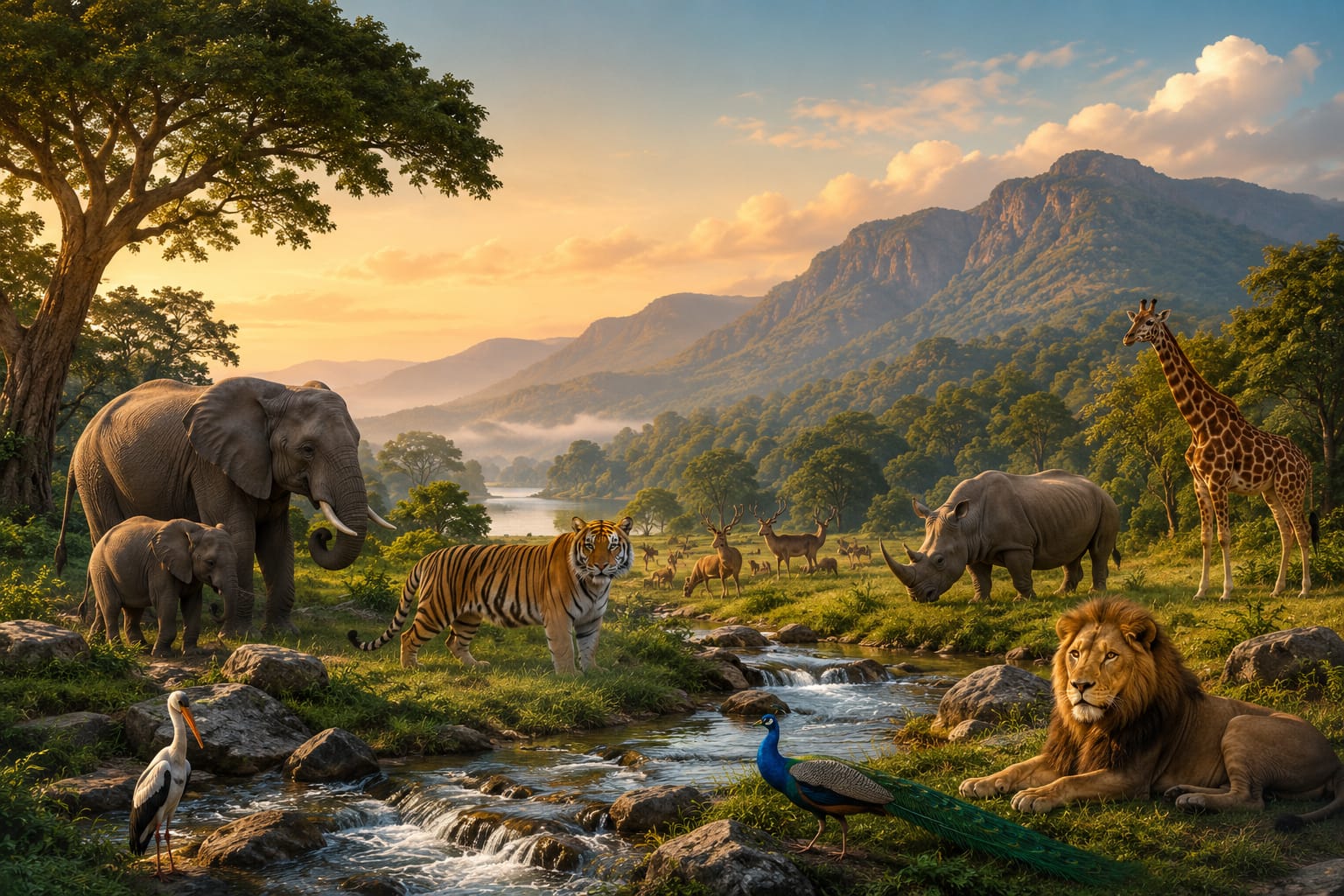
Wildlife conservation is the protection of wildlife, wild plants and their habitats. It seeks to achieve biodiversity and ensure that species are able to survive in their ecosystems. Wildlife is essential to ecological balance, livelihoods and a beautiful nature. But the expansion of cities, deforestation, climate change, pollution and illegal hunting have endangered many species. Hence, the conservation of wildlife is now an imperative of governments, organisations and individuals across the world.
The significance of conserving wildlife.Why is it important to conserve wildlife?
Wildlife plays a major role in the well-being of ecosystems. Each species has its own niche in balancing the ecosystem. Predators help to regulate prey populations; pollinators facilitate plant reproduction; decomposers return nutrients to the soil. However, the loss of any one species can lead to a collapse of the entire ecosystem.
Protection is also beneficial to Man. Ecosystems offer clean air, fresh water, fertile soil and natural resources. Plants and animals are used in the wild to produce many medicines. Also, wildlife tourism provides source of income and jobs for the local people.
Threats to Wildlife
1. Habitat Loss
Habitat Loss is a major threat to wildlife. Wildlife is deprived of its food, water and habitat due to deforestation for agriculture, industry, and urban development.
2. Climate Change
Climate change, precipitation, and extreme weather conditions impact wildlife habitat. Few species can cope with them and adapt to these fast changing environmental modifications.
3. Pollution
Pollution of air, water and soil is bad for animals and plants. Ecosystems can be polluted, and wildlife can be threatened, by plastic waste, chemical spills, and industrial emissions.
5. Over fishing in the lake
Many species are threatened by the illegal harvesting of fur, horns, tusks, skins and exotic pets. Elephants, rhinos and tigers are common game for poachers.
6. Participation in Organized Labor and the Existence of Trade Unions7. Child Labor and the Repression of Child Labor
Too many people catch fish, too many cut trees, too many hunt wildlife, resulting in decreased wildlife populations and harm to the ecosystems. Use of resources must be sustainable so that they do not run out.
Methods of conserving wildlife.
Protected Areas
Animals and plants have safe habitats in National parks, wildlife sanctuaries and biosphere reserves. The protected areas contribute to the maintenance of biodiversity and the prevention of habitat destruction.
Wildlife Laws and Regulations
Legislation has been enacted to safeguard threatened species and control hunting and trade. The law is enforced strictly, which helps to curb poaching and illegal activities.
Conservation Breeding Programs
Breeding programs are held at zoos and wildlife centers for endangered species. The purpose of these programs is to enhance the population and reintroduce animals to the wild.
Habitat Restoration
Rehabilitation of degraded forests, wetlands and grasslands contributes to the recovery of wildlife. The rehabilitation of ecosystems and planting of trees enhances habitats and biodiversity.
Public Awareness and Education
Educating the people about the importance of wildlife conservation encourages responsible behavior. Awareness programs encourage community involvement in conservation activities.
The role of technology in conservation.The importance of technology for conservation.
The conservation of wildlife has been improved by the use of modern technology. Researchers use satellite tracking, drones and camera traps to monitor animal movements and habitat. Data analysis and artificial intelligence help to detect threats and create an effective conservation plan. These innovations help to respond faster to the environment’s challenges and to illegal activities.
The Natural Management of Wildlife in India
India is one of the most biologically diverse countries in the world with many species of mammals, birds, reptiles and plants. The government has undertaken several conservation measures such as Project Tiger, Project Elephant and many other wildlife protection program. National parks and sanctuaries like Jim Corbett National Park, Kaziranga National Park and Ranthambore National Park are very important in conserving endangered species.
However, wildlife is still under threat from habitat fragmentation, conflict between humans and wildlife, and illegal trade. Ongoing conservation efforts and community involvement are crucial for safeguarding India’s diverse natural heritage.
What people can do to help.
Wildlife conservation is something that anyone can do in a simple way:
Do not use products containing endangered animals.
Consume less plastic and recycle plastic waste.
Help conserve the environment and animal protection initiatives.
Plant a tree, volunteer with the environment.
Report any illegal wildlife activities to authorities.
Raise awareness on nature conservation.
Individual actions can add up to make a difference for the conservation of wildlife.
Conclusion
Conservation of wildlife is important to maintain ecological balance, biodiversity and ensure a sustainable future. Our actions to preserve and minimize threats to their habitats are vital to the survival of many species. It is essential that governments, conservation organisations and individuals collaborate to ensure the conservation of wildlife for future generations. Through responsible action now, we can help to build a world where humans and wildlife live in harmony and prosper.