

Introduction
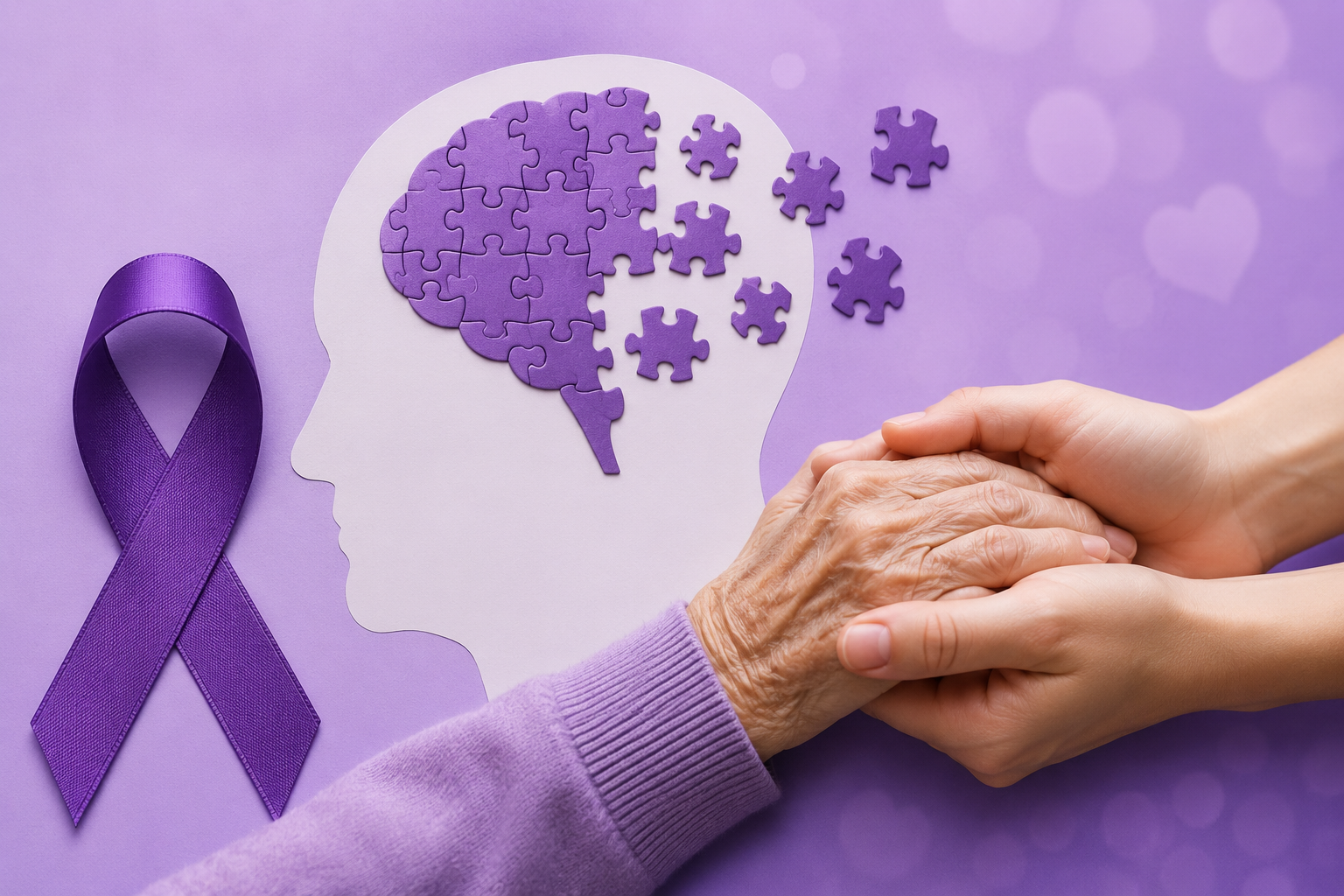
World Alzheimer’s Day is observed every year on 21 September to raise awareness about Alzheimer’s disease and other forms of dementia. The day encourages people to understand the condition, recognize its early signs, and support those living with memory-related illnesses. It also highlights the importance of reducing stigma and promoting better care for patients and caregivers.
What is Alzheimer’s Disease?
Alzheimer’s disease is the most common type of dementia. It is a progressive brain disorder that affects memory, thinking, reasoning, and behavior. Although it mainly affects older adults, it is not a normal part of aging. As the disease progresses, individuals may find it difficult to remember recent events, communicate effectively, or perform everyday tasks independently.
Common Symptoms
Some common symptoms of Alzheimer’s include:
- Frequent memory loss
- Confusion about time or place
- Difficulty solving problems
- Trouble completing familiar daily tasks
- Changes in mood or personality
- Withdrawing from social activities
These symptoms usually develop gradually and worsen over time. Early diagnosis is important because it allows individuals and families to access treatment, support services, and future care planning.
Tips to Support Brain Health
While there is currently no cure for Alzheimer’s disease, adopting healthy lifestyle habits may help support brain health and reduce the risk of cognitive decline. These include:
- Exercising regularly
- Eating a balanced diet
- Getting enough quality sleep
- Keeping the mind active through reading, puzzles, or learning new skills
- Staying socially connected
- Managing blood pressure, diabetes, and cholesterol
These habits contribute to better overall brain and heart health.
Supporting People with Alzheimer’s
Caring for someone with Alzheimer’s requires patience, understanding, and compassion. Family members and caregivers often provide emotional support, assist with daily routines, and help create a safe and comfortable environment. Caregivers should also look after their own well-being by seeking support from healthcare professionals, family members, or caregiver support groups when needed.
Why World Alzheimer’s Day Matters
World Alzheimer’s Day reminds us that dementia affects millions of people and families worldwide. By spreading awareness, encouraging early diagnosis, reducing stigma, and supporting ongoing medical research, communities can help improve the lives of those affected. Every act of understanding and kindness helps create a more inclusive society.
Conclusion
On this World Alzheimer’s Day, let us work together to build a society that is informed, compassionate, and supportive. Raising awareness today can help ensure that people living with Alzheimer’s receive the respect, care, and dignity they deserve while inspiring continued efforts toward better treatments and future breakthroughs.