

Introduction
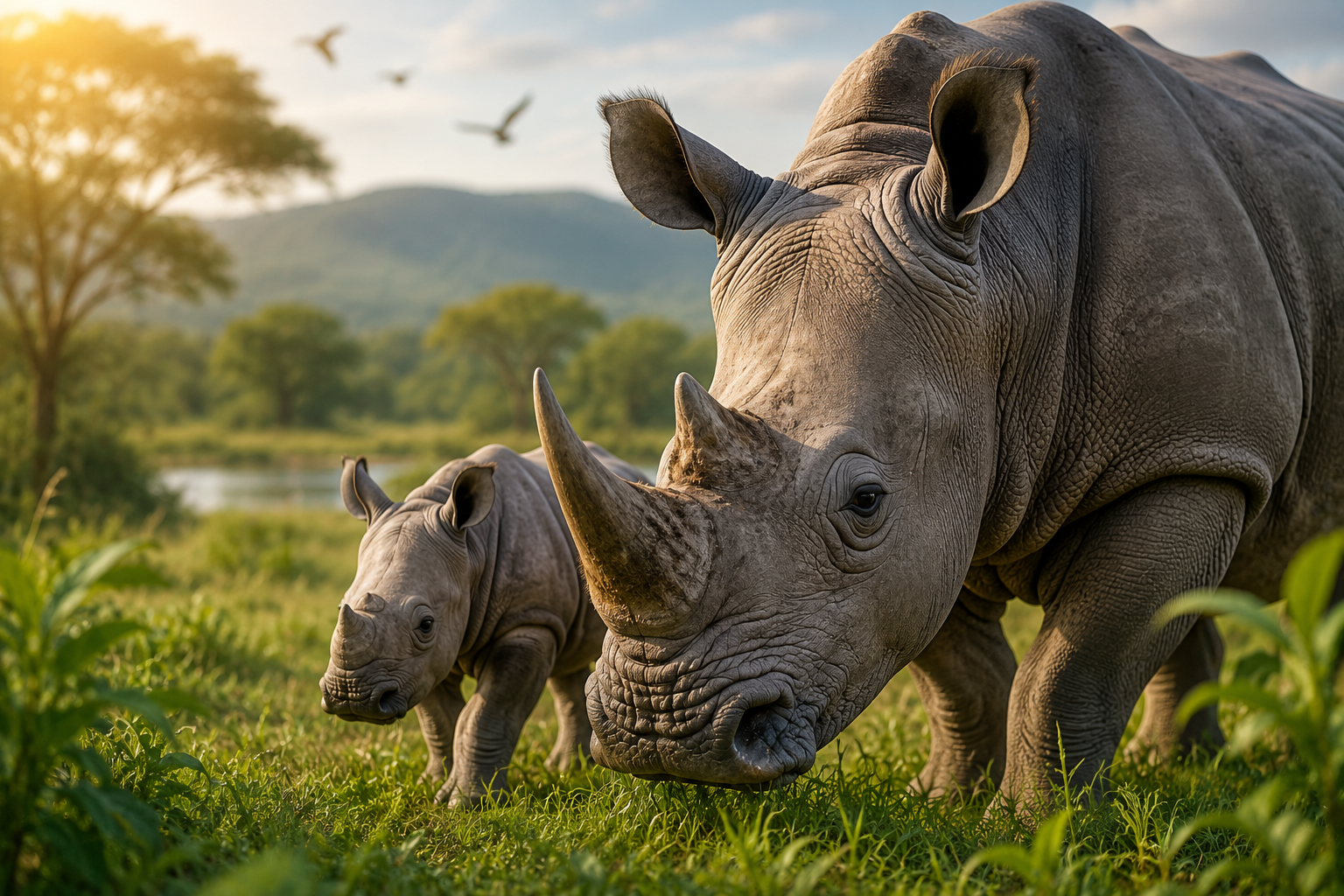
Every year on 22 September, the world celebrates World Rhino Day to raise awareness about the conservation of one of Earth’s most iconic yet endangered animals—the rhinoceros. The day highlights the urgent need to protect all five rhino species from threats such as poaching, habitat loss, and illegal wildlife trade. Governments, conservation organizations, zoos, and wildlife enthusiasts come together to educate people and promote actions that help secure a future for rhinos.
Why World Rhino Day Matters
World Rhino Day was established in 2010 and has since become a global event dedicated to rhino conservation. Rhinos play a crucial role in maintaining healthy ecosystems by shaping vegetation, dispersing seeds, and supporting biodiversity.
Despite their importance, rhino populations have declined significantly over the past century. Illegal poaching for rhino horns remains one of the greatest threats, while expanding human settlements continue to reduce their natural habitats.
The Five Rhino Species
There are five living species of rhinos found across Africa and Asia:
- White Rhino – The largest rhino species, mainly found in southern Africa.
- Black Rhino – Native to eastern and southern Africa and critically threatened by poaching.
- Greater One-Horned Rhino – Found in India and Nepal, with successful conservation efforts helping its population recover.
- Javan Rhino – One of the world’s rarest mammals, surviving only in Indonesia.
- Sumatran Rhino – The smallest rhino species and critically endangered due to habitat fragmentation and low population numbers.
How We Can Help Protect Rhinos
Everyone can contribute to rhino conservation through simple but meaningful actions:
- Support reputable wildlife conservation organizations.
- Never purchase products made from rhino horns.
- Spread awareness about the importance of protecting endangered wildlife.
- Encourage sustainable tourism that supports conservation efforts.
- Participate in educational events and campaigns on World Rhino Day.
Small actions, when combined globally, can make a significant difference in safeguarding rhino populations.
Theme and Global Conservation Efforts
While World Rhino Day does not always have an official global theme, each year focuses on strengthening conservation initiatives, combating wildlife crime, and encouraging international cooperation. Protected reserves, anti-poaching patrols, scientific research, and breeding programs have helped several rhino populations recover, demonstrating that conservation efforts can succeed with continued support.
Conclusion
World Rhino Day reminds us that protecting wildlife is a shared responsibility. Rhinos have survived for millions of years, but today they face unprecedented challenges caused by human activity. By raising awareness, supporting conservation efforts, and promoting responsible environmental practices, we can help ensure these magnificent animals continue to thrive for generations to come. Every action, no matter how small, contributes to securing a safer future for rhinos and the ecosystems they call home.