


New Cases Continue to Raise Concerns
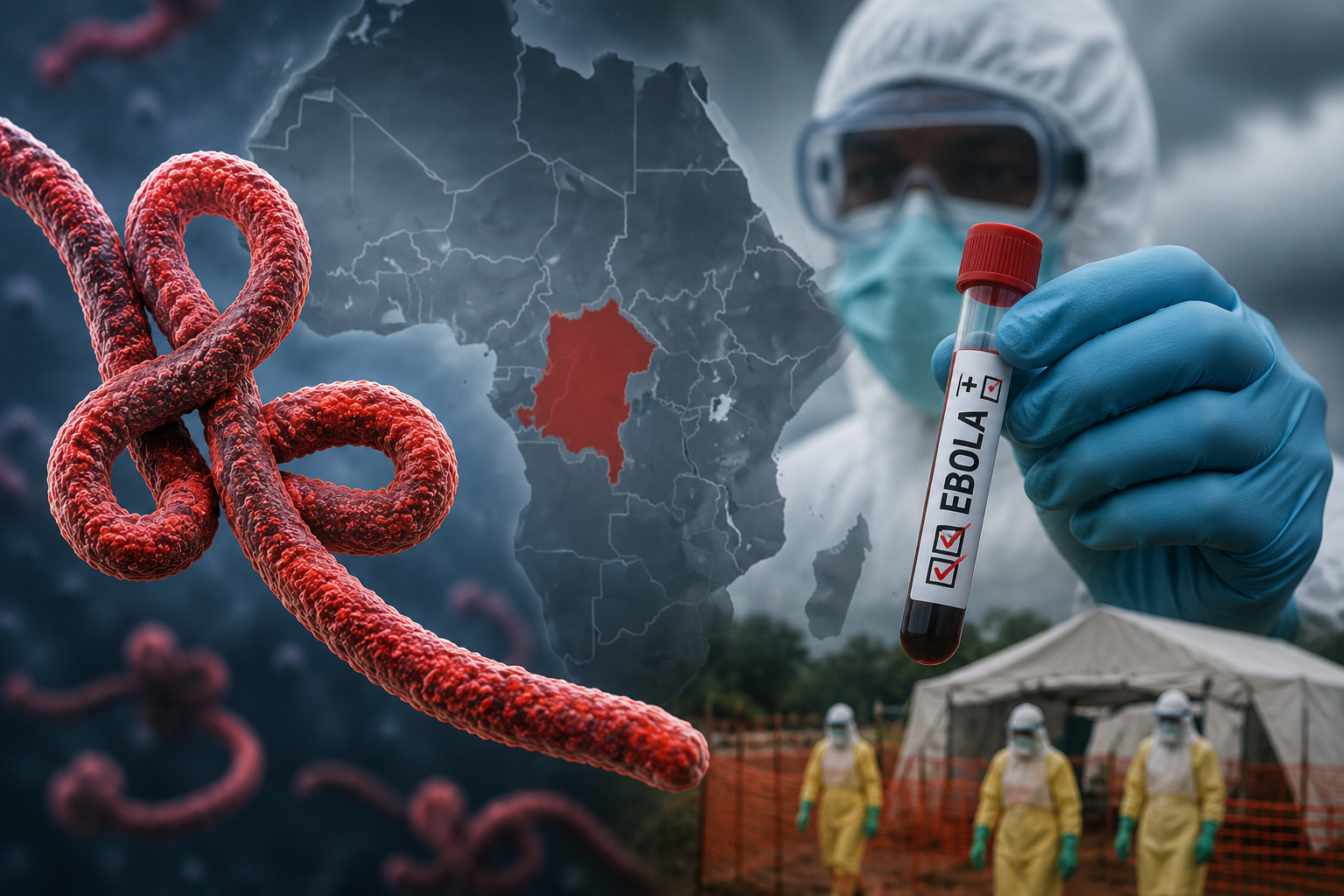
The Ebola outbreak in Central Africa remains one of the biggest health challenges of 2026. The outbreak involves the Bundibugyo strain of the Ebola virus and has affected communities in Uganda and nearby regions. Health officials continue to report new cases despite ongoing efforts to control the disease.
The situation has prompted a strong response from national governments and international health organizations. Medical teams are working to identify infected people, provide treatment, and stop further spread.
WHO Declares Global Health Emergency
The World Health Organization (WHO) has classified the outbreak as a Public Health Emergency of International Concern. This designation highlights the risk of the virus spreading beyond the affected areas.
Health experts remain concerned about movement across borders. Many people travel through informal crossing points, making it difficult for authorities to monitor potential infections.
Stronger Screening and Monitoring Measures
Governments in the region have increased health screening at major border checkpoints. They have also expanded surveillance systems to detect new cases quickly.
Public health teams continue to educate communities about Ebola symptoms and prevention measures. Early reporting and medical care play a key role in controlling the outbreak.
Vaccine Development Gains Momentum
Global health agencies and researchers are speeding up vaccine development. Several vaccine candidates targeting the Bundibugyo strain are moving toward clinical trials.
Scientists hope these vaccines will provide effective protection and help reduce future outbreaks. Researchers are also studying new treatment options to improve patient outcomes.
Global Cooperation Remains Essential
Ebola spreads through direct contact with the bodily fluids of an infected person. Because of this, quick action is essential. Early detection, patient isolation, and contact tracing remain the most effective tools for controlling transmission.
Although the outbreak is concentrated in Central Africa, health authorities worldwide are monitoring the situation closely. Experts believe strong international cooperation and continued investment in public health will be critical to preventing a wider crisis.