

# Nepal Rejects Third-Party Involvement in Border Issue with India, Reaffirms Bilateral Approach Nepal has reaffirmed its commitment to resolving border-related issues with India through bilateral dialogue, distancing itself from suggestions that third countries could play a role in addressing the long-standing dispute. The clarification comes amid discussions triggered by remarks reportedly made by Kathmandu Mayor Balen Shah regarding the possible involvement of China and the United Kingdom in the matter. In an official statement, Nepalese authorities emphasized that the country's established position remains unchanged and that border issues with India should be addressed through existing diplomatic channels between the two neighboring nations. Officials stated that Nepal is firmly committed to a bilateral approach and values direct engagement as the most effective means of resolving outstanding concerns. The clarification follows reports that Balen Shah had suggested seeking the participation of China and the United Kingdom in discussions related to the border issue. However, government representatives indicated that such remarks do not reflect Nepal's official foreign policy position. The India-Nepal border dispute has centered on areas including Kalapani, Lipulekh, and Limpiyadhura, regions claimed by both countries. The issue gained renewed attention in recent years following the publication of revised maps by both sides. Despite differences, India and Nepal have consistently maintained diplomatic engagement and established mechanisms to discuss border-related matters. Analysts note that the relationship between India and Nepal is shaped by deep historical, cultural, and economic ties. As a result, both governments have generally preferred dialogue and diplomatic negotiations to address sensitive issues. Experts argue that bilateral mechanisms help maintain trust and reduce the risk of external complications in regional affairs. Political leaders and observers have largely welcomed Nepal's clarification, viewing it as a reaffirmation of existing diplomatic practices. The statement is expected to support ongoing efforts to maintain constructive relations between New Delhi and Kathmandu. As discussions continue, both countries are likely to rely on established diplomatic channels to address unresolved border concerns. The development underscores the importance of dialogue, mutual understanding, and regional cooperation in managing complex cross-border issues while preserving strong bilateral relations.

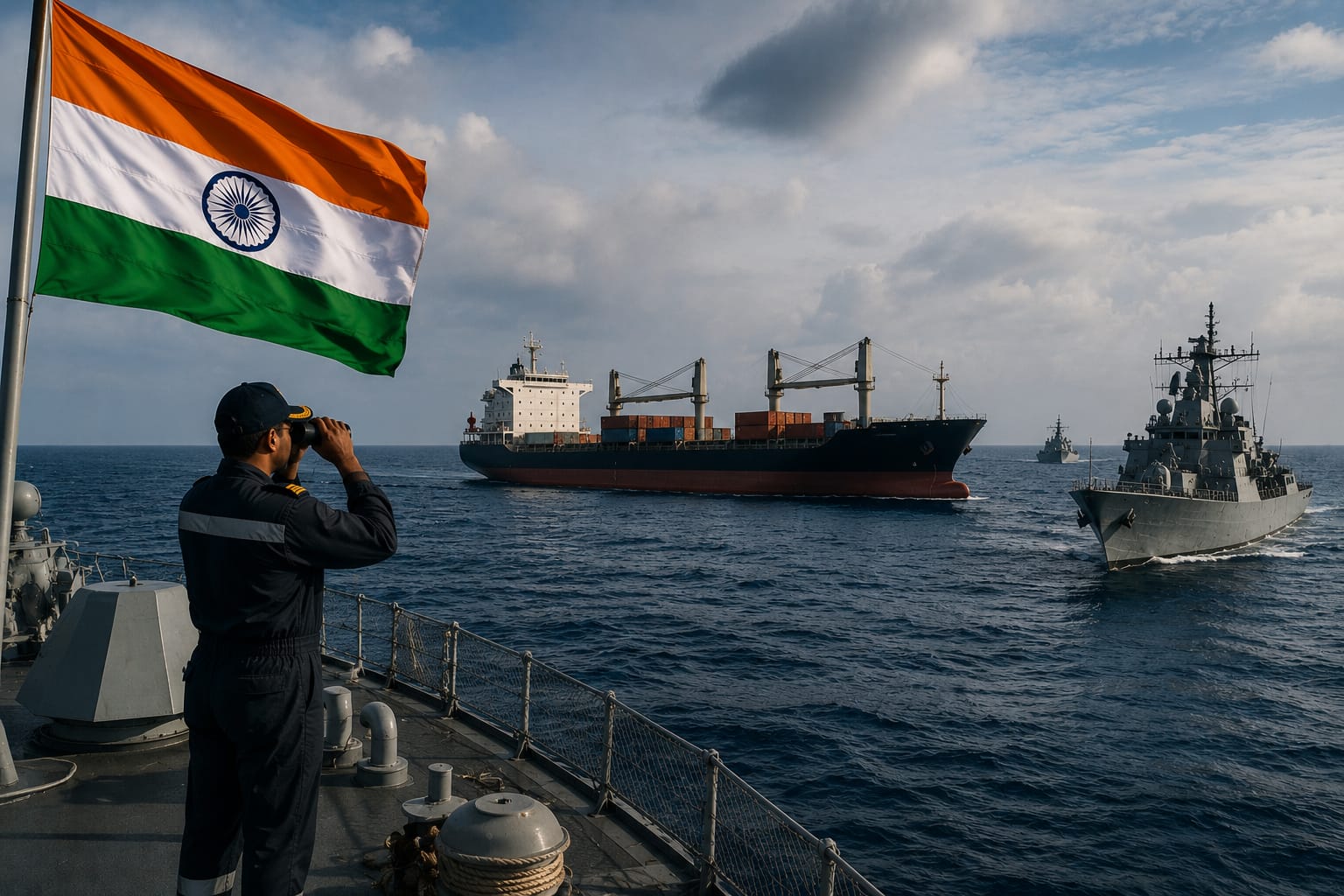
India has reiterated its strong opposition to attacks on merchant shipping, emphasizing the importance of safeguarding international maritime routes that are vital for global trade and energy supplies. The statement comes amid growing concerns over security challenges in key shipping corridors, particularly in regions affected by geopolitical tensions.

Indian officials have stressed that freedom of navigation and the security of commercial vessels are essential for maintaining stability in international trade. As one of the world’s largest trading nations and a major importer of energy resources, India has a significant stake in ensuring that merchant ships can operate safely across global sea lanes without disruption.

The government has expressed concern over recent incidents involving commercial vessels and has called for adherence to international maritime laws. Officials noted that attacks on merchant shipping not only threaten the safety of seafarers but also risk disrupting supply chains that support economies around the world.

The broader maritime security environment has become increasingly complex due to regional conflicts, piracy threats, and attacks on commercial shipping routes. Industry experts warn that prolonged disruptions could increase transportation costs, delay cargo deliveries, and affect the movement of critical commodities, including crude oil and liquefied natural gas.

India has played an active role in promoting maritime security through naval deployments, surveillance operations, and cooperation with international partners. The Indian Navy has participated in efforts to protect commercial vessels and maintain stability in strategically important waterways. New Delhi has also supported multilateral initiatives aimed at improving maritime domain awareness and strengthening collective security mechanisms.

Analysts note that secure shipping routes are crucial for global economic growth, particularly at a time when international supply chains remain vulnerable to geopolitical uncertainties. The protection of merchant vessels has become a priority for many nations seeking to ensure uninterrupted trade and energy flows.

As discussions on maritime security continue, India is expected to work closely with regional and international partners to address emerging challenges. The country’s position underscores the importance of collective action to safeguard commercial navigation, strengthen regional stability, and support the smooth functioning of global trade networks.


Leave a Reply

Your email address will not be published.