


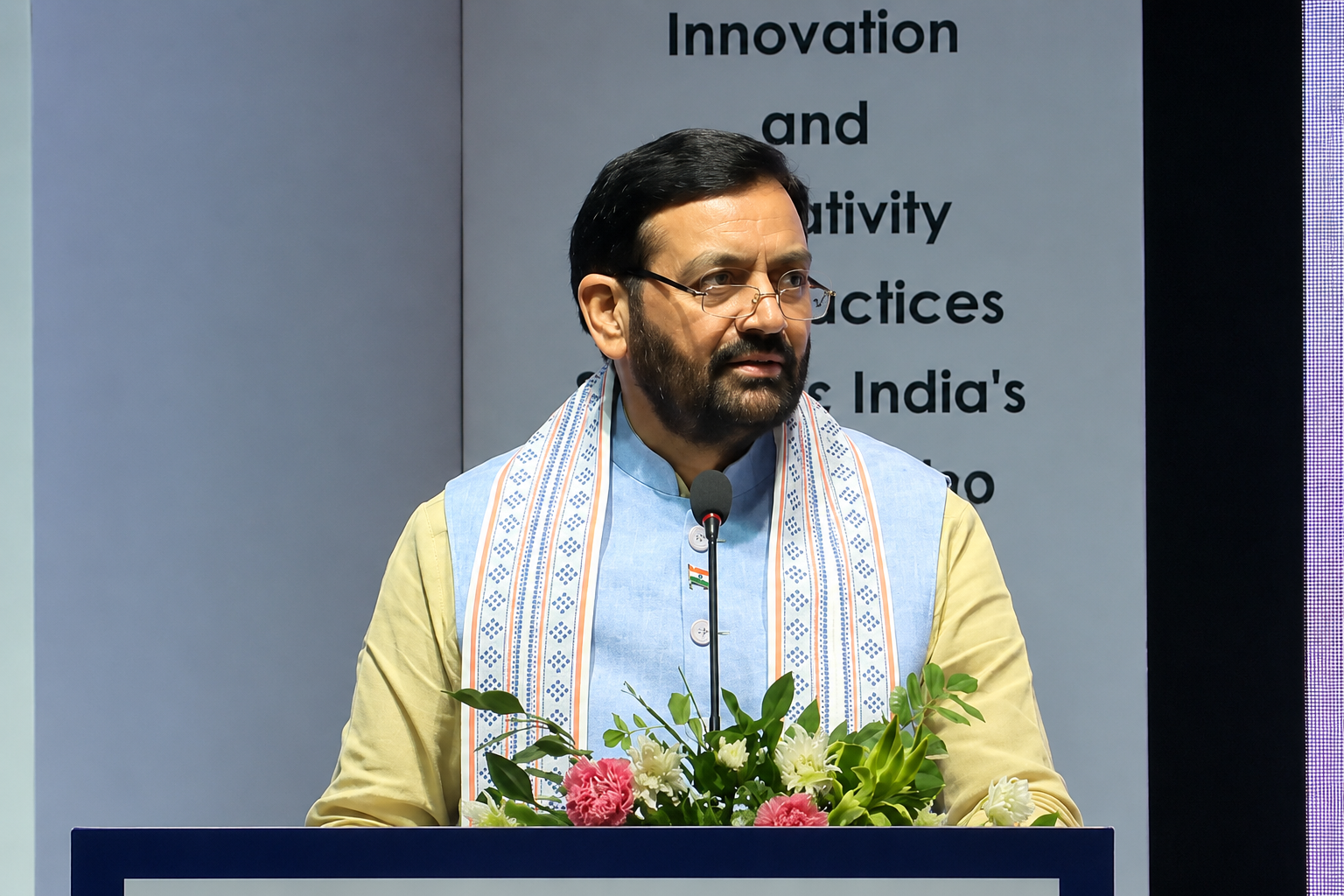
India continues to improve public administration through innovation and better governance. In this direction, Union Minister Jagat Prakash Nadda (JP Nadda) and the Haryana Chief Minister inaugurated the 10th National Summit on Good and Replicable Practices and Innovations. The event brought together government officials, policymakers, experts, and innovators from across the country.
The summit provides a platform to share successful government initiatives. It also encourages states to learn from one another and adopt proven solutions. As a result, citizens can benefit from faster, simpler, and more transparent public services.
A Platform for Sharing Best Practices
The National Summit highlights successful governance models from different states and government departments. These models help solve common challenges and improve public service delivery.
During the inauguration, JP Nadda said that good governance depends on transparency, accountability, and innovation. He added that governments should focus on people while adopting modern technology.
He also explained that many successful ideas begin at the local level. However, when states share these ideas, they can improve governance across the country. Therefore, platforms like this summit play an important role in national development.
Focus on Citizen-Centric Governance
The Union Minister stressed that every government programme should benefit citizens directly. Public services should become easier to access and quicker to deliver.
He encouraged departments to use digital platforms, online services, and data-driven planning. These tools help reduce delays and improve efficiency. Moreover, they increase transparency and strengthen public trust.
The summit also highlighted the importance of listening to citizen feedback. Governments can improve policies when they understand people’s needs and experiences.
Haryana Highlights Administrative Reforms
The Haryana Chief Minister shared the state’s experience in improving governance. He discussed several reforms in healthcare, education, agriculture, and public welfare.
He explained that innovation is not only about technology. It also includes better planning, smoother coordination, and simpler government processes.
Furthermore, he encouraged officials to study successful programmes from other states. They can then adapt those ideas according to local needs. This approach saves time and improves results.
Why Replicable Practices Matter
A major goal of the summit is to identify projects that have delivered measurable success. Other states can then adopt these projects with suitable changes.
Some important examples include:
- Digital citizen services
- Smart healthcare systems
- Water conservation programmes
- Sustainable farming initiatives
- Women empowerment schemes
- Skill development projects
- Technology-based education
- Environmental protection initiatives
These practices help governments avoid repeating mistakes. In addition, they promote faster and more effective implementation of development programmes.
Technology is Transforming Governance
Technology has become a key part of modern governance. Today, government departments use Artificial Intelligence (AI), cloud computing, mobile applications, and data analytics to improve public services.
These digital tools reduce paperwork and speed up decision-making. They also make it easier to monitor projects and resolve public grievances. Consequently, government services become more transparent and reliable.
Experts at the summit agreed that technology should support people rather than replace human interaction. Innovation should always improve citizens’ quality of life.
Cooperative Federalism Strengthens India
Another important theme of the summit was cooperative federalism. The Central Government and state governments work together to solve common challenges.
Every state develops unique solutions based on local needs. Therefore, sharing these experiences benefits the entire country. States can learn from one another instead of starting from scratch.
This exchange of knowledge strengthens administration and supports balanced development across India.
Recognising Innovation in Public Administration
The summit also recognises government departments that introduce innovative and successful projects.
Such recognition motivates officials to improve public services further. At the same time, it encourages healthy competition among states.
Several workshops and technical sessions allowed participants to discuss challenges and practical solutions. As a result, they gained valuable knowledge that can improve future governance initiatives.
Looking Ahead
India is moving towards a more digital and citizen-focused system of governance. Events like the National Summit on Good and Replicable Practices and Innovations support this journey by encouraging innovation and knowledge sharing.
The inauguration by Union Minister JP Nadda and the Haryana Chief Minister reflects the government’s commitment to better governance. Their message focused on collaboration, transparency, and continuous improvement.
As more states adopt successful practices, public services will become faster, more efficient, and more accessible. Ultimately, these efforts will help build a stronger, more inclusive, and better-governed India for future generations.