
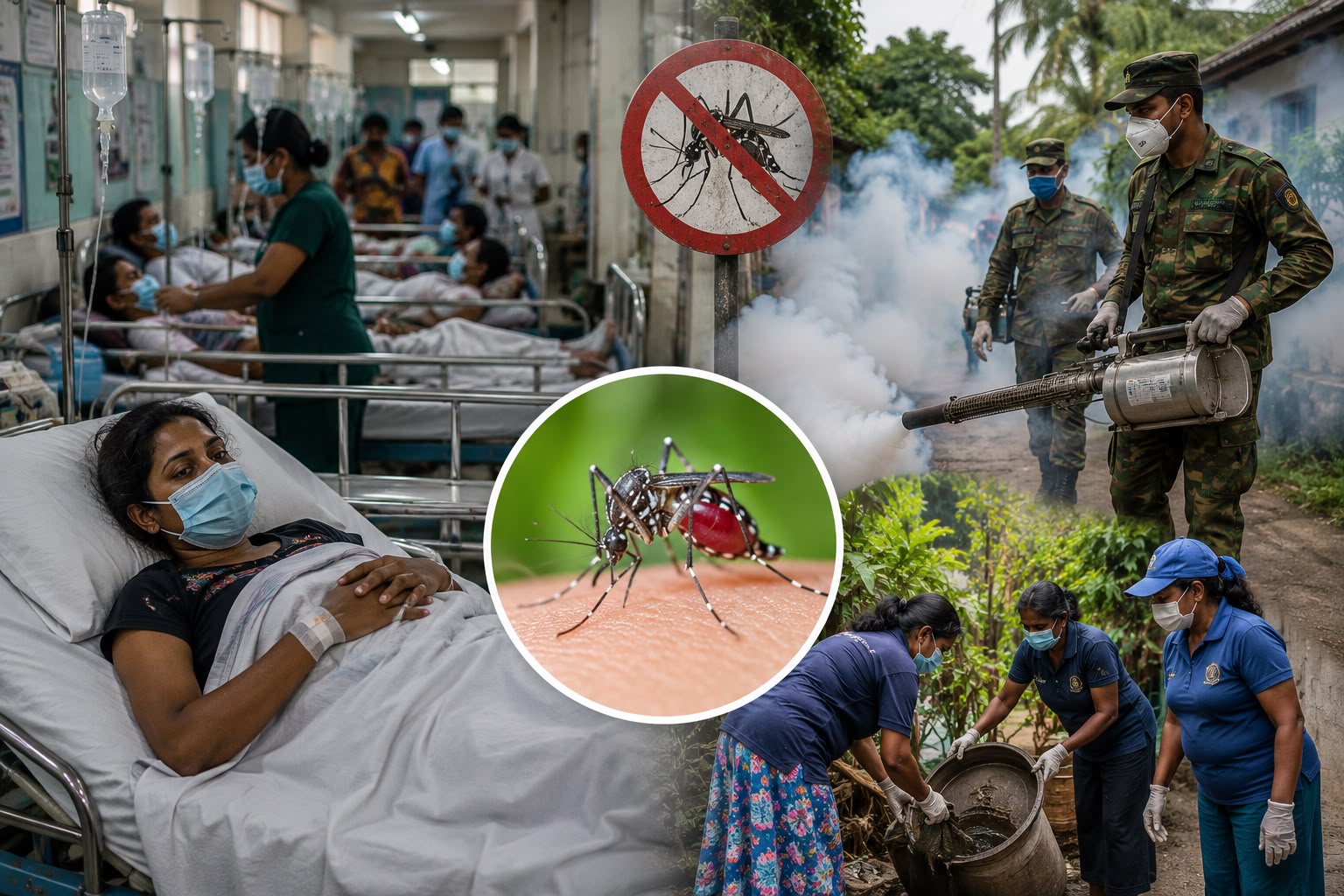
Sri Lanka is grappling with a major dengue outbreak that is placing unprecedented pressure on the country’s public health system. As of June 22, health authorities have recorded 47,530 dengue cases and 29 deaths linked to the mosquito-borne disease, prompting concerns about the ability of healthcare facilities to cope with the growing number of patients.
Hospitals across several regions are experiencing a surge in admissions, with some facilities reportedly operating beyond their intended capacity. Medical staff are facing increased workloads as wards and emergency departments struggle to accommodate the influx of dengue patients. Health officials have warned that if infections continue to rise at the current pace, the strain on healthcare resources could intensify further in the coming weeks.
In response to the escalating crisis, the Sri Lankan government has established a military-led monitoring unit to strengthen dengue surveillance and coordinate disease-control measures nationwide. Authorities say the unit will work alongside public health agencies to monitor outbreaks, identify high-risk areas, and support rapid intervention efforts. The move reflects growing concern within the government about the scale of the outbreak and its impact on public services.
Experts attribute the spread of dengue to a combination of seasonal weather patterns, heavy rainfall, and an increase in mosquito breeding grounds. Poor drainage, stagnant water, and densely populated urban areas have created favorable conditions for the mosquitoes that transmit the virus. Public health officials have intensified awareness campaigns, urging residents to eliminate standing water around homes and workplaces and to take preventive measures against mosquito bites.
The outbreak has renewed concerns about public health preparedness and the long-term challenges posed by vector-borne diseases in the region. Dengue remains one of South Asia’s most persistent health threats, particularly during periods of high humidity and rainfall.
Authorities are continuing containment efforts while encouraging greater community participation in mosquito-control programs. Health officials stress that public cooperation will be essential in slowing transmission, reducing hospital admissions, and preventing additional deaths as the country works to bring the outbreak under control.