

Introduction
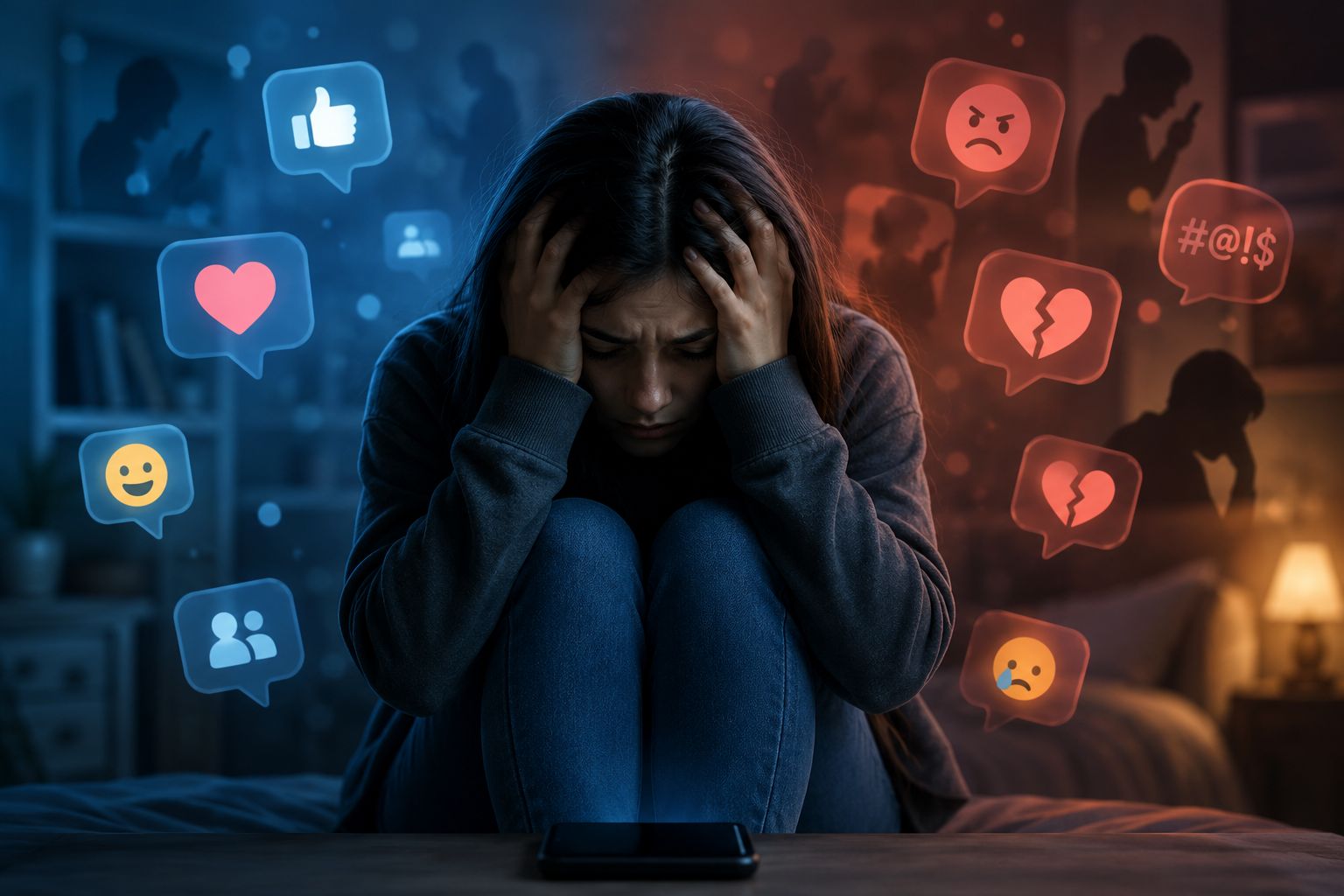
Social media has become an essential part of modern life. Platforms such as Instagram, Facebook, X, TikTok, and YouTube allow people to connect, communicate, and share experiences with others around the world. While social media offers many benefits, its growing influence has also raised concerns about its impact on mental health. Understanding both the positive and negative effects of social media can help individuals use these platforms in a healthier and more balanced way.
The Growing Role of Social Media
Over the past decade, social media has transformed how people interact and access information. It allows users to stay connected with friends and family, follow current events, learn new skills, and express their creativity. For many people, social media is an important tool for communication and entertainment.
However, as screen time increases, researchers and health professionals continue to examine how constant online engagement affects emotional well-being and mental health.
Positive Effects of Social Media on Mental Health
Staying Connected
One of the greatest benefits of social media is its ability to connect people regardless of distance. Friends and family members can maintain relationships, share life updates, and provide emotional support through online platforms.
Access to Support Communities
Social media enables people to join communities based on shared interests, experiences, or challenges. Support groups can provide encouragement, advice, and a sense of belonging to individuals who may feel isolated.
Educational and Inspirational Content
Many users benefit from motivational content, mental health awareness campaigns, educational videos, and self-improvement resources. These materials can promote learning, positivity, and personal growth.
Opportunities for Self-Expression
Social media gives individuals a platform to share their thoughts, talents, and creativity. This can boost confidence and help people build meaningful connections with others who share similar interests.
Negative Effects of Social Media on Mental Health
Comparison and Low Self-Esteem
One of the most common concerns is the tendency to compare oneself with others online. People often share only the highlights of their lives, creating unrealistic expectations that may lead to feelings of inadequacy or low self-esteem.
Anxiety and Stress
Constant notifications, pressure to stay active online, and fear of missing out (FOMO) can contribute to anxiety and stress. Many users feel overwhelmed by the need to keep up with online trends and social interactions.
Cyberbullying and Online Harassment
Negative comments, online bullying, and harassment can significantly affect mental well-being. Victims may experience emotional distress, sadness, and reduced confidence.
Sleep Disruption
Excessive social media use, especially before bedtime, can interfere with sleep quality. Poor sleep can negatively impact mood, concentration, and overall mental health.
Addiction and Excessive Screen Time
Many social media platforms are designed to keep users engaged for long periods. Excessive usage can reduce productivity, limit face-to-face interactions, and contribute to feelings of loneliness.
Finding a Healthy Balance
Set Time Limits
Creating daily limits for social media use can help reduce screen time and encourage healthier habits.
Follow Positive Content
Choosing to follow educational, inspirational, and supportive accounts can create a more positive online experience.
Take Regular Breaks
Digital detox periods allow individuals to focus on real-life activities, relationships, and personal well-being.
Prioritize Real-Life Connections
Maintaining strong relationships with family and friends outside social media is important for emotional health and personal development.
Think Critically About Online Content
Remember that social media often shows a carefully selected version of reality. Avoid comparing your everyday life to someone else’s online highlights.
The Future of Digital Well-Being
As awareness of mental health continues to grow, social media companies are introducing features designed to support digital well-being. Screen time tracking tools, content moderation systems, and mental health resources are becoming more common. However, users also play an important role in developing healthy online habits.
Conclusion
Social media has both positive and negative effects on mental health. It can strengthen connections, provide support, and inspire personal growth. At the same time, excessive use, online comparisons, and cyberbullying can contribute to emotional challenges. By using social media mindfully and maintaining a healthy balance between online and offline life, individuals can enjoy its benefits while protecting their mental well-being.