

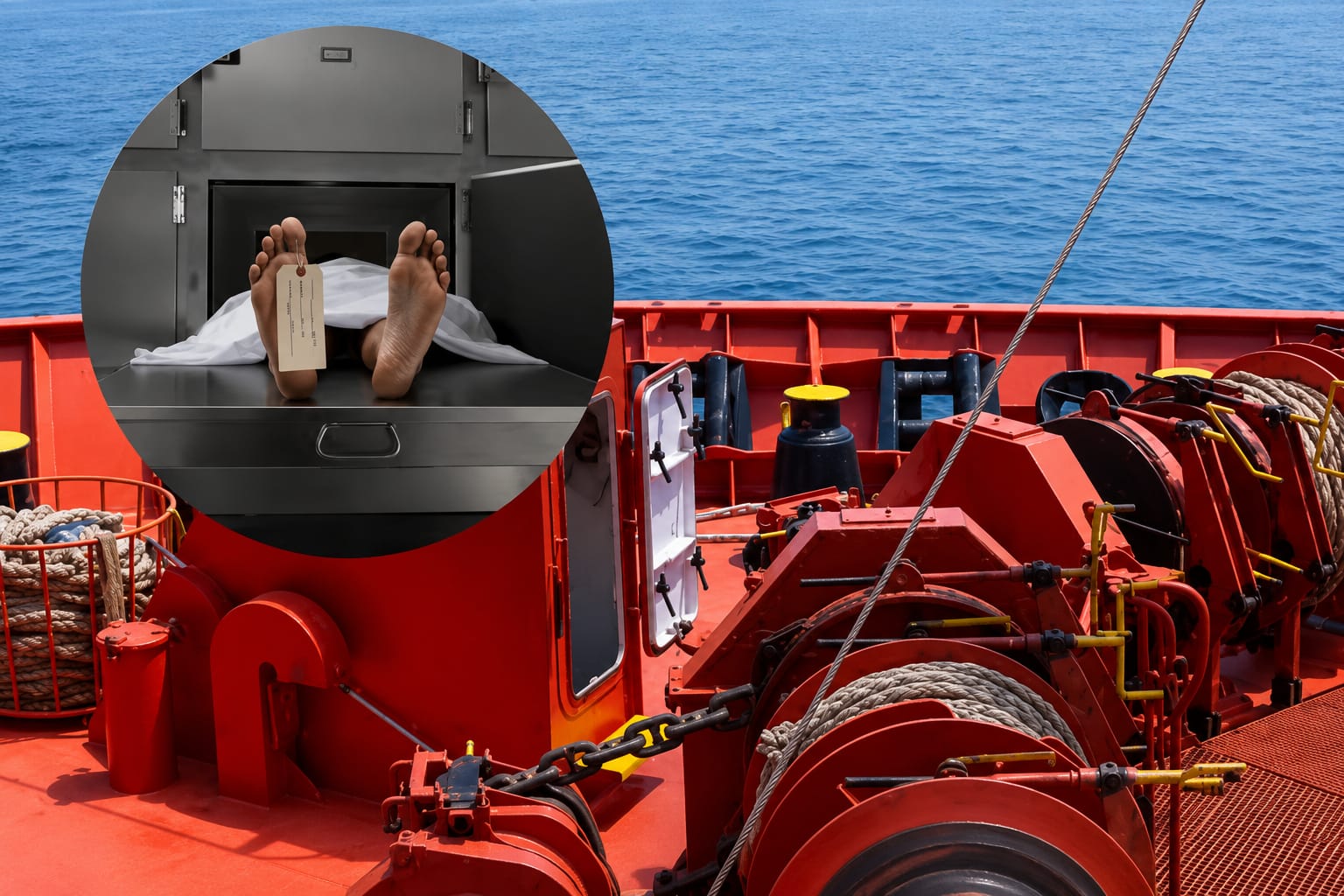
Chief Officer Dies on Chemical Tanker During Tank Inspection: A Tragic Reminder of Maritime Safety Risks
Introduction
A incident on a chemical tanker has raised serious concerns about safety procedures and emergency preparedness in the maritime industry. A Chief Officer lost his life during a tank inspection. This incident highlights the dangers faced by seafarers who work in controlled but potentially hazardous environments.
Chemical tankers carry liquid chemicals that can create dangerous conditions inside cargo tanks. These conditions include gases, oxygen deficiency and harmful vapours. Tank inspections are essential. Require strict safety procedures proper equipment and continuous monitoring.
The death of the Chief Officer has brought attention to the importance of enclosed space safety, risk assessment and the responsibility of shipping companies to protect crew members.
Background of the Incident
The incident occurred on a chemical tanker when the Chief Officer entered a cargo tank for inspection. Tank inspections are commonly carried out to check the condition of cargo spaces ensure cleanliness identify damage and prepare tanks for operations.
According to reports the officer was conducting an inspection when the accident happened. The crew attempted rescue operations.
Chemical tankers require safety measures because cargo tanks can contain harmful substances or dangerous atmospheric conditions. Without testing and safety precautions entering such spaces can be life-threatening.
Understanding Chemical Tankers and Their Risks
Chemical tankers are vessels designed to transport liquid chemicals. These ships operate under international safety regulations due to the dangerous nature of their cargo.
Chemical cargoes can release gases, flammable vapours, chemical residues and harmful fumes. When tanks appear empty dangerous gases can remain trapped inside. This makes tank entry one of the highest-risk activities onboard a vessel.
Seafarers involved in cargo operations, inspections and maintenance must follow procedures before entering any enclosed space.
# **Timeline of the Incident**
## **Tank Inspection Operation**
The Chief Officer entered the cargo tank as part of an inspection. Such inspections are normally performed to assess the condition of the tank.
## **Emergency Situation**
During the inspection the officer faced a situation inside the tank. Crew members responded immediately. Attempted rescue operations.
## **Rescue Efforts**
Emergency procedures were. Crew members worked to recover the officer from the tank. However despite rescue attempts the Chief Officer could not be saved.
## **Investigation Begins**
Authorities and maritime safety officials began investigating the accident. The investigation focused on safety procedures, equipment usage and whether all required precautions were followed.
# **Why Tank Inspections Are Dangerous**
Cargo tank inspections are considered high-risk activities because they involve entry into enclosed spaces. Some major hazards include:
## **1. Lack of Oxygen**
A cargo tank may have reduced oxygen levels, which can cause unconsciousness within minutes and can be fatal without rescue.
## **2. Toxic Gas Exposure**
Chemical residues can release gases that may not be visible or easily detected without proper monitoring equipment.
## **3. Presence of Flammable Vapours**
Certain chemicals can create environments increasing the risk of fire or explosion.
## **4. Difficult Rescue Conditions**
Enclosed spaces are challenging areas for rescue because access is limited and rescuers may also become victims if they enter without protection.
# **Importance of Enclosed Space Safety Procedures**
International maritime organisations have established guidelines for enclosed space entry. These procedures are designed to prevent accidents and protect crew members.
Important safety steps include:
## **Atmosphere Testing**
Before entering a tank the atmosphere must be tested for oxygen levels, toxic gases and flammable gases.
## ** Ventilation**
Cargo tanks must be properly ventilated before entry to reduce the risk of harmful gases.
## **Permit-to-Work System**
A formal permission process ensures that all safety requirements are completed before someone enters an enclosed space.
## **Standby Person**
A trained crew member should remain outside the tank to monitor the situation and provide assistance if required.
## **Emergency Rescue Plan**
Ships must have rescue equipment and procedures ready before allowing entry.
# **Investigation and Possible Safety Questions**
Investigators examine important factors, including:
* Was the tank atmosphere tested before entry?
* Were safety permits issued?
* Was ventilation provided?
* Was the officer using safety equipment?
* Were emergency procedures followed correctly?
The purpose of investigations is not only to identify responsibility but also to prevent similar incidents in the future.
# **Impact on the Maritime Industry**
The incident has created concern among shipping professionals. Enclosed space accidents continue to be a safety challenge for seafarers worldwide.
The maritime industry depends heavily on trained officers and crew members. The loss of an officer affects ship operations, crew morale, safety awareness and industry practices.
Every accident provides lessons that can help improve safety standards onboard ships.
# **Role of Shipping Companies in Crew Safety**
Shipping companies have a responsibility to ensure safe working conditions for seafarers. Companies should provide safety training regular emergency drills, modern safety equipment, clear operating procedures and adequate risk assessments.
Safety should remain the priority especially when crew members perform dangerous tasks such as tank inspections.
# **Challenges Faced by Seafarers**
Seafarers work in challenging environments away from their families for periods. They face risks, including extreme weather conditions, machinery accidents, chemical exposure, fire hazards and enclosed space dangers.
Strong safety culture and proper training are essential to protect workers at sea.
# **Importance of Maritime Safety Training**
Training plays a role in preventing accidents. Crew members must understand how to identify risks how to use safety equipment how to respond during emergencies and when not to enter areas.
Regular drills help ensure that crew members can act quickly and effectively during emergencies.
# **Lessons Learned from the Incident**
The tragic death of the Chief Officer highlights important lessons:
## **1. Never Ignore Safety Procedures**
Even routine tasks can become dangerous if safety rules are not strictly followed.
## **2. Proper Risk Assessment Is Essential**
Every enclosed space entry should involve evaluation of possible hazards.
## **3. Emergency Preparedness Saves Lives**
response and proper rescue systems can make a significant difference during accidents.
## **4. Safety Culture Must Be Strengthened**
A strong safety culture encourages crew members to prioritise safety over pressure.
# **Role of Media in Reporting Maritime Accidents**
Media plays a role in bringing attention to workplace safety issues. However reporting such incidents requires sensitivity and accuracy.
Responsible reporting should respect the victim and family avoid spreading information focus on safety lessons and highlight improvements needed in the industry.
The goal of reporting should be awareness and prevention than only focusing on tragedy.
# **Conclusion**
The death of the Chief Officer during a chemical tanker tank inspection is a reminder of the risks faced by maritime workers. Although ships follow safety regulations enclosed space operations remain one of the most dangerous activities at sea.
The incident highlights the importance of training, risk assessment, safety equipment and emergency preparedness. Every seafarer deserves a working environment and every accident should become an opportunity to improve safety standards.
The maritime industry must continue strengthening safety practices to prevent tragedies in the future. Protecting the lives of those who work at sea should remain the priority, for shipping companies, authorities and international organisations.