

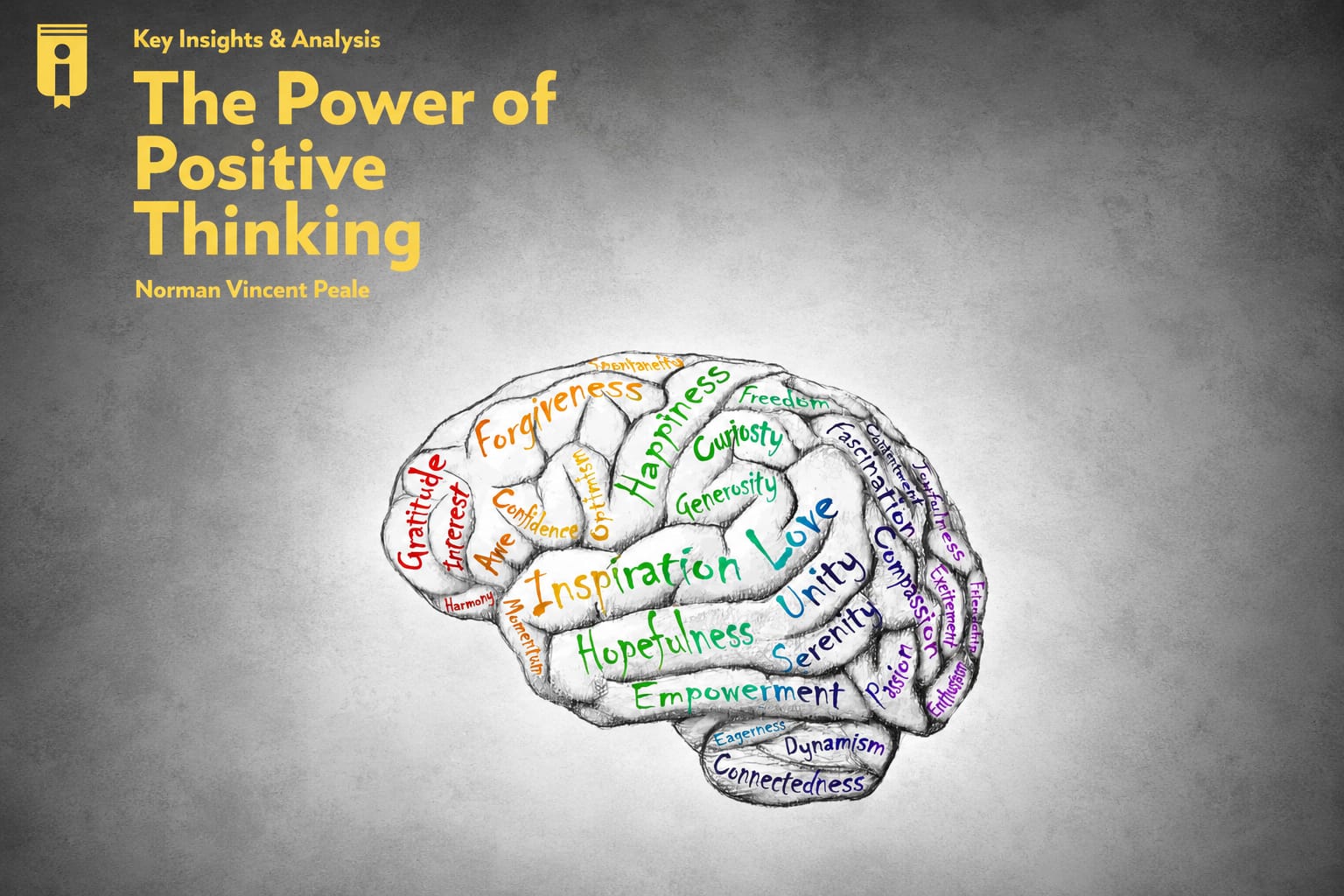
The Power of Positive Thinking
Positive thinking is more than simply looking at the bright side of life. It is a mindset that focuses on hope, confidence, and the belief that positive outcomes are possible. People who think positively are not free from problems; instead, they approach challenges with optimism rather than fear. This attitude helps them stay motivated, resilient, and capable of making wise decisions even during difficult times.
In today’s fast-paced world, stress, anxiety, and uncertainty have become common. Many people struggle with negative thoughts that affect their happiness, relationships, and overall well-being. Positive thinking is a powerful tool that helps individuals overcome these obstacles and lead healthier, more fulfilling lives. While it cannot eliminate every problem, it changes how people respond to challenges, making them stronger, calmer, and more confident.
What Is Positive Thinking?
Positive thinking is the practice of focusing on the good in every situation instead of dwelling only on the negative. It involves expecting positive outcomes, believing in yourself, and maintaining hope even during difficult times. Positive thinkers recognize problems, but they do not allow those problems to control their emotions or actions.
Positive thinking is not about ignoring reality or pretending that everything is perfect. Rather, it is about accepting challenges, learning from them, and believing in your ability to overcome them. It combines optimism with practical action and perseverance.
Benefits of Positive Thinking
1. Better Mental Health
One of the greatest benefits of positive thinking is improved mental health. Optimistic people generally experience lower levels of stress, anxiety, and depression because they focus on finding solutions rather than dwelling on problems.
Positive thinking also boosts self-esteem and confidence. Individuals who believe in themselves are more willing to take on new opportunities, learn from mistakes, and continue growing.
Key Benefits:
- Improves mental health and emotional well-being.
- Reduces stress, anxiety, and negative thinking.
- Increases self-confidence and resilience.
2. Improved Physical Health
Research has shown that maintaining a positive mindset can improve physical health. People with optimistic attitudes often have lower blood pressure, stronger immune systems, and healthier hearts. Since they manage stress more effectively, their bodies experience fewer harmful effects of long-term stress.
Positive thinkers are also more likely to adopt healthy lifestyle habits such as regular exercise, balanced nutrition, sufficient sleep, and proper self-care.
Key Benefits:
- Promotes better heart health.
- Strengthens the immune system.
- Encourages healthy lifestyle habits.
3. Stronger Relationships
A positive attitude strengthens both personal and professional relationships. Optimistic individuals tend to be supportive, understanding, and encouraging. They communicate more effectively, resolve conflicts peacefully, and inspire others with their enthusiasm.
People naturally enjoy spending time with individuals who spread positivity, kindness, and encouragement.
Key Benefits:
- Builds healthier relationships.
- Improves communication skills.
- Encourages trust and teamwork.
4. Greater Success
Positive thinking plays an important role in achieving success. Successful individuals often believe in their abilities and remain determined even after experiencing setbacks. Instead of seeing failure as the end, they view it as an opportunity to learn and improve.
This mindset helps people remain motivated, develop new skills, and continue working toward their goals with confidence.
Key Benefits:
- Increases motivation.
- Encourages perseverance.
- Improves goal achievement.
How Positive Thinking Affects Daily Life
Positive thinking influences nearly every aspect of daily life. At school or work, it increases productivity by helping people focus on solutions rather than obstacles. Students with a positive mindset often perform better because they believe that effort and learning lead to improvement.
In personal life, positive thinking reduces unnecessary worry, improves emotional balance, and helps people appreciate life’s small moments. It also encourages better decision-making by allowing individuals to evaluate situations calmly before responding.
Positive thinking helps by:
- Improving productivity.
- Enhancing decision-making.
- Reducing stress and worry.
- Increasing emotional balance.
The Science Behind Positive Thinking
Psychological research has shown that positive thinking has measurable effects on both the brain and the body. Positive thoughts stimulate the release of chemicals such as dopamine and serotonin, which improve mood, motivation, and overall happiness.
At the same time, optimism reduces the production of cortisol, the body’s primary stress hormone. Lower stress levels contribute to better concentration, stronger immunity, improved heart health, and increased emotional resilience.
Studies also suggest that practicing gratitude, kindness, and optimism significantly improves life satisfaction and helps individuals recover more quickly from setbacks.
Ways to Develop Positive Thinking
1. Practice Gratitude
Gratitude is one of the most effective ways to develop a positive mindset. Taking a few minutes each day to appreciate family, friends, good health, or personal achievements shifts attention away from problems and toward life’s blessings.
Keeping a gratitude journal can further strengthen this habit and improve overall happiness.
2. Replace Negative Thoughts
Negative thoughts often appear automatically. Instead of accepting them as facts, challenge them with realistic and encouraging alternatives.
For example:
- Instead of saying, “I will never succeed,”
- Say, “I can improve through effort, learning, and practice.”
This simple shift builds confidence and motivation over time.
3. Surround Yourself with Positive People
The people around us strongly influence our mindset. Spending time with supportive, optimistic individuals encourages positive thinking and emotional well-being.
Healthy relationships create an environment where people feel respected, motivated, and inspired to grow.
4. Take Care of Your Health
Mental and physical health are closely connected. Regular exercise, nutritious food, adequate sleep, and relaxation techniques all contribute to a more positive outlook.
Simple activities such as walking, meditation, yoga, or spending time in nature can significantly improve mood and reduce stress.
5. Set Realistic Goals
Setting achievable goals creates a sense of accomplishment. Every success, no matter how small, builds confidence and motivates individuals to continue striving toward larger goals with optimism.
Challenges to Positive Thinking
Although positive thinking offers many benefits, maintaining optimism is not always easy. Difficult experiences such as failure, illness, financial problems, or personal loss can lead to negative emotions.
Social media comparisons and constant exposure to negative news can also affect mental well-being. During challenging times, seeking support from family, friends, teachers, or mental health professionals is important.
Positive thinking does not mean suppressing emotions. It is healthy to acknowledge sadness, disappointment, and frustration while continuing to move forward with hope and determination.
Real-Life Examples of Positive Thinking
Many successful individuals demonstrate the power of positive thinking.
Thomas Edison experienced thousands of unsuccessful attempts before inventing the practical electric light bulb. Rather than viewing these attempts as failures, he considered them valuable lessons that brought him closer to success.
J. K. Rowling faced repeated rejection from publishers before the Harry Potter series became one of the world’s most successful book franchises. Her determination, resilience, and belief in her work eventually led to extraordinary success.
Athletes, entrepreneurs, scientists, and leaders often rely on positive thinking to remain focused despite setbacks and challenges.
Positive Thinking in Education and the Workplace
Schools and workplaces increasingly recognize the importance of positive thinking. Teachers encourage students to develop a growth mindset—the belief that intelligence and abilities can improve through effort, practice, and learning.
Similarly, organizations value employees with positive attitudes because they adapt better to change, collaborate effectively, solve problems creatively, and contribute to a healthy work environment.
Leaders who inspire confidence and maintain optimism often build stronger teams and achieve better organizational performance.
Conclusion
The power of positive thinking lies in its ability to transform the way people view themselves, others, and the world around them. Although it cannot remove every obstacle, it provides the strength, confidence, and resilience needed to face life’s challenges with courage and determination.
By practicing gratitude, replacing negative thoughts with positive ones, maintaining healthy habits, setting realistic goals, and surrounding ourselves with supportive people, we can develop a more optimistic outlook on life.
Positive thinking improves mental and physical health, strengthens relationships, enhances productivity, and increases the likelihood of success. Ultimately, it is a lifelong habit that empowers individuals to grow through adversity, embrace opportunities, and lead happier, healthier, and more meaningful lives. Choosing optimism every day may seem like a small decision, but over time, it has the power to create lasting personal and professional success.