


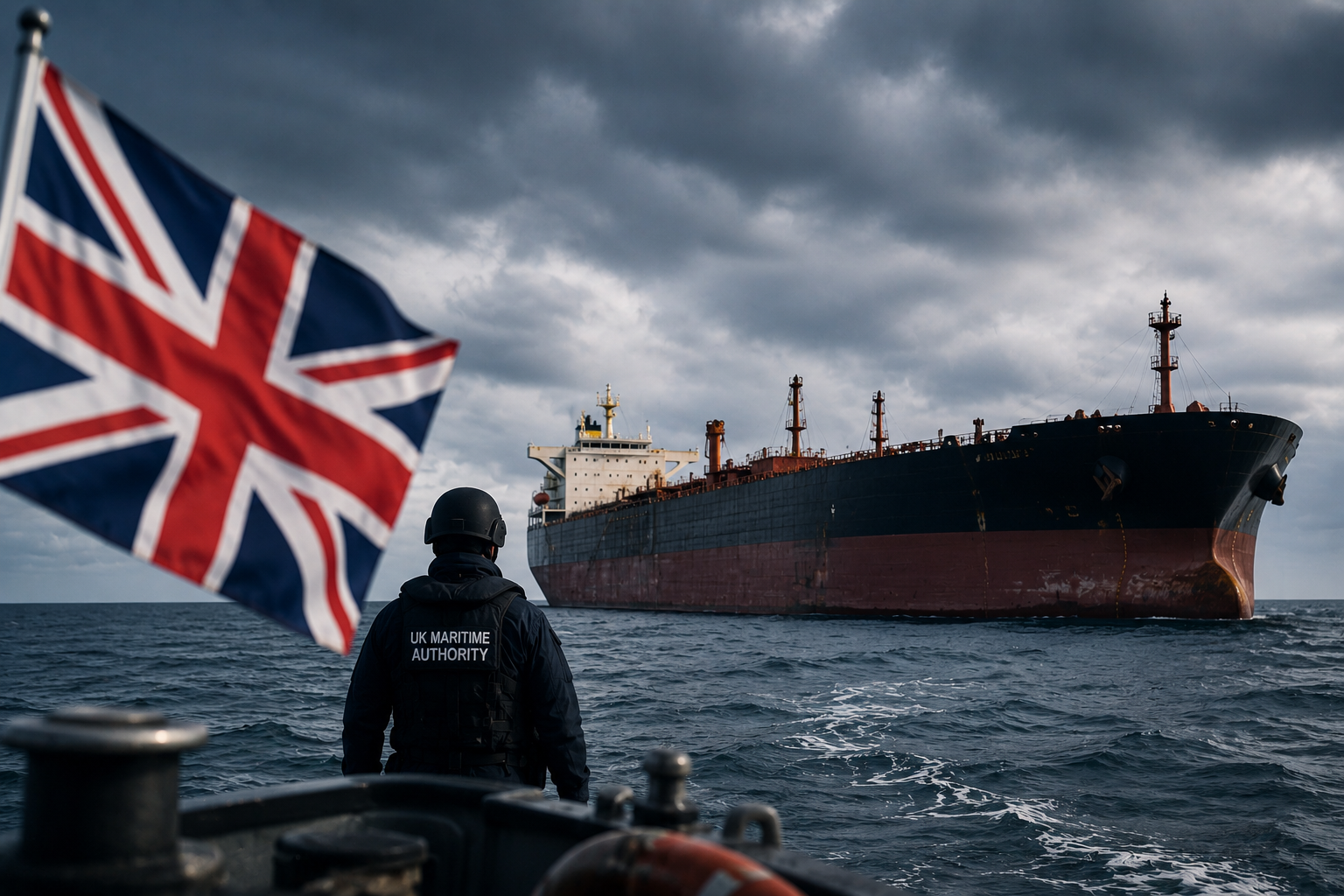
The United Kingdom has taken action against a Russian-linked tanker believed to be part of Moscow’s so-called “shadow fleet,” a network of ships used to transport oil while avoiding Western sanctions. The move marks another step in efforts by Western nations to limit Russia’s energy revenues amid ongoing geopolitical tensions.
Authorities said the vessel was linked to operations designed to bypass restrictions imposed on Russian oil exports. While details about the tanker and its cargo remain limited, officials described the seizure as part of a broader strategy to enforce sanctions and increase oversight of maritime trade.
What Is Russia’s ‘Shadow Fleet’?
The term “shadow fleet” refers to a group of aging tankers that often operate under complex ownership structures and changing registrations. These vessels frequently sail with limited transparency, making it difficult for authorities to track cargo origins and destinations.
Western governments believe many of these ships help transport Russian oil to international markets despite restrictions introduced after the conflict in Ukraine. Analysts estimate that hundreds of vessels may be involved in this network.
Why the Seizure Matters
The UK’s action sends a strong signal that sanctions enforcement remains a priority. By targeting vessels linked to sanction-evasion efforts, authorities hope to reduce Russia’s ability to generate revenue from energy exports.
Experts say such measures could increase costs and risks for operators involved in shadow fleet activities. However, they also note that the network has adapted over time by using alternative routes, intermediaries, and new ownership arrangements.
Wider Impact on Global Markets
The seizure is unlikely to cause immediate disruption to global oil supplies. However, continued enforcement actions by the UK and its allies could place additional pressure on Russian export operations.
As governments strengthen monitoring efforts, the future of Russia’s shadow fleet is expected to remain a key issue in global energy and maritime security discussions. The latest move highlights the growing focus on enforcing sanctions beyond traditional financial channels.