

The Effect of High Gold Prices on the Public
Introduction
Gold has captivated humanity for thousands of years — a symbol of wealth, power, and security across every civilization in history. In the modern era, its role has evolved, but its importance has not diminished. When gold prices surge to record highs, the ripple effects extend far beyond trading floors and investment portfolios. Ordinary people — consumers, jewelry buyers, small business owners, and everyday savers — feel the impact in ways both visible and subtle. Understanding how high gold prices affect the public reveals much about the intersection of global economics and daily life.
Gold as a Barometer of Economic Anxiety
Gold prices do not rise in a vacuum. They typically climb during periods of economic uncertainty, inflation, geopolitical tension, or currency devaluation. When investors lose confidence in stocks, real estate, or paper currencies, they flock to gold as a “safe haven” asset. In this sense, a rising gold price is often a warning signal — a reflection of public anxiety about the broader economy.
For the average person, this relationship matters deeply.
When gold prices spike, it usually means that inflation is eroding purchasing power, interest rates are unstable, or global events are threatening economic stability. The high price of gold, therefore, is not just a financial statistic — it is a thermometer measuring the health of the economy that affects everyone’s cost of living.
Impact on Jewelry and Cultural Traditions
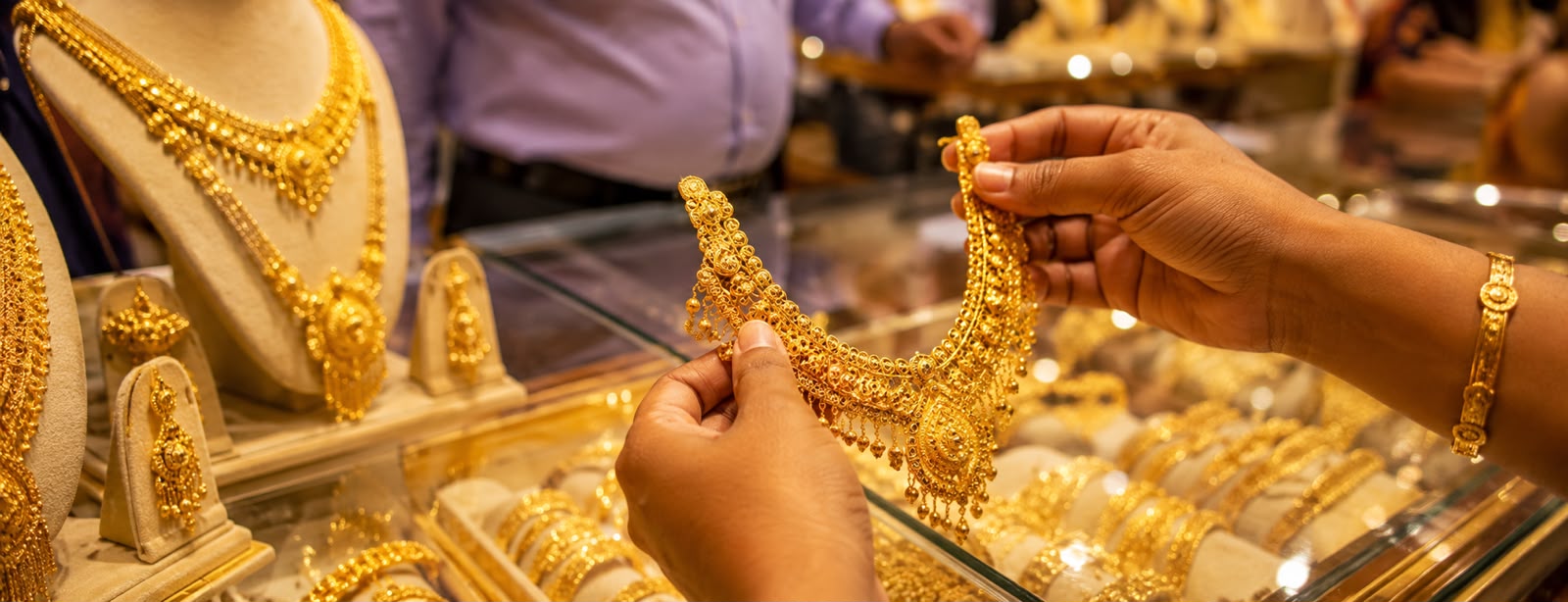
One of the most direct ways high gold prices touch ordinary people is through the jewelry market. Gold jewelry is not merely decorative in many cultures — it carries profound social and ceremonial significance. In countries like India, China, and across the Middle East and Africa, gold jewelry is an integral part of weddings, religious festivals, and family milestones. It is also a traditional form of savings and wealth transfer between generations.
When gold prices are high, families planning weddings face significantly heavier financial burdens. The cost of bridal gold sets, rings, and traditional ornaments can escalate dramatically, forcing families to buy less, substitute with lower-karat gold, or go into debt to meet cultural expectations. Jewelers report declining sales volumes during price surges, as consumers delay purchases or opt for gold-plated alternatives. Small jewelry businesses and artisans who depend on steady demand are often hurt disproportionately, unable to absorb rising material costs or pass them fully onto customers.
Effects on Individual Investors and Savers
For individual investors, high gold prices present a complex picture. Those who bought gold earlier — whether as coins, bars, exchange-traded funds (ETFs), or mining stocks — benefit handsomely from price increases, seeing the value of their holdings grow substantially. In this regard, high gold prices reward the foresight of those who used gold as a hedge against inflation or market volatility.
However, for those looking to enter the gold market during a price peak, the risks are considerable. Buying gold at all-time highs means exposure to sharp corrections if market conditions stabilize. Many ordinary savers who turn to gold out of fear during economic crises end up purchasing at the worst possible time, only to watch prices fall once confidence returns to financial markets.
Middle-class households in developing economies who traditionally store wealth in physical gold face a particular dilemma. High prices mean their existing holdings are worth more, but acquiring additional gold to build future security becomes increasingly out of reach.
Influence on Industry and Manufacturing
Gold’s applications extend well beyond jewelry and investment. It is a critical material in electronics, medical devices, aerospace technology, and telecommunications. Printed circuit boards, smartphone components, and medical implants all rely on gold for its unmatched conductivity and resistance to corrosion.
When gold prices rise sharply, manufacturing costs increase across these industries. Electronics manufacturers face higher production costs, which are eventually passed on to consumers in the form of more expensive smartphones, computers, and medical equipment. For industries operating on thin margins, sustained high gold prices can threaten profitability and trigger a search for substitute materials — though few match gold’s performance characteristics.
The Psychological and Social Dimension
Beyond the economic mechanics, high gold prices carry a powerful psychological effect on the public. Rising gold prices reinforce a sense of financial insecurity. When people see gold — historically the ultimate store of value — becoming more expensive, it can heighten anxiety about the future, prompt hoarding behavior, and erode confidence in banks and governments.
Conversely, for communities where physical gold represents generational wealth, high prices can feel empowering. Families who have held gold for decades suddenly find themselves wealthier on paper, which can boost spending confidence and economic activity in local markets.
Social inequality is also amplified. Wealthier individuals and institutional investors are better positioned to capitalize on rising gold prices, while lower-income groups — who cannot afford to hold gold as an asset — receive none of the benefit and bear the full brunt of the inflationary pressures that gold prices signal.
Conclusion
The high price of gold affects the public in ways that are far-reaching and often underappreciated. It shapes wedding budgets and cultural traditions, rewards some investors while excluding others, raises the cost of consumer electronics and medical devices, and sends psychological signals about the state of the global economy. Gold’s price is never just a number on a commodity exchange — it is a reflection of collective human confidence, anxiety, and aspiration. In understanding its impact, we better understand the economic forces that shape everyday life for billions of people around the world.