

Introduction
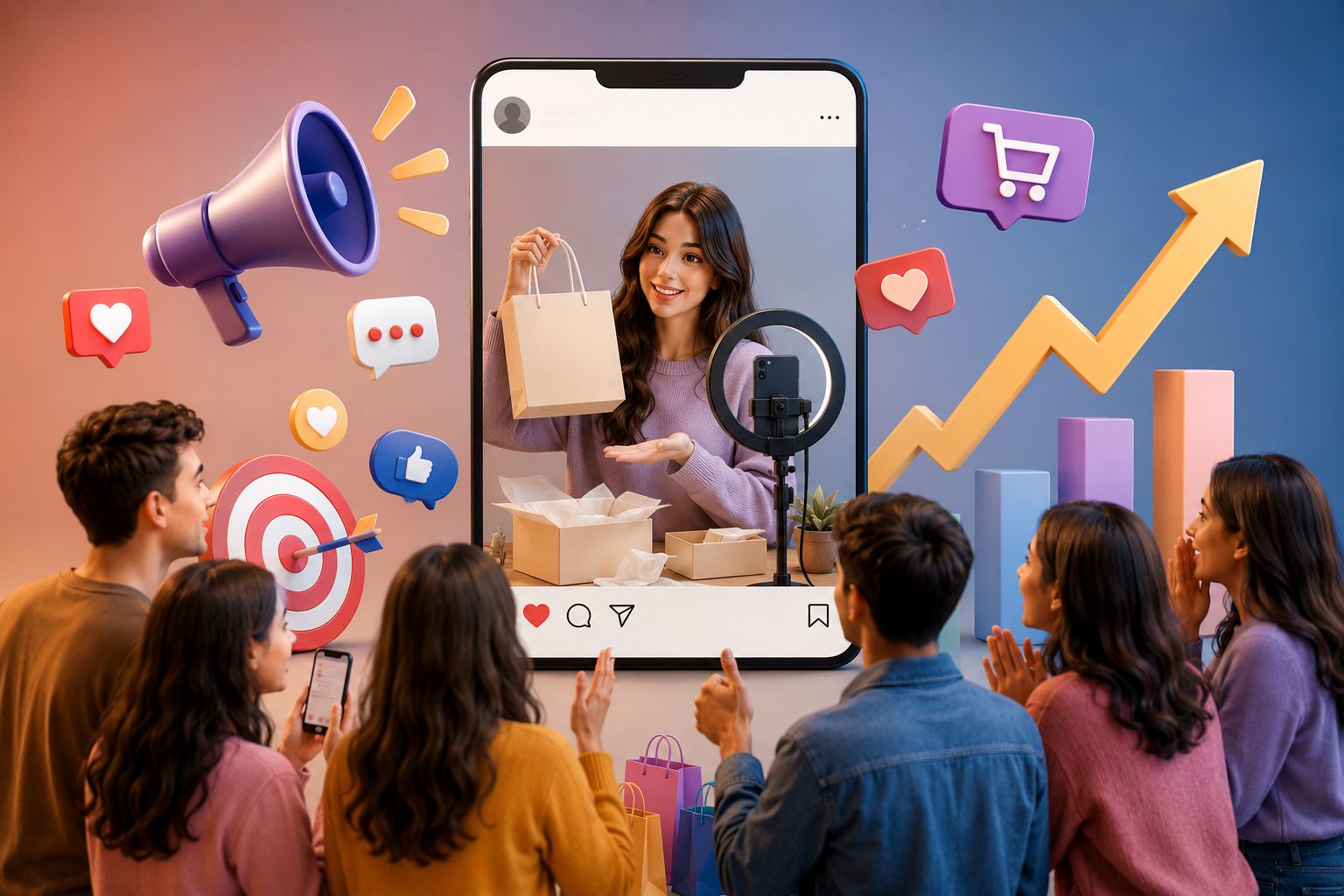
In today’s digital world, influencer marketing has become one of the most powerful tools for promoting brands. Social media platforms such as Instagram, YouTube, Facebook, and TikTok have given rise to influencers who have large and engaged audiences. These influencers create content, share experiences, and recommend products to their followers. As consumers increasingly rely on online recommendations, brands are partnering with influencers to reach potential customers more effectively.
Influencer marketing is a strategy where businesses collaborate with individuals who have a strong online presence to promote their products or services. This marketing approach has transformed how brands communicate with consumers and build trust in the marketplace.
What Is Influencer Marketing?
Influencer marketing involves working with content creators who can influence the purchasing decisions of their followers. Influencers may be celebrities, industry experts, bloggers, vloggers, or social media personalities. Their followers trust their opinions and recommendations, making them valuable partners for brands.
Unlike traditional advertising, influencer marketing feels more personal and authentic. Instead of directly promoting products through commercials, brands use influencers to showcase products naturally through reviews, tutorials, and daily-life content.
Building Brand Awareness
One of the biggest impacts of influencer marketing is increased brand awareness. Influencers have dedicated audiences that regularly engage with their content. When they introduce a product or service, thousands or even millions of people become aware of the brand.
For example, when a beauty influencer shares a skincare product in a video, followers who may not have heard of the brand before are introduced to it. This exposure helps businesses expand their reach and attract new customers.
Brand awareness is especially important for startups and small businesses that may not have large advertising budgets. Influencer marketing allows them to gain visibility quickly and effectively.
Creating Trust and Credibility
Trust is a key factor in consumer decision-making. People are more likely to buy products recommended by someone they trust than from traditional advertisements.
Influencers often build strong relationships with their followers by sharing honest opinions and personal experiences. When they recommend a product, their audience views it as a genuine suggestion rather than a sales pitch.
This trust transfers to the brand being promoted. As a result, consumers become more confident about trying new products and services. Brands that collaborate with trustworthy influencers can significantly improve their credibility and reputation.
Increasing Customer Engagement
Influencer marketing encourages interaction between brands and consumers. Influencers create engaging content such as videos, live streams, polls, stories, and challenges that motivate followers to participate.
High engagement levels help brands connect with audiences on a deeper level. Followers may comment on posts, ask questions, share opinions, or tag friends. These interactions increase visibility and create a sense of community around the brand.
Engaged audiences are more likely to remember the brand and consider its products when making purchasing decisions.
Driving Sales and Conversions
One of the primary goals of marketing is to increase sales, and influencer marketing has proven highly effective in achieving this objective. Influencers can persuade followers to purchase products by demonstrating their benefits and sharing personal experiences.
Many brands provide influencers with discount codes, affiliate links, or special promotions. These incentives encourage followers to make purchases while allowing businesses to track campaign performance.
Studies have shown that consumers often trust influencer recommendations more than traditional advertisements, leading to higher conversion rates and increased revenue.
Reaching Target Audiences
A major advantage of influencer marketing is precise audience targeting. Different influencers attract different types of followers based on their interests, age groups, lifestyles, and professions.
For example:
* Fitness influencers attract health-conscious audiences.
* Technology influencers appeal to gadget enthusiasts.
* Fashion influencers connect with style-conscious consumers.
* Food influencers reach people interested in cooking and dining.
Brands can choose influencers whose audiences match their target customers. This ensures marketing messages reach people who are genuinely interested in the products being promoted.
Enhancing Brand Image
Influencers can shape how consumers perceive a brand. By partnering with influencers who align with their values and identity, brands can strengthen their image and positioning.
For instance, a sustainable clothing company may collaborate with eco-conscious influencers who promote environmental awareness. Such partnerships reinforce the brand’s commitment to sustainability and attract like-minded consumers.
A positive brand image helps businesses stand out from competitors and build long-term customer loyalty.
Cost-Effective Marketing Strategy
Compared to traditional advertising methods such as television commercials or print advertisements, influencer marketing can be more cost-effective. Brands can choose influencers based on their budget and campaign goals.
Micro-influencers, who have smaller but highly engaged audiences, often provide excellent results at a lower cost. Their followers tend to trust them deeply, resulting in strong engagement and conversion rates.
This flexibility makes influencer marketing accessible to businesses of all sizes, from startups to multinational corporations.
Challenges of Influencer Marketing
Despite its benefits, influencer marketing also presents challenges. Brands must carefully select influencers to ensure authenticity and credibility. Partnering with influencers who have fake followers or poor reputations can damage a brand’s image.
Another challenge is maintaining transparency. Consumers expect influencers to disclose sponsored content. Failure to do so can reduce trust and lead to negative reactions.
Additionally, measuring campaign success can sometimes be difficult. Brands must track metrics such as engagement, reach, website traffic, and sales to evaluate effectiveness.
The Future of Influencer Marketing
Influencer marketing continues to evolve as social media platforms grow and consumer behavior changes. Short-form videos, live streaming, and user-generated content are becoming increasingly popular.
Artificial intelligence and data analytics are helping brands identify suitable influencers and measure campaign performance more accurately. The rise of niche influencers is also creating opportunities for businesses to reach highly specific audiences.
As digital marketing advances, influencer marketing is expected to remain a vital strategy for building brand awareness, trust, and customer engagement.
Conclusion
Influencer marketing has revolutionized the way brands connect with consumers. By leveraging the trust and influence of content creators, businesses can increase brand awareness, improve credibility, engage audiences, and drive sales. Its ability to target specific audiences and create authentic connections makes it one of the most effective digital marketing strategies available today.
While challenges exist, careful planning and collaboration with the right influencers can deliver significant benefits. As social media continues to shape consumer behavior, influencer marketing will play an increasingly important role in helping brands achieve their marketing goals and build lasting relationships with customers.