

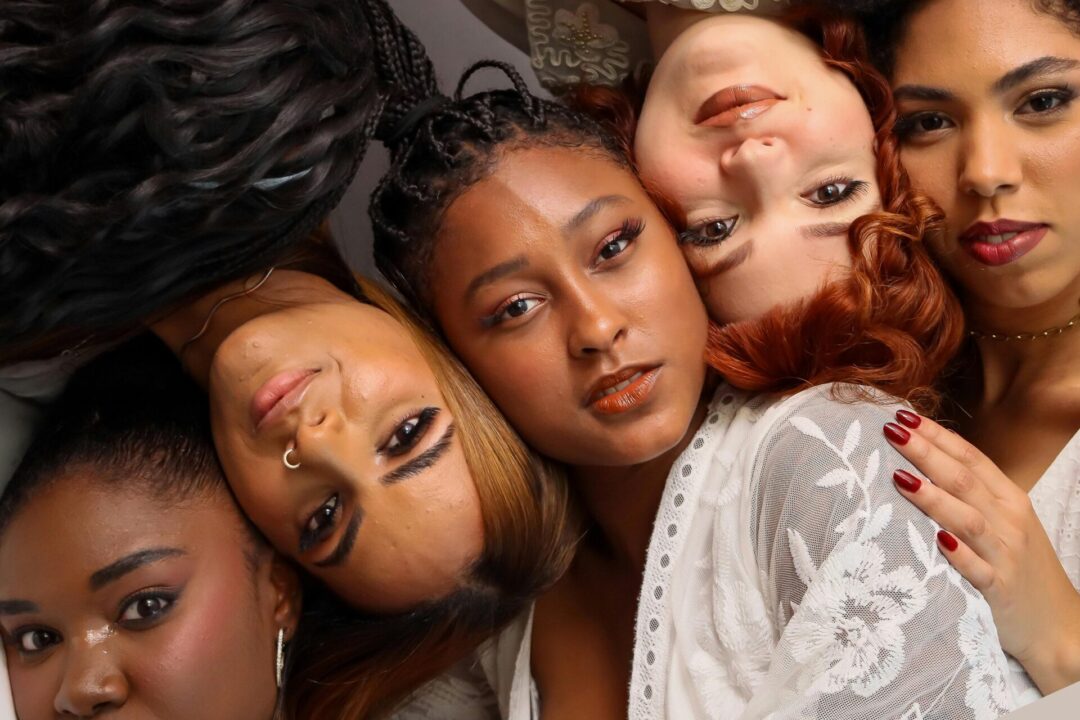
Redefining Beauty Standards and Media Representation of Women
Media has shaped how women see themselves for decades. Magazines, films, television shows, and social media often promote a narrow image of beauty. These images usually favor people who are thin, young, fair-skinned, and flawless. When audiences see the same standard repeatedly, they may believe it is the only acceptable form of beauty.
Today, more people are challenging these outdated ideas. They are calling for greater diversity and more realistic representation in media.
# The Problem with Traditional Beauty Standards
Beauty standards are not natural or permanent. Society creates and changes them over time. These standards often favor certain body types, skin tones, facial features, and hair textures while excluding others.
A global study commissioned by Dove found that many people associate beauty with limited ideas about body size, shape, skin color, and hair type. As a result, many women feel they do not meet society’s expectations, even when there is nothing wrong with their appearance.These standards affect more than fashion trends. They can influence confidence, mental health, and daily behavior.
# The Impact on Women’s Self-Esteem
Research shows that body image concerns affect millions of women worldwide. Studies suggest that nearly 70% of adult women have avoided activities such as exercising, attending social events, or participating in school because they felt uncomfortable about their bodies.
Another large study involving more than 50,000 women found that 60% felt overweight, while 20% considered themselves unattractive. These findings highlight the emotional impact of unrealistic beauty ideals.
Low self-esteem can limit opportunities and reduce overall well-being. Many women spend significant time comparing themselves to standards that are difficult or impossible to achieve.
# How Media Reinforces Beauty Ideals
Media plays a major role in shaping public perceptions of beauty. Television programs, films, advertisements, and news reports often present limited representations of women.
A recent academic study found that women appeared in only a small percentage of news stories and rarely served as expert sources. In film, women continue to receive fewer leading roles in action and adventure genres.
When media includes women, it often focuses on appearance rather than achievements, leadership, or expertise. This narrow portrayal can influence how audiences value women in society.
# Representation in the Fashion Industry
The fashion industry has made progress in recent years. More brands now feature models from different backgrounds and body types. However, challenges remain.
A study that analyzed nearly 800,000 fashion images from 2000 to 2024 found greater diversity in fashion campaigns. Despite this improvement, the average body size of professional models changed very little during that period.
Many brands also label models as “plus-size” even when they remain smaller than the average woman. As a result, many consumers still struggle to see people who look like them in fashion media.
# Social Media and Unrealistic Comparisons
Social media has added a new dimension to body image concerns. Platforms focus heavily on photos and videos, exposing users to idealized images every day.
Research shows that frequent exposure to thin and toned body ideals can increase body dissatisfaction and negative emotions. These effects become stronger when people compare themselves to the content they see online.
Filters and editing tools make the situation even more difficult. Many images present altered versions of reality, yet viewers may treat them as authentic. This can create unrealistic expectations and unhealthy comparisons.
# Why Redefining Beauty Standards Matters
When media celebrates only one type of beauty, it sends a harmful message. It suggests that other appearances are less valuable or desirable.
This issue affects more than self-image. Beauty standards can influence hiring decisions, social interactions, relationships, and public perceptions of women.
Diverse representation promotes fairness and inclusion. It helps people feel seen and respected regardless of their appearance. It also encourages a broader understanding of beauty.
Fortunately, attitudes are beginning to change. Consumers increasingly support brands, filmmakers, and influencers who showcase authentic diversity. Campaigns that feature unedited images and real people often receive positive responses.
# What Can Be Done?
Meaningful change requires action from several groups.
#Media and Advertising Companies
Media organizations should include a wider range of body types, skin tones, ages, and abilities in everyday content. Diversity should become a normal practice rather than a temporary marketing strategy.
#Governments and Policymakers
Policymakers can support healthier industry standards. Some countries and cities have introduced regulations that promote model health and discourage unhealthy body expectations.
# Social Media Platforms
Platforms can improve transparency around edited images. Clear labels can help users understand when photos have been altered.
# Parents and Educators
Parents and teachers can help young people develop media literacy skills. They can encourage children to question unrealistic images and value qualities beyond physical appearance.
# Individual Users
People can follow creators with diverse appearances and backgrounds. They can also become more aware of harmful comparison habits and reduce exposure to content that negatively affects their self-esteem.
Redefining beauty standards does not mean rejecting beauty. It means expanding the definition so it reflects the diversity of real people.Beauty exists in all skin tones, body shapes, ages, and abilities. When media reflects this reality, it can improve self-esteem and create a more inclusive society. More balanced representation benefits women and helps build a fairer world for everyone.
—