

Introduction
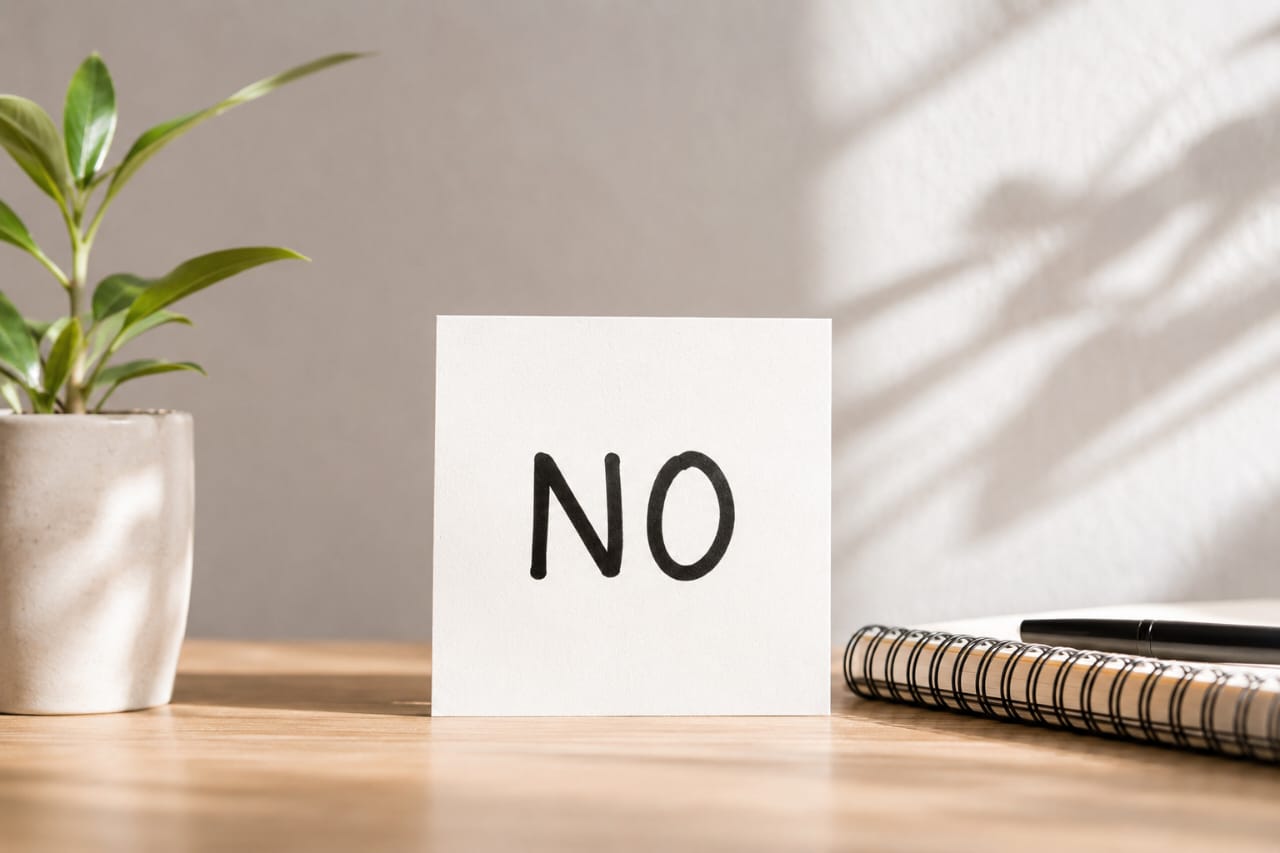
It is hard for many people to say NO to others. Many times we think that it’s better to accept something than to offend, disappoint, or cause disagreement. But repeating “Yes” often can cause stress, exhaustion and frustration. Saying “no” is a key life skill which can help us to safeguard our time, energy and mental health. “NO” is not rude or selfish, it’s an understanding of our limits and respecting our needs. Saying ‘No’ is an art that enables us to live a more balanced and meaningful life.
What makes it so difficult for people to say no?
People don’t like to say no for many reasons. Some worry about being rejected or criticized, but others are worried about being judged negatively. There are many people who wish to please and like all. Consequently, they accept responsibilities even if they are over-extended or uneasy.
Social pressure is also involved. It is hard to say no to others when they are asking us for help. It’s hard to turn down help from friends, family, co-workers, and classmates. The word “Yes” can become a habit over time, and be difficult to get out of your system.
Saying No is important
No is extremely important because we have a limited amount of time and energy. If we accept all requests, we may find ourselves overwhelmed and not able to focus our attention on our duties. The ability to say NO enables us to prioritize what is important.
It also helps in enhancing our mental health. An excessive need to please others can lead to stress and anxiety. Establishing boundaries lessens the pressure and allows us to feel more in control of our lives.
Moreover, when we say “No,” we can take more time for our personal goals, studies, work, and relationships. Its purpose is to support decision-making which is based on values and not fear/guilt.
The advantages of saying no include:
1. Better Time Management
We have more time to do what matters when we say “no” to what doesn’t. This keeps us efficient and on track.
2. Reduced Stress
It can be hard to keep up with all the tasks. The refusal to say “No” can cause burn-out and emotional imbalance.
3. Increased Self-Respect
When we are aware of our own limits, we are also being confident. It helps others to respect our boundaries too.
4. Improved Relationships
Communication makes relationships more solid. People like it when you are sincere than when you make false promises or only half commitments.
5. Improved Focus on Goals
If we decline distractions and unwanted commitments, we can focus on our goals and objectives.
The Art of Polite Rejection.
Many feel that “No” is a harsh expression and they think that it shouldn’t be said that way. But it can be said respectfully and kindly. Here are some easy tips:
– “Thank you for asking, I can’t do it now.
Thank you, but I’m busy.
Sorry, I can’t help you this time.
– “This is not a time now that I can do this.
Being polite while remaining firm is the key. There is no need to give lengthy explanations or make excuses.
Building Confidence Through Saying “NO”
Starting to say “No” can be a bit difficult at first. There could be a sense of guilt because we don’t do that to ourselves. But it’s crucial to be aware that we can’t be of help to everyone, always.
When we refuse to do one, we’re saying “Yes” to something else that’s more valuable to us, like to our health, to our education, to our family, or to our development. There must be healthy boundaries in order for there to be balance in life.
As one gets more practice the guilt decreases and confidence increases. We are taught that not every request is a desirable one to accept – it’s about managing responsibly.
Being kind and being a people pleaser are two distinctly different things. Being kind is not being a people pleaser.
In being kind, we do what we can to help others without hurting ourselves. Accepting the pleaser, however, is giving up on our needs for the approval of others.
A kind person is aware of when to intervene and when to go back. The people pleaser is someone who tends to say yes to anything even if it makes him/her stressed or unhappy. It’s important to learn these differences so that you can have healthy relationships with others and take care of your self-respect.
How to Do It: Practical tips to develop a habit for saying no.How to Do It: Practical tips to develop a habit for saying no.
– Take a moment before responding to requests.
Evaluate if you have enough time and energy.
Remember to speak the truth about your own weakness.
Don’t promise more than you can deliver.
– Say “No” in little situations first.
– Keep in mind that your needs are important as well.
As with anything, the more you practice, the easier it will be to say “No”.
Conclusion
Saying “No” is a critical skill that is essential to protecting our time, energy and mental health. Initially it might be challenging, but it will help us to lead a more balanced and fulfilling life if we learn to set healthy boundaries. By saying “no” you are not being selfish, you are being self-respecting and good decision makers. Knowing our own boundaries, and communicating them is the key to being able to concentrate on what really matters and develop healthier relationships with others and ourselves.