
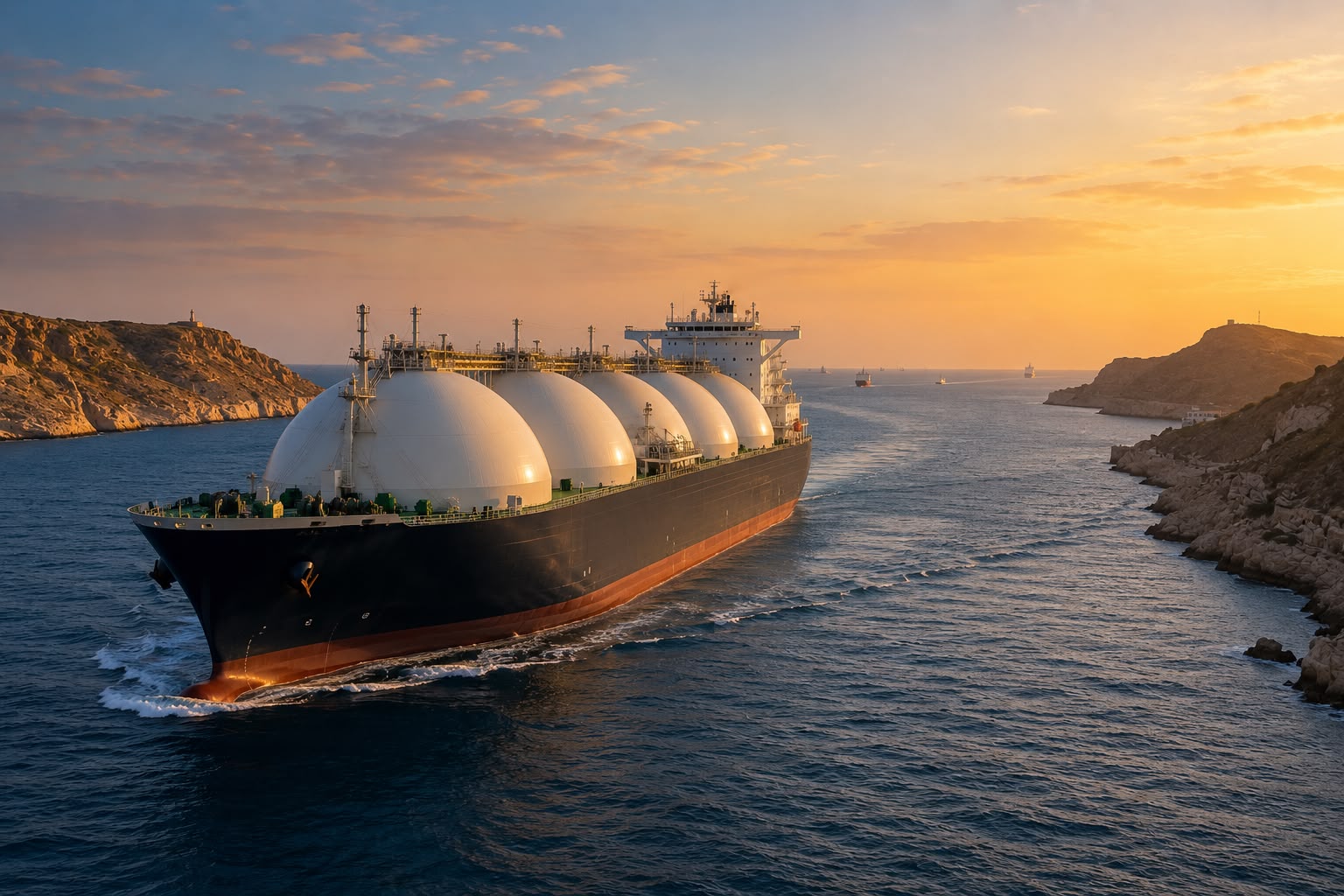
A new US-Iran agreement coming into force has triggered early signs of de-escalation in the wider regional tensions, with reports indicating that an LNG tanker has begun sailing toward the Strait of Hormuz. The development marks one of the first major movements of energy shipments following months of disruption in the Gulf region.
According to maritime tracking updates, the LNG vessel is navigating toward or through the Strait of Hormuz, a critical global energy chokepoint through which a significant portion of the world’s oil and liquefied natural gas exports pass. Any disruption in this narrow waterway has historically had immediate implications for global energy supply chains and price stability.
The implementation of the US-Iran agreement has generated cautious optimism in international markets, with early indications suggesting a gradual resumption of commercial shipping activity in previously tense maritime zones. The agreement is being described by officials and analysts as part of a broader framework aimed at reducing hostilities and stabilising navigation routes in the region.
The Strait of Hormuz has been a focal point of geopolitical tensions involving the United States, Iran, and regional actors, including Israel, particularly amid earlier escalations that saw reported attacks on energy infrastructure and disruptions to commercial shipping lanes. These incidents had contributed to heightened insurance costs, rerouted vessels, and increased naval presence in the Gulf.
While full details of the agreement have not been publicly disclosed, it is understood to involve phased implementation measures designed to restore maritime security and reduce the risk of confrontation. Shipping authorities are closely monitoring compliance, especially as commercial vessels begin to re-enter previously sensitive zones.
Energy market analysts have noted that even limited restoration of LNG and oil transport through the Strait of Hormuz could have a stabilising effect on global fuel prices and supply expectations. However, they also caution that the situation remains fragile, with shipping confidence dependent on sustained diplomatic adherence and security guarantees.
Initial reactions from maritime and logistics stakeholders suggest cautious optimism. While some shipping companies are reportedly reassessing routes through the Gulf, insurers and operators remain alert to potential risks, including the possibility of renewed tensions or isolated incidents that could disrupt operations.
The resumption of LNG movement is being closely watched as a key indicator of whether the agreement will hold in practice. Analysts emphasise that any breakdown in trust or enforcement could quickly reverse gains in maritime stability.
As the situation develops, attention remains focused on the Strait of Hormuz, where even small shifts in shipping activity are seen as significant signals for global energy markets. For now, the agreement represents a tentative step toward de-escalation, though its long-term impact will depend on continued diplomatic engagement and on-the-ground stability in the region.